Thank you for reading our post, please rate this article at the end.
Reading Time: 5 minutesLast Updated on November 9, 2026 by Paul Clayton
There is no single fly fishing season: you can fly fish any time the species you want is open to fishing and actively feeding. For trout, the best fly fishing season is usually spring and fall, when water is cool and insect hatches are strong, with summer mornings and evenings also productive. Bass and carp are best from late spring through summer, pike after ice-out in spring and again in fall, and salmon during their local runs from late spring into fall.
Below we explain the legal side of fishing seasons and the best times to fly fish for the most popular species.
Table of Contents
Key Takeaways
| Species | Best Fly Fishing Season | Notes |
|---|---|---|
| Trout | Spring and fall; summer mornings and evenings | Avoid playing fish in very warm water |
| Grayling | Summer in North America; autumn and winter in Europe | Need cold, clean water |
| Salmon | During local runs, roughly late spring to fall | Seasons are tightly regulated |
| Pike | Spring after ice-out and fall | Use a wire or heavy bite tippet |
| Bass | Late spring through early fall | Pre-spawn and summer topwater are prime |
| Carp | Late spring and summer | Sight fishing on warm flats |

When Is the Fly Fishing Season?
Fly fishing is a technique, not a species, so the “fly fishing season” is really two questions: when is it legal to fish for your target species where you are, and when is that species most active and willing to take a fly? Answer both and you can fly fish nearly year-round by switching species as the seasons change.
The Legal Side of Fishing Seasons
Every state and country regulates fishing to protect fish populations. Rules can include:
- Open and closed seasons for certain species or waters
- Daily bag and possession limits
- Minimum, maximum or slot length limits
- Gear rules, such as fly-fishing-only, artificial-lures-only or barbless-hook waters
- Catch-and-release-only seasons on some trout streams
Many trout streams are open all year, while others close for spawning. Salmon and steelhead seasons are often set water by water. Always check your state wildlife agency’s current regulations and buy the right license; our fishing license questions and requirements guide covers the basics.

Best Times to Fly Fish by Species
Trout
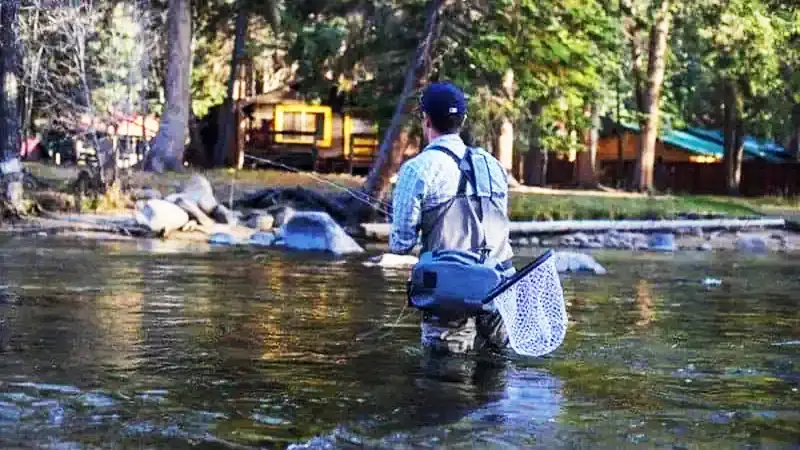
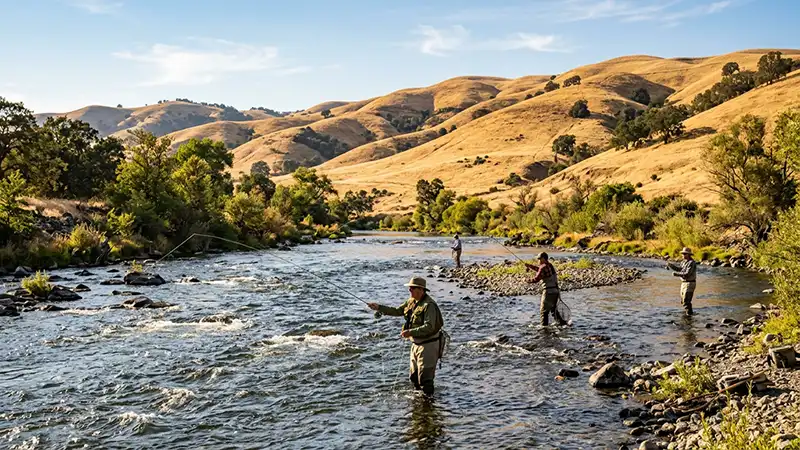
Trout are cold-water fish that feed best when water temperatures are roughly in the 50s to low 60s °F. That makes spring and fall the prime fly fishing seasons, with strong mayfly, caddis and stonefly hatches. In summer, fish early mornings and evenings or head to higher elevations and tailwaters. Many anglers stop fishing for trout when water reaches about 68°F, because warm water is stressful and can kill released fish. Winter can be good on tailwaters and spring creeks with midges and nymphs. Learn more in our beginner’s guide to trout fishing and what size hook for trout.
Grayling
Arctic grayling in Alaska, Canada and a few western U.S. waters are usually fished in summer, when lakes and rivers are ice-free and insects are hatching. In Europe, grayling are a classic autumn and winter fly fishing target after trout seasons close.
Salmon
Salmon fly fishing follows the runs. On the Pacific coast, king (Chinook) salmon tend to run earlier, sockeye in midsummer, and coho (silver) salmon later in summer and fall. Great Lakes salmon run up tributaries mainly in late summer and fall. Seasons and limits vary by river and can change in-season, so check current rules before you go.
Pike
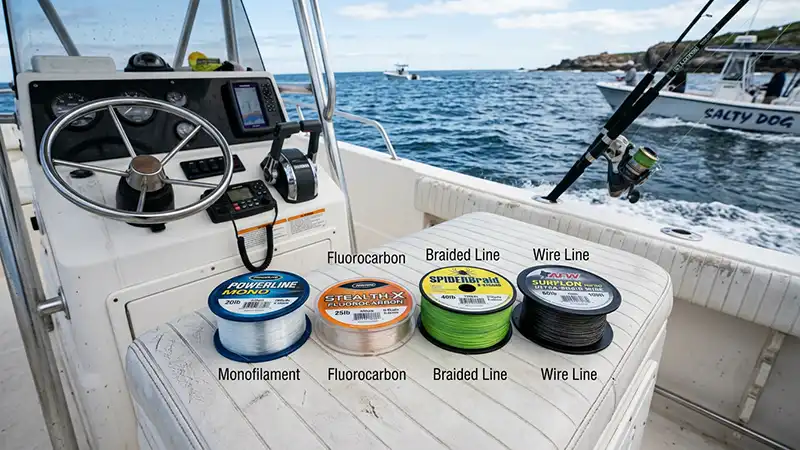
Northern pike are best on the fly in spring, soon after ice-out when they move into warm, shallow bays, and again in fall when they feed heavily before winter. In midsummer, larger pike often move deeper, so fish early and late in the day. Use a wire or heavy fluorocarbon bite tippet to avoid bite-offs, and check whether your state has a spring closure.
Bass
Largemouth and smallmouth bass are a great fly rod target from late spring through early fall. The pre-spawn period, when bass move shallow to feed, is excellent, and summer evenings are perfect for poppers and topwater flies. Some states restrict bass harvest or fishing during the spawn. See our beginner’s guide to bass fishing for more tips.
Carp
Carp can be caught much of the year, but fly fishing for them is best from late spring through summer, when they cruise and feed on warm, shallow flats where you can sight fish. Approach quietly and use small nymph-style flies.

Tips for Planning Your Fly Fishing Year
- Switch species with the seasons: trout in spring and fall, bass and carp in summer, pike in early spring and fall.
- Watch water temperatures and flows, not just the calendar.
- Check hatch charts from local fly shops for the waters you fish.
- For stillwater fly fishing, a fishing float tube gets you to fish shore anglers can’t reach.
- Practice catch and release carefully: keep fish wet, use barbless hooks and release quickly.
Fly Fishing Season FAQ
What month is best for fly fishing?
For trout in most of the U.S., May and June and again September and October are often the best months, thanks to cool water and good insect hatches. The best month for other species depends on local conditions.
Can you fly fish in winter?
Yes. Tailwater rivers below dams and spring-fed creeks stay ice-free and hold active trout all winter. Fish the warmest part of the day with small nymphs and midges.
Is summer a good time to fly fish for trout?
It can be, especially early and late in the day and in cold mountain or tailwater streams. Avoid fishing for trout when water temperatures climb near 68°F or higher.
Do I need a special license for fly fishing?
Usually you just need a standard fishing license for the state, plus any required stamps such as a trout or salmon stamp. Some waters have fly-fishing-only rules but no separate license.
When does trout season open?
It depends on your state and the specific water. Many streams are open all year, while others open in spring. Check your state wildlife agency’s current regulations.
Final Thoughts
The fly fishing season is open whenever your target species is legal to fish and actively feeding. Focus on trout in the cool months of spring and fall, switch to bass, carp and pike as waters warm or cool, and always check local seasons and limits. With a little planning, you can fly fish all year long.
Resources
- U.S. Fish and Wildlife Service – Fishing Resources
- Keep Fish Wet – Catch and Release Best Practices
- Trout Unlimited – Fishing in Warm Water Temperatures
- Alaska Department of Fish and Game – Salmon Run Timing
- State wildlife agency fishing regulations