

Washington RV Rental: Rainforests, Volcanoes and the Pacific Coast
Few states pack as much variety into a road trip as Washington. In a single week you can walk through the mossy rainforests of the Olympic Peninsula, camp beneath the glaciers of Mount Rainier, cross Puget Sound by ferry, and drive over the Cascades to sunny wine country and the rolling hills of the Palouse. Three national parks, more than 100 state parks and millions of acres of national forest give you endless places to park an RV.
Washington also asks a bit more of RV drivers than most states. Mountain passes require tire chains in winter, ferries charge by vehicle length, many national park campgrounds limit rig size, and the best campsites book months ahead. This guide covers where to rent, where to go, where to camp and how to drive the Evergreen State with confidence.
Browse Washington RV rentals on Outdoorsy
Washington RV Rental at a Glance
| Main pickup areas | Seattle and Tacoma, Vancouver (Portland metro), Spokane, Bellingham, the Tri-Cities |
| Top destinations | Olympic National Park, Mount Rainier, North Cascades, the San Juan Islands, Long Beach Peninsula, Leavenworth |
| State park camping | About $10–$15 for primitive sites, $20–$45 for standard sites and $35–$60 with hookups, depending on season |
| Booking window | State park sites can be reserved up to 9 months ahead |
| Best season | July through September for mountains; the coast and east side are good from late spring to fall |
| Watch for | Winter chain rules on mountain passes, ferry fares by length, campground length limits, electronic tolls |
Sources: Washington State Parks, Washington State Ferries. Fees are rounded estimates.
Best Places to Pick Up an RV in Washington
Seattle and Tacoma
The Puget Sound region has the most rentals in the state, and Seattle-Tacoma International Airport makes fly-in trips easy. Olympic National Park, Mount Rainier and the San Juan Islands ferry are all within a few hours. Pick up in the suburbs if you can to avoid city traffic.
Vancouver, Washington
Just across the Columbia River from Portland, Vancouver is ideal for trips to the Columbia River Gorge, Mount St. Helens and the Long Beach Peninsula. The area also pairs perfectly with an Oregon RV rental trip.
Spokane
Eastern Washington’s largest city is the gateway to the lakes of the Inland Northwest, the Palouse and northern Idaho. It’s a good choice if you’d rather skip the west side’s rain. See our Idaho RV rental guide for cross-border ideas.
Bellingham and the Tri-Cities
Bellingham sits near Mount Baker, the North Cascades and the San Juan ferry in Anacortes. The Tri-Cities (Kennewick, Pasco and Richland) are in the heart of sunny wine country along the Columbia River.
Washington’s Best RV Road Trips
The Olympic Peninsula Loop
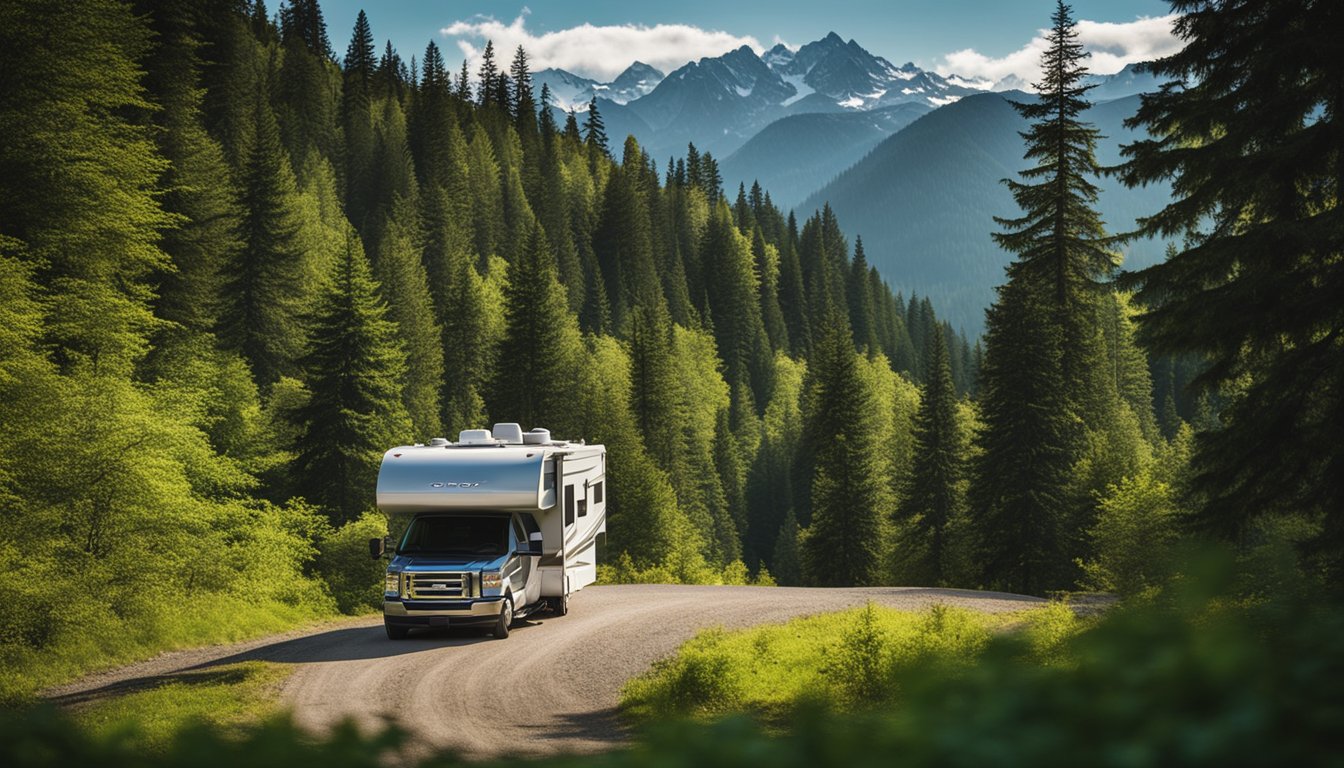
US-101 circles Olympic National Park, connecting the Hoh Rain Forest, Lake Crescent, Hurricane Ridge, the hot springs valley of Sol Duc and wild beaches like Ruby Beach and Rialto. Plan at least four or five days. Port Angeles, Forks and Sequim have services and private RV parks, and Kalaloch is the park’s main oceanside campground.
Mount Rainier
The state’s iconic volcano has wildflower meadows at Paradise, old-growth forest at Ohanapecosh and sweeping views from Sunrise. The park’s campgrounds have no hookups and limit RV length, so larger rigs may do better at private parks or national forest campgrounds outside the park. Sunrise Road and parts of the park close in winter.
North Cascades Highway
State Route 20 crosses some of the most dramatic mountain scenery in the Lower 48, passing the turquoise water of Diablo Lake before dropping into the Old West-themed town of Winthrop. The highway closes for the winter, usually from late fall to spring, so check WSDOT before you go.
The Coast and the Islands
The Long Beach Peninsula and Cape Disappointment State Park offer miles of beach and lighthouses at the mouth of the Columbia River. To the north, Deception Pass State Park is one of the most visited parks in the state, and the ferry from Anacortes carries RVs to the San Juan Islands.
East of the Cascades
Head over Stevens Pass to the Bavarian-style village of Leavenworth, continue to Lake Chelan for warm summer swimming, or tour the wineries around Walla Walla and the Yakima Valley. The rolling wheat fields of the Palouse are especially beautiful in early summer.
Where to Camp in Your Rental
Washington State Parks
Washington’s state parks include some of the best camping on the coast, the islands and the lakes. Sites can be booked up to nine months in advance, and popular parks like Deception Pass, Cape Disappointment and Lake Chelan fill quickly for summer.
Fees vary by season and site type. Expect about $10–$15 a night for primitive sites, $20–$45 for standard sites and $35–$60 for sites with water and electric or full hookups. Summer is the most expensive season.
Source: Washington State Parks
National Parks and National Forests
Olympic, Mount Rainier and North Cascades national parks have scenic campgrounds, but most have no hookups and many limit vehicle length. Check the limit before you book a large RV. National forests such as Olympic, Gifford Pinchot, Mount Baker-Snoqualmie and Okanogan-Wenatchee offer more campgrounds, often in quieter settings.
Private RV Parks
Private campgrounds near the national parks, along the coast and around the cities offer full hookups, laundry and Wi-Fi. They’re the best choice for big rigs or long stays.
Free and Low-Cost Camping
Dispersed camping is allowed in much of Washington’s national forest land, and state Department of Natural Resources lands offer more free or low-cost sites, though a Discover Pass is usually required. Learn more in our guide to finding free and low-cost campsites.
Driving an RV in Washington
Mountain Passes and Chains
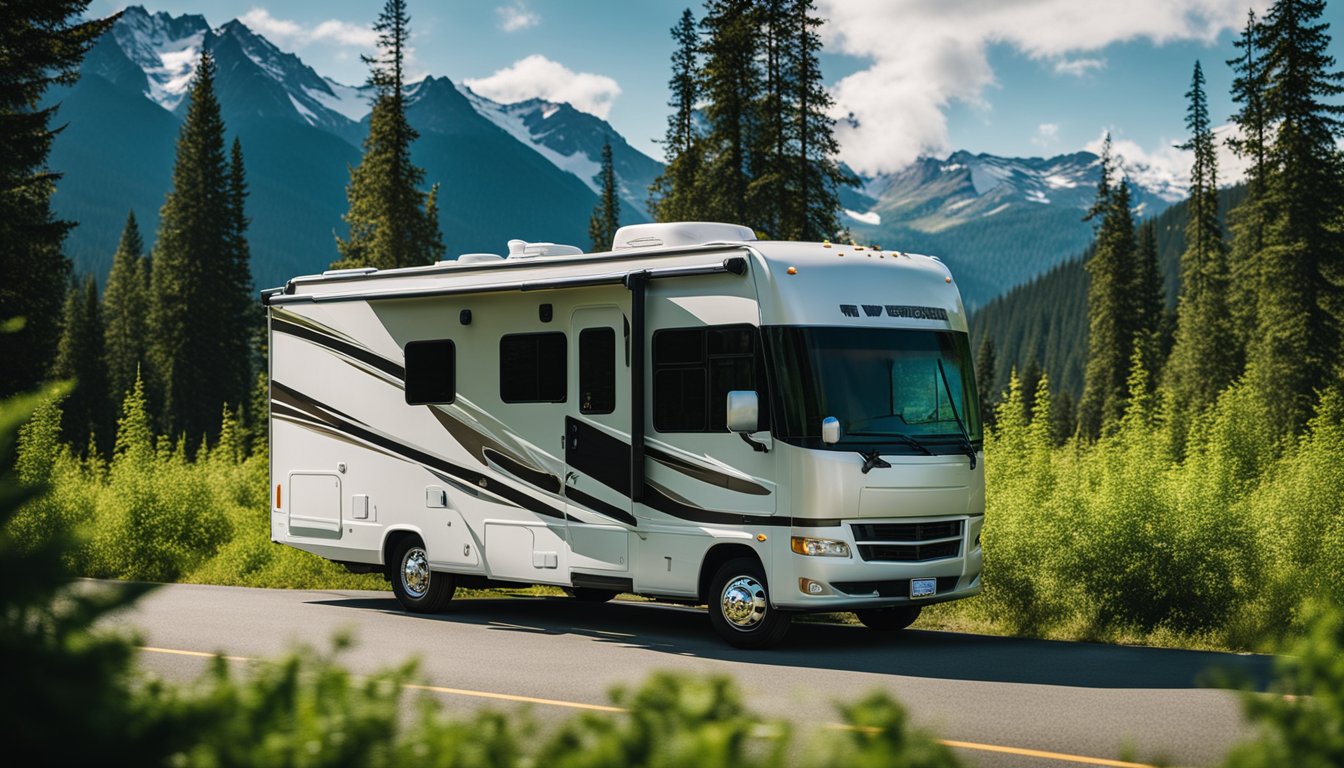
Snoqualmie Pass (I-90), Stevens Pass (US-2), White Pass (US-12) and other mountain routes can see heavy snow from late fall into spring. From November 1 through April 1, vehicles over 10,000 pounds gross weight, which includes many motorhomes, must carry tire chains on designated mountain routes, and chains can be required for all vehicles when conditions are bad. Check WSDOT pass reports before every crossing.
Source: WSDOT chain requirements
Taking an RV on a Ferry
Washington State Ferries carry RVs, but fares are based on vehicle length, and anything wider than 8 feet 6 inches pays double. Reservations are available on the Anacortes–San Juan Islands and Port Townsend–Coupeville routes and are strongly recommended in summer. Other routes are first come, first served, so arrive early.
Source: Washington State Ferries
More Washington Driving Tips
- Know the tolls. The SR 520 bridge, the SR 99 tunnel in Seattle and the Tacoma Narrows Bridge use electronic tolling. Ask the owner whether the rental has a Good To Go pass or how pay-by-mail bills will be handled.
- Avoid Seattle rush hour. I-5 and I-405 traffic can be brutal on weekday mornings and afternoons.
- Expect narrow, winding roads. Roads on the Olympic Peninsula and in the mountains are slow, so plan shorter driving days.
- Fuel up before remote stretches. Services are sparse on parts of US-101 and SR 20.
Traveling in the shoulder season? See our cold-weather RV camping tips and tips for new RV owners.
When to Rent an RV in Washington
- Summer (July to September): The driest, sunniest season and the only reliable time for high-country roads like Sunrise and the North Cascades Highway. Book early.
- Late Spring (May to June): Fewer crowds and green landscapes, though mountain snow can linger and the coast is often rainy.
- Fall (October): Beautiful color around Leavenworth and the mountains, but passes can see early snow.
- Winter (November to April): Rainy on the coast and snowy in the mountains. Many campgrounds close and chains may be required.
How Much Does an RV Rental Cost in Washington?
Rental prices depend on the type of RV, the season and how far ahead you book, and summer is the most expensive time to rent. Campervans and small towable trailers are usually the most affordable, while large Class A motorhomes cost the most. Check live Outdoorsy prices for your dates.
Beyond the nightly rate, budget for:
- Mileage and generator fees beyond the included allowance
- Insurance or a protection plan
- Delivery, cleaning and dump fees
- Campsite fees, which are highest in summer
- Ferry fares, tolls and fuel
Comparing platforms? Read our RVshare vs. Outdoorsy comparison. Planning to fish along the way? See our fishing license guide.
Frequently Asked Questions
How far ahead can I book a Washington state park campsite?
Up to nine months in advance. Popular parks fill quickly for summer weekends, so book as early as you can.
Can I take an RV on a Washington ferry?
Yes. Fares are based on vehicle length, and wide vehicles pay more. Reservations are available on the San Juan Islands and Port Townsend–Coupeville routes.
Do I need tire chains to drive an RV in Washington?
From November 1 through April 1, vehicles over 10,000 pounds gross weight must carry chains on designated mountain routes, and chains may be required for all vehicles in bad conditions.
Can I take a large RV into Mount Rainier or Olympic National Park?
Yes, but many park campgrounds limit RV length and have no hookups. Check campground limits, or stay at a private park or national forest campground nearby.
When is the best time to rent an RV in Washington?
July through September brings the best weather and full access to mountain roads. Late spring and early fall offer smaller crowds.


