Thank you for reading our post, please rate this article at the end.
Reading Time: 13 minutesLast Updated on January 26, 2026 by Paul Clayton
Table of Contents
What To Look For When Buying A Used RV?
Key Takeaways
-
- Determine Needs and Budget: Before starting the search, clearly define the type of RV needed and create a realistic budget that includes the purchase price plus anticipated extra costs such as repairs, tires, insurance, taxes, and licensing fees.
- Research is Critical: Buyers should research 3-4 preferred models, read online reviews, check market value, and investigate authorized dealers or sellers for safety.
- Check the History and Hire a Pro: Always purchase an RV history report (e.g., from RVChecks.com) to uncover past damage, rebuilds, or recalls. Crucially, hire a certified RV service technician to inspect all major systems (engine, chassis, appliances, plumbing, etc.) and estimate necessary repair costs.
- Thorough Inspection of the Vehicle:
- Water Damage is Key: Carefully check for subtle signs of water damage, such as dead thuds when tapping the exterior, stains/discolorations inside, and soft spots around windows, cabinets, and on the floor. Also, inspect all seals and the roof.
- Exterior/Tires/Engine: Inspect the exterior for dents and rust. Check tires for age codes, condition (cracks, bulges), and matching brands. Look for leaks, wear, and proper fluid levels in the engine.
- Appliances and Records: Test all appliances for an extended period (ideally 24-48 hours) and review the RV’s maintenance records to assess how well the previous owner cared for the vehicle.
- Final Steps: Take the RV for a test drive to check for unusual noises, brake responsiveness, and handling. Confirm the size, storage capacity, and compare all features against the original specifications before negotiating the final price based on any discovered defects.
- Age vs. Maintenance: The age of an RV is less important than its maintenance history; a well-cared-for older RV can be a better investment than a neglected newer one.
Frequently Asked Questions
Q: What are the biggest financial considerations beyond the purchase price of a used RV?
A: You must budget for several additional costs, including necessary repairs, potential tire replacement, insurance coverage, taxes, and licensing fees. The article stresses that a used RV often comes with further, sometimes hidden, expenses.
Q: Why is it so important to hire a professional technician before buying a used RV?
A: A qualified RV service technician is trained to detect faults in systems (gas, hydraulic, plumbing, engine, etc.) that an average buyer might miss. They can also provide an accurate estimate for any required repairs, which is crucial information for negotiating the final price.
Q: What are the key signs to look for when inspecting a used RV for water damage?
A: Water damage is difficult to detect but critical to find. Key signs include dead thuds when tapping the exterior, stains or discoloration on interior panels, and soft spots around windows, slide-outs, inside cabinets, and on the floor. You must also closely inspect all seals and the roof.
Q: Does the age of a used RV matter less than its maintenance history?
A: Yes. The article states that while age can indicate potential issues, the RV’s overall condition and maintenance history are more accurate indicators of its value and functionality. A meticulously cared-for older RV may be a better investment than a neglected newer one.
Q: Besides a technician’s advice, what research should a buyer conduct before making an offer?
A: Buyers should define their needs, research 3-4 specific models, read reviews from other owners, determine the fair market value of the RV, and purchase an RV history report (e.g., from RVChecks.com) to verify its past damage, rebuilt status, or stolen history.
- Today’s Best Pop-Up Campers
- New vs. Used RV: Navigating the Price Trends
- Can You Rent an RV for a Year?
A recreational vehicle can be the perfect companion when planning an adventurous trip. However, buying a used RV requires careful consideration and thorough inspection. Our comprehensive guide on what to look for when buying a used RV will ensure you make an informed decision and enjoy hassle-free journeys.
Buying a used RV will help you save a few bucks. If you want to dive into the RV world without going broke or spending so much money, a used RV is a good option.
RVs are valuable vehicles, and most RVs have a high resale value. Thus, finding a used RV to buy is not difficult, as many RVers sell their RV to get a better one or when they want to quit RVing.
What’s difficult is buying a good used RV that meets expectations and doesn’t bring you more problems.
In this article, we will tell you what to look out for when purchasing a used RV so you don’t make a mistake. Here are a few tips to guide you.
What To Look For When Buying A Used RV?
The first tip when buying a used RV is to determine the type of RV you want. Many people make the mistake of reviewing prices and settling for the cheapest option. The truth is, you don’t just need an RV; you need one that suits your needs.
If this isn’t your first time buying an RV, chances are you have an idea of what RV you want. If it’s your first time, you may need to evaluate your needs and determine which RV is best suited to your needs.
It could be the standard motorhomes, or a truck camper would be fine. It would be best to find out so you don’t buy an RV you don’t need.
How Much Can You Spend on a Used RV?

A used RV can still leave a dent in your pocket if you do not plan and budget for one. Your budget will depend on your financial responsibilities, as you do not want to buy an RV that will leave you broke.
After buying the RV, you will still need to make some repairs. A used RV comes with further expenses. You may need to change the tires and repair other RV parts.
Additional hidden costs may be incurred, so you must save money.
In addition to the money spent on buying the RV, you must obtain insurance coverage, pay taxes, and pay licensing fees. Some places charge additional fees for RV owners.
Thus, ensure you plan and budget for an RV before buying one.
Research is Key
When buying a used RV, you must activate your sixth sense and act with extra caution. This means you must confirm many things or hire someone to research.
You should start by identifying the right RV for you and develop a list of 3-4 models you want to buy.
Read reviews of your preferred RV online. You can avoid making a wrong purchase by learning from others’ experiences.
After doing this, you should check the prices of these RVs on the market, both new and used, to find the best deals.
After this, you can research the dealers or sellers of your preferred RV. Find out where they are and get as many details as possible on their RV title.
Find out the Market Value of Your Preferred RV
After identifying the RVs that meet your needs, research the fair market value of each. You can quickly get an estimate by entering the RV’s make, model, year, and other specifications on popular RV websites.
This will reveal the RV’s fair market value.
However, note that you can still bring the RV’s price down considerably. The market value should serve as a guide to know the RV’s worth and if it will be a good buy.
In the end, the amount you pay for the RV will depend on factors such as its condition at the time of purchase.
Buy from Authorised Dealers or Resellers

You can never be too careful when buying used items. Thus, it is advisable that you research thoroughly and only buy from authorized dealers and resellers.
A lot is at stake; you can lose all your money and get nothing. There’s a sort of protection you get when you buy from an authorized dealer.
Certain websites list used RVs for sale by dealers and individual owners. It’s safer to contact an authorized dealer through a trusted website.
Also, dealers in new RVs may sell one or more used RVs, so the best place to get a used RV is from an RV seller. If you must buy from unknown persons, be sure to perform a thorough inspection of the used RV.
Check the RV’s History
After you decide to buy a particular RV, you should check its history. You can purchase an RV history report on RVChecks.com for a fee.
A vehicle history will include information on whether the vehicle has ever been damaged, rebuilt, or stolen, as well as the manufacturer’s specifications and recall notices.
This will help you make a better decision, as the report will reveal some hidden defects the seller may try to conceal.
In addition, the vehicle details can be used to compare all other RVs you had in mind, and you can settle for the one with the least damage.
You are also better positioned to negotiate a reasonable price if you know all the defects.
Hire a Technician
One mistake most buyers make is attempting to close a transaction on their own and negotiate the delivery of the purchased item without seeking the advice and expertise of a professional.
You can avoid many mistakes and avoid buying a lemon by hiring a technician.
You will need a technician to inspect the used RV and provide a recommendation before you purchase it. A technician is better positioned to detect faults in the RV than you are.
RV service technicians are trained to inspect, diagnose, and repair recreational vehicles. Thus, a technician can discover defects in gas, hydraulic, appliance, plumbing, chassis, or towing systems.
Besides, if you plan to repair some items on the RV, you need a technician to estimate the repair costs so you can negotiate the price.
Check the Exterior
A used RV cannot be spotless or without any faults. However, the extent of wear and tear can help you negotiate a good deal, or you may opt for a better RV.
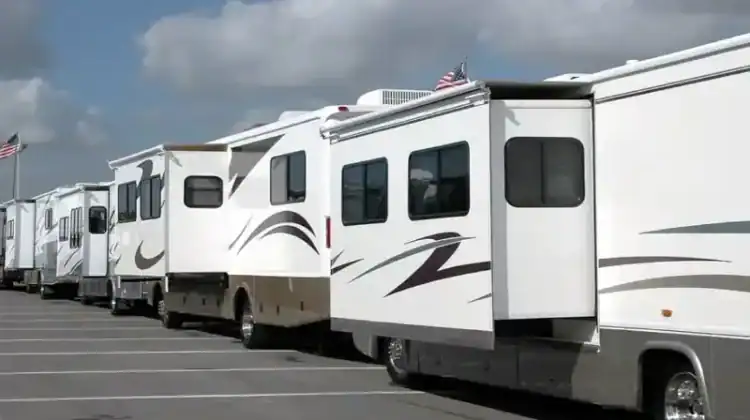
Thus, the exterior is the first thing you should check when buying a used RV. Inspecting the RV for dents, rust, and other external damage would be best.
Most exterior defects are easy to spot, though it’s advisable to conduct a thorough inspection. If you can, get someone else to help you check, as two pairs of eyes are better than one.
They may highlight defects you missed during inspection of the RV exteriors.
Check for Water Damage
Water damage is common in used RVs but challenging to detect. When checking for water damage in a used RV, you should start with the visible part —the exterior.
From the exterior, you can get an idea of the RV’s condition and how long it has been used. Most RVs are designed with aluminum or fiberglass siding.
These sidings protect the RV from harsh environmental factors and keep the interior temperature comfortable.
Fiberglass exteriors are generally preferable as they are more durable and provide better insulation than aluminum. However, fiberglass RVs are more expensive than aluminum RVs, so you can still opt for either, depending on your budget.
Before purchasing a used RV, inspect the exterior for water damage. You can do this by tapping gently on the exterior with a nickel. Listen as you tap for dead thuds. Also, look out for delaminations, scratches, and signs of fading.
You may not notice water damage on the outside of an aluminum-sided RV. So you need to inspect the interiors for water damage. Check the panels, cupboards, and slides to ensure no hidden leaks.
On the interior, you can detect water damage from stains and discolorations. Soft spots around windows, slideouts, inside cabinets, and on the floor are also signs of water damage.
Also, check hidden places, like underneath the RV and on the roof, if you can climb up. It would be best to inspect the windows, doors, and generally places with less surface area.

Inspect the Tires
Check the date code of the tires and sidewalls of the tires of the used RV you intend to buy. You need to know whether you need to replace the tires or have more time before returning them.
Also, check whether all the tires are from the same manufacturer or brand. If the tires are from different brands, the previous owners have replaced them.
Check for tread wear and tread depth. Inspect the spare tires to ensure they are in good condition, and verify that the proper jack and lug wrench are present. Finally, check for scuffing, cracks, or bulges on the tires.
Check the Seals
Seals are used to keep water out and prevent water damage. You should check the Seals to see if they are firm enough to keep water out. All the seals need to be inspected.
If most of the seals require resealing, the RV is likely to have suffered water damage. If you skip checking this, you may purchase a damaged RV with many leaking places.
You should examine the sealants on the roof to see if there are any tears on the roofing materials.
If you hire a technician, they can set up a seal tech machine to pressurize the interior and spray water on the roof to detect leaks. This is a faster way of inspecting the seals.
Check the Batteries
If the RV battery you intend to buy is not properly maintained, you might incur an additional cost to replace it. There are different types of RV batteries with varying maintenance requirements.
Lithium batteries, for instance, require less maintenance than other types.
Also, since recreational vehicles are often stored for long periods without being driven, the battery may discharge.
Thus, checking the batteries before purchasing a used RV is essential to determine if you need new batteries.
Inspect the Appliances
It’s essential to check every appliance in a used RV before buying the RV. These should be done for a long time. You will probably not notice any faults from turning on the appliances for a few seconds.
You can ask to observe and use the appliances for 24-48 hours to confirm they are working perfectly.
If you don’t think you can detect the faults by yourself, you can hire a qualified technician to inspect the appliances in the RV.
These appliances are expensive to replace, so you need to ensure they are in good condition and that the seller is willing to replace them or offer a substantial discount to cover the cost.
Check the Engine
The engine of an RV is an essential part. Without a functional engine, your motorhome might be an apartment. When checking the engine, look for any leaks.
It could be oil, coolant, or brake fluid leaks. Then check for tears and wear. Check the tension of all drive belts and the wiring for signs of burnt insulation.
Also, check all fluid levels to ensure they are topped up and the fluids are clean.
Check Maintenance Records
Most dealers will include a maintenance record in the documents shown to inquirers. Maintenance records cannot replace the need for a mechanic to inspect the RV, but they give the buyer a clue about how the RV was maintained.
From the maintenance records, you will know whether the previous driver was meticulous about RV maintenance or neglected it.
If you are not shown any maintenance records, you can ask the dealer for them. Although the record might not include details of every maintenance activity on the RV, it would include a few, and you can judge from that.

Take the RV for a Test Drive
Before you buy a used RV, you need to take it for a drive. You may not notice some faults until you test the RV on the road. While driving, watch for any unusual noises.
A noisy engine might indicate that the RV has been overworked or improperly maintained.
You also want to check the responsiveness of the brakes and clutch, and how the tires slide on the road. Check the horns, the wipers, and other fittings in the RV.
Also, you should check how easy it is to maneuver the RV, as well as its speed and power.
You can spot a fault that will make you change your mind or negotiate for a lower price from a driver. Also, you can see how the RV performs on different types of roads.
While most dealers will be reluctant to leave you with the RV for a while, many others will be willing to negotiate the terms for the test drive.
Check the Storage
Storage is essential in an RV, and if you want to enjoy your RV, you need to buy one that meets your storage needs.
You need to check the storage provisions in the RV and ensure you can fit in all you need on your trips. If you will be traveling with a lot of things or people, be sure the RV can accommodate everything you need.
Also, you can check for signs of water damage in the storage. Check for leaks and loose nuts, and you can demand that the seller repair any damage before you buy.
Check the Size
You must check the RV size to determine if it suits your needs. Apart from the specifications, it would be best to fit inside the RV to see what the space arrangement looks like.
Check if the floor plan allows smooth movement inside the RV or if you have to move out many things to create the space you need—all these matters, so you don’t buy an RV that is too small for your needs.
Compare the Specifications with the RV
If it’s your first time buying an RV, you probably don’t know what to expect. This is why you should go with an expert or have a checklist of the vehicle specifications you are about to purchase.
With a list of the specifications, you can compare the RV you’re being shown with what you expect to get.
Some dealers or resellers sell or replace RV parts with inferior parts before putting it up for sale.
To ensure you do not get less than you expect, compare your checklist with the RV’s make, model, and other features.
It’s also good to have a technician present to correctly identify and compare. You may not be able to determine what you are looking for from your checklist, but a technician can do so for you.

Negotiate the Price
This last tip is essential to ensure you get the best price possible. After using all the previously shared tips, price negotiations should be the last step.
After going through the abovementioned process, you must decide whether to buy that RV.
Thus, you either discontinue if you are not convinced the RV is in good condition or bargain with the seller to get a reasonable price if you want to buy it.
With all the information you must have garnered from the inspection, you can negotiate a reasonable price for the used RV.
This is because you would not just be quoting an amount off the top of your head, but giving reasons why you think the seller should take you up on your offer.
Does the Age of an RV Matter?
While the age of an RV can be an essential factor, it is not the only determinant of its value or functionality. The maintenance history often provides a more accurate reflection of the vehicle’s condition.
An RV that has been meticulously cared for, even if it’s 15 years old, could very well be a better investment than a 5-year-old RV that hasn’t been adequately maintained.
Thus, age can indicate potential issues, but overall condition and maintenance history dictate whether an RV is too old.
Final Thoughts
When determining “What To Look For When Buying A Used RV,” it is crucial to thoroughly investigate several vital aspects. Start with an exterior check, which includes looking for signs of rust, damage, or wear.
Buying a good used RV is a demanding process that requires extensive research and caution to avoid purchasing a vehicle with hidden problems.
The most critical steps are a professional inspection by a technician and a meticulous personal check for water damage, which is often concealed and can be expensive to repair.
The final negotiated price should be based on a comprehensive understanding of the RV’s true condition, verified through its history report, maintenance records, and detailed inspection findings.
Home page
Back to the top of the page