Thank you for reading our post, please rate this article at the end.
Reading Time: 8 minutesLast Updated on November 5, 2026 by Paul Clayton
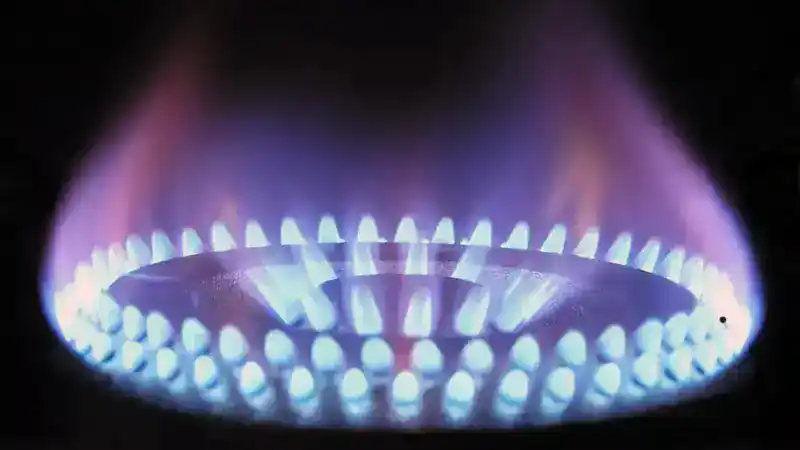
The best tent heater is the one that matches your tent, your fuel source and your safety setup: an indoor-rated propane heater with an oxygen depletion sensor and tip-over shut-off (like the Mr. Heater Big Buddy) for most car campers, a small electric heater when you have a powered site, and a wood stove only in a canvas tent built with a stove jack. Whatever you choose, a battery-powered carbon monoxide alarm and steady ventilation are not optional.
Below we break down the heater types, how much heat you actually need, the safety rules that matter most, and our picks for different kinds of camping.
Table of Contents
Key Takeaways
| Topic | What to Know |
|---|---|
| Safest fuel-burning type | Indoor-rated propane heaters with an oxygen depletion sensor (ODS) and tip-over shut-off |
| Easiest option | Electric heaters at sites with a hookup, ideally with tip-over and overheat protection |
| Heat needed | Roughly 2,000-4,000 BTU for a small tent; 9,000-18,000 BTU for large family tents in cold weather |
| Must-have safety gear | Battery carbon monoxide alarm, ventilation openings, clearance from bedding and tent walls |
| Wood stoves | Only in canvas or hot tents with a fire-rated stove jack, never in a nylon tent |
| Typical price ranges | Electric about $40-$100; small propane about $50-$150; larger propane about $100-$200; wood tent stoves about $200-$700+ |
Why a Tent Heater Is Worth Packing

Cold is one of the biggest comfort and safety risks on a shoulder-season or winter trip. A good sleeping bag does most of the work, but a heater makes a big difference for the times you are awake in the tent: changing clothes, drying gear, and warming up before you climb into your sleeping bag.
- Comfort before bed: A warm tent makes getting into a cold bag far less miserable.
- Drying gear: Damp socks, gloves and base layers dry faster, which helps you stay dry while camping.
- Kids and cold-sensitive campers: Smaller bodies lose heat faster, so short heating sessions can make family trips much more pleasant.
- Emergency warming: After an unplanned soaking, warming up quickly matters. Treat anyone showing signs of hypothermia as a medical emergency.
Tent Heater Safety Comes First
Every year, people are hurt or killed by carbon monoxide (CO) from fuel-burning appliances used in tents, campers and other enclosed spaces. CO is colorless and odorless, so you will not notice it until symptoms start. Follow these rules with any tent heater:
- Use only heaters rated for indoor use inside a tent. Many tank-top and “outdoor” propane heaters are not.
- Bring a battery-powered CO alarm and place it near where people sleep.
- Ventilate. Keep a vent or window cracked, even in cold weather. Fuel-burning heaters also consume oxygen.
- Keep clearance from sleeping bags, clothing and tent walls, and set the heater on a flat, stable surface.
- Turn fuel-burning heaters off before you sleep. Many safety experts recommend never running propane or wood heat unattended or overnight in a tent.
- Read the manual for altitude limits, clearances and approved fuel connections.
Types of Tent Heaters

Electric Tent Heaters
Electric heaters are the simplest and produce no combustion fumes, which makes them the safest choice when you have a powered campsite or a capable power station. Look for tip-over and overheat protection, and use an outdoor-rated extension cord of the right gauge. A typical 1,500-watt heater draws far more power than most portable power stations can supply for long, so they are best suited to hookup sites.
Propane Tent Heaters
Propane is the most popular off-grid choice. Indoor-rated radiant heaters with an ODS and tip-over switch are the right type for tents. Small models run on 1-pound cylinders; larger ones can connect to a bigger tank with the right hose and filter. Check whether your camping propane tanks are in good condition before each trip.
Catalytic Heaters
Catalytic heaters burn propane flamelessly across a catalyst pad. They are quiet and efficient but still consume oxygen and still need ventilation and a CO alarm.
Wood Tent Stoves
Wood stoves give serious heat and double as a cooktop, but they belong only in canvas or “hot” tents designed with a fire-rated stove jack for the chimney pipe. Use a spark arrestor, keep a fire extinguisher handy, and never use a wood stove in a nylon tent.
How Much Heat Does Your Tent Need?
Heater output is measured in BTU (British Thermal Units). As a rough guide:
- 1-2 person tent: about 2,000-4,000 BTU
- 4-6 person tent: about 4,000-9,000 BTU
- Large family or wall tent in freezing weather: 9,000-18,000 BTU or a wood stove
Wind, insulation, tent fabric and how cold it gets all change the numbers. Adjustable heat settings help you avoid overheating a small space. If you are still choosing a shelter, our guide to camping tent types covers which designs hold heat best, and these tent camping comfort tips help a heater go further.
Our Best Tent Heater Picks
These picks cover different types of camping. Specs come from the manufacturers; always confirm the current model’s ratings before buying, since manufacturers update and discontinue models.
Best Gas Tent Heater: Mr. Heater Big Buddy

- Three settings: 4,000, 9,000 and 18,000 BTU
- Heats up to about 450 square feet
- Oxygen depletion sensor and tip-over shut-off; rated indoor-safe
- Runs on two 1-pound propane cylinders, or a larger tank with an optional hose
The Big Buddy is the go-to choice for larger tents and car camping. Its low setting suits a medium tent, and the high setting can take the chill out of a big family tent. It is bulky for backpacking, but for drive-in sites it is hard to beat. See our full Mr. Heater Big Buddy review.
Best Electric Tent Heater: Vornado MVH Vortex Heater

- Multiple heat settings with an adjustable thermostat
- Fan circulates warm air through the whole tent
- Tip-over and automatic safety shut-off
- Quiet operation
At a powered site, a compact electric heater like the Vornado MVH is the simplest way to heat a tent with no fumes. Its fan-forced design spreads warmth more evenly than a basic radiant unit. Keep it on a stable, flat surface away from bedding.
Best Wood Tent Stove: Winnerwell Woodlander

- Stainless steel construction
- Nesting chimney pipe that packs inside the stove body
- Flat top for cooking and boiling water
- Available in several sizes for different tents
For hot-tent camping, the Woodlander line is a long-running favorite. Stainless steel resists rust and the chimney packs away inside the stove. Use it only in a canvas or hot tent with a stove jack. Read our Winnerwell Woodlander review for more detail.
Best Lightweight Option: Coleman SportCat Catalytic Heater

- About 1,500 BTU output
- Up to about 14 hours on a 1-pound propane cylinder
- Small and light
The SportCat is popular with solo campers who want a little warmth in a small space. Like any combustion heater, it needs ventilation and a CO alarm, and it should be turned off before sleeping. Read our Coleman SportCat review.
Other Heaters Worth a Look

Texsport Portable Propane Heater: A compact stainless heater rated around 2,890 BTU that screws onto a 1-pound cylinder. It is light and simple but lacks the ODS and tip-over shut-off found on indoor-rated heaters, so it is better for open-air use than inside a closed tent.

Comfort Zone Single Tank Top Heater: Tank-top heaters mount on a 20-pound propane tank and put out a lot of heat. They are generally designed for outdoor or well-ventilated work areas, so use them around camp, not inside a tent.

Camco Olympian Wave: A quiet catalytic heater built mainly for RVs and campers. It needs fresh-air ventilation (a cracked window or vent) and a CO alarm, and works best in a hard-sided camper.

VCJ Portable Electric Heater: A budget 750/1,500-watt fan heater with a thermostat and overheat protection. A fine choice for a powered site if you want a low-cost electric option.

TMS Portable Wood Stove: An affordable steel wood stove with a chimney and side drying racks. Like any wood stove, use it only in a hot tent with a stove jack.
Buying New vs. Used
We recommend buying heaters new. A used propane heater may have a damaged regulator, a faulty ODS or a leaking connection, and you lose the warranty. Buy from the manufacturer or an authorized retailer, and inspect hoses and fittings with soapy water before each season.
Best Tent Heater FAQ
Is it safe to use a propane heater in a tent?
It can be when you use a heater rated for indoor use with an oxygen depletion sensor and tip-over shut-off, keep the tent ventilated, run a battery CO alarm, and turn the heater off before sleeping. Never use outdoor-only or tank-top heaters inside a tent.
Can I leave a tent heater on overnight?
Fuel-burning heaters should not run while everyone is asleep. If you need warmth all night, rely on a cold-rated sleeping bag and pad, or use an electric heater with safety shut-offs at a powered site.
What size tent heater do I need?
Small tents usually need 2,000-4,000 BTU; large family tents in freezing weather may need 9,000-18,000 BTU. Choose a heater with adjustable settings so you can turn it down.
Do I need a carbon monoxide detector for a tent heater?
Yes. Any fuel-burning heater can produce carbon monoxide. A battery-powered CO alarm is inexpensive and is the single most important accessory for tent heating.
Can I use a wood stove in any tent?
No. Wood stoves are only for canvas or hot tents designed with a fire-rated stove jack. Using one in a standard nylon tent is a serious fire risk.
Final Thoughts
The best tent heater for most campers is an indoor-rated propane heater with an ODS and tip-over shut-off, paired with a CO alarm and good ventilation. Electric heaters are the cleanest choice at powered sites, and wood stoves are excellent for hot-tent setups. Match the heater to your tent size, fuel access and how you camp, and put safety ahead of extra BTUs. For more packing ideas, see our list of fun things to bring camping.
Resources
- U.S. Consumer Product Safety Commission – carbon monoxide safety guidance
- Mr. Heater – Big Buddy product specifications
- Coleman – SportCat catalytic heater information
- Winnerwell – Woodlander stove product information
- National Fire Protection Association – heating safety tips