Thank you for reading our post, please rate this article at the end.
Reading Time: 10 minutesLast Updated on August 8, 2026 by Paul Clayton
Table of Contents
Why RV Slide Out Will Not Retract and Easy Fixes
Key Takeaways
Fixing a stuck RV slide-out can often be handled with simple DIY checks, but preventing the issue through consistent maintenance is the best strategy.
Common Causes of Failure
-
- Power Deficiencies: Most slide-outs require a 12V battery with a minimum charge of 12.4V. Low voltage, corroded connections, or blown fuses/breakers are the most frequent culprits.
- Mechanical Obstructions: Debris, rust, or lack of lubrication on the tracks can cause “chattering,” loud noises, or total jams.
- Operational Errors: Many RVs have safety interlocks, such as requiring the emergency parking brake to be engaged before the slide will move.
- Improper Leveling: If the RV frame is not level, gravity and weight distribution can cause the slide-out to bind or sag.
- System Leaks: For hydraulic models, air in the lines or low fluid levels in the reservoir will cause jerky movements or failure.
Essential “Easy Fixes”
-
- Check the Manual: Always verify specific operational requirements (like being plugged into shore power or having the engine running).
- Reset Electricals: Cycle the battery disconnect switch and test fuses with a multimeter rather than relying on a visual check.
- The “Buddy System”: If a slide is stuck due to minor misalignment, have one person operate the switch while another gently pushes from the outside.
- Clean and Lube: Scrub the slide tracks to remove old paint and dirt, then apply aerosol silicone lubricant.
Preventative Maintenance Tips
-
- Install Slide Toppers: These awnings prevent leaves and debris from getting crushed into the seals or mechanism.
- Seal Care: Use specialized rubber treatments to keep seals pliable and prevent water from entering the cabin.
- Never Jack the Slide: Support the RV frame, not the slide-out itself, to avoid putting upward pressure on fragile components.
- Stay Level: Only operate the slide when the RV is fully leveled to prevent uneven wear and mechanical stress.
I’m sure you’ve been in situations when your RV slide-outs don’t just seem to slide in or out. You arrive at a campsite and level your RV, but when you try to extend your slide-outs, they either get stuck on one side or don’t move at all.
Frustrating, yeah?
The good news is, fixing a broken RV slide-out is easy. Depending on the situation, fixing a broken RV slide-out can be as simple as cleaning the battery connections.
- Today’s Best Pop-Up Campers
- New vs. Used RV: Navigating the Price Trends
- Can You Rent an RV for a Year?
Read on to learn more about RV slide-out problems and how to fix them.
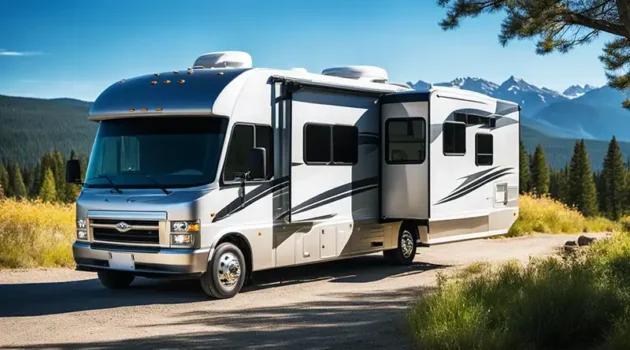
Scenario 1: Your RV Slide Out Won’t Slide Out or In At All
Look Up the User Manual
The first thing I always advise my readers is to double-check the user manual in case of any RV issue. Newbies may be green to RV slide-out operation and easily miss important operational details, while veterans tend to overlook certain elements.
Remember, different RVs require different slide-out operating mechanisms. For example, most motorhomes I know of require RVers to run the slide-outs while in emergency park brakes.
Therefore, the first and most important step is to consult the user manual to ensure you follow the correct operating requirements for your RV slide-out.
Power Issues
If you’ve adhered to all the requirements of the user manual and your slide-out is still broken, consider the power issues.
In most cases, the battery is usually the main culprit. Most RVs rely on the 12V house batteries to power the slide-outs, but confirming whether they’re charged and operational never hurts.
Check your battery’s state of charge and ensure it’s above 12.0 volts. Ideally, it should be above 12.4 V for proper operation. Also, ensure it’s not shot, and thoroughly clean up the battery connections.
Plug in your RV to Shore Power
Most RV slides usually operate on 12-V battery power, but when experiencing issues, some brands recommend plugging your RV into shore power. A generator is also a great alternative to power your slide motors.
My slide-out sometimes won’t power on, so I need to plug my trailer in.
Check the Fuses, Breakers, and Quick Disconnect
Fuses and breakers may also compromise the operational mechanism of your slide-out controls, motors, and pumps.
Therefore, start by checking the inline, power center, or fuses in the block to ensure there are no issues. While a fuse may look good to the eye, consider performing a continuity test to determine its integrity.
If there’s no action on the fuses, you must start chasing the voltage down the line. Use your meter to check the voltage on either side of the breakers. You would be surprised to find a failed breaker.
The inline breaker, located between the batteries and the motor, tends to blow because of low voltage or amperage spikes. Look around for that.
Finally, check the quick disconnect. Mine had an issue where it wouldn’t make good contact, even though it stayed on. A few quick turns on and off help remove whatever corrosion or rust is preventing the disconnect from working, and it’ll fire right up.
Examine your Motor
Electric slide-out motors on RVs may eventually stop working for several reasons. Common causes of slide-out malfunction include regular wear & tear, overheating, or damage from power surges. Issues with the power supply and control system may also compromise your RV’s motor.
Ultimately, the specific cause of RV slide-out motor failure depends on many factors and operating conditions.
Therefore, examining the motor and seeing whether it’s operating as specified is a good idea. Check the wiring and see that it’s tightly and properly connected.
Also, if you have a helping hand, use a voltmeter to check the power supply to the motor while the other person operates the slide switch. If the motor receives power but there’s no slide-out movement, it’s broken. You need a replacement.
Examine your Hydraulic Pump
If your RV uses a hydraulic slide-out system, a leak between the pump and the reservoir may cause your slide-out to jam.
It can take many years for oil to leak from a hydraulic system, such as the slide system, but doing so compromises the operating mechanism. In most cases, you’ll experience a jerk in the slide-out. It’s usually caused by air in the system. And yes, the RV slide-out hydraulic system is closed, except for the reservoir, so low fluid could allow air into the system.
I will seal and check the entire system if you have a leak somewhere. It could simply be a hose weeping or a cylinder seal leaking.
Scenario 2: Slides Out Only Slide Partially in or Out
Jammed Slide
If all but only one side of your slide isn’t cooperating, there’s a good chance it’s jammed. Consider returning it to its original position before failure and inspecting it from the inside out, top to bottom, for any issues.
Gravity or Weight
Leveling your RV may also affect the function of a slide-out. An improperly leveled RV may cause it to stick.
Fortunately, it’s easy to address this issue. Simply have someone retract the slide-out while the other person gently pushes it back inside, keeping the switch on.
Noisy Slide-Out Operation
RV slide-outs can occasionally get stuck, making ratcheting sounds and groaning loudly. If so, you’ll likely have a through-frame slide-out.
Usually, this is caused by the buildup of debris or rust. The ratcheting action means the motor is reaching a torque limit, and the clutch slips.
In this case, you must scrub the slide track and remove dirt, paint, and other debris when the slide-outs are engaged. Also, consider lubricating the slide-out, and ensure the rails, tracks, and gears are covered.
How to Remedy an RV Slide-Out Issue
Here are the tips you need to take if your RV slide-outs have issues:
Diagnose the Issue
The first step is to identify the issue. While you might not necessarily be able to fix it, you’ll be better positioned to understand what is happening. This information is also valuable when you’re talking with your RV technician.
Call an Expert
Sometimes the RV slide-out problem is so complicated that it’s hard for you to understand. Or sometimes, it requires tools that aren’t at your disposal.
Unless it’s a straightforward RV slide-out issue, I suggest you call an expert, preferably from the manufacturer. Alternatively, hire a mobile RV repair technician.
Manually Close the Slide
Not what you asked for, but I would suggest you spend some time figuring out how to manually close your slide if needed. You don’t want to figure that out while packing up at your campsite.
Understand that the retraction process varies by slide type; refer to the user manual for details.
Preventing Slide-Out Problems/ How to Maintain a Slide-Out
The truth is that RV slide-outs are more maintenance-heavy than a newborn. Use them for a weekend and then work on them for 2. It’s just part of it. RV slide-outs generally require a lot of preventative maintenance, which most campers never do.
But the thing is, I can’t see myself living in a travel trailer without a slide-out; they add more space to your RV and make the RVing experience more convenient.
The trick to living in an RV slide-out is knowing how to maintain it. I discovered that most RV slide-outs are reliable when you keep up with your maintenance. Here are some tips to prevent RV slide-out problems:
Invest in an RV Topper
An RV topper’s main benefit is protecting the slide-out’s roof from debris, such as leaves and sticks, that can fall onto it. Remember, this debris can cause damage and prevent your slide-out from operating properly.

Lubrication is Key
Maintenance is key, and a little lubrication goes a long way. Lube your slide-out mechanism with aerosol silicone lubricant, and don’t be stingy with it. Also, keeps the rubber seals healthy with rubber treatment.
Consider the Climate
The current weather and climate conditions may also affect the operation of your RV slide-out. For example, I suggest avoiding retracting the slide-out when it’s wet, as that can bring moisture into the RV.
Never Support, or Jack your RV Slide Out
RV and slide manufacturers strongly advise against supporting or jacking your slide out. Instead, you should support the RV frame, not the slide-out.
It’s easy to damage your slide-out mechanism because it exerts upward pressure on parts that aren’t designed to withstand it when the RV settles. This places undue stress on the slide mechanism, which is already fragile.
Therefore, I suggest you discover why your RV slide-out is sagging rather than band-aiding the symptoms.
Always Keep your RV Level
As I mentioned, you must always keep your camper level, especially when the slides are out for extended periods. It prevents leaks and sagging.
Also, adding metal plates between the rollers and wooden slide floor is an immensely helpful DIY, especially if your slide-out is out most of the time.
Have some DIY Skills
It also makes sense to learn some good DIY skills and learn how to use basic tools. Even better, have some basic knowledge of the electrical system. No need to get charged extra because you don’t know how to reset a breaker or replace a fuse.
Treat your Slide Out Nice
Finally, here’re some pointers on how to treat your RV slide-outs:
- Never extend the slide-outs when the RV isn’t level
- Don’t retract your slide when people’re sitting or standing on the slide
- Stop retracting your slide out when you hear a snapping, cracking, or popping sound
- Ensure you keep an eye on every surface now and then, so it’s easy to see when something is off.
My RV slide-out isn’t Level with the Rest of the Camper; is this normal?
No, that’s not normal. The slide-out should be level, or at least close to level with the rest of the camper. If it’s extremely out of angle, it needs adjustment. Don’t adjust it. I repeat, don’t adjust it or put anything underneath the slide to help level it. You could make things worse. Instead, take it to a professional.
Frequently Asked Questions
Q: What should I check first if my slide-out isn’t moving at all?
Before checking the hardware, consult your user manual. Many RVs have safety interlocks that prevent operation unless the emergency parking brake is engaged or the ignition is in a specific position. If those requirements are met, check your battery voltage; it should ideally be above 12.4V for the motor to function correctly.
Q: Is it better to be plugged into shore power when moving the slides?
Yes. While most slides run on 12V battery power, many manufacturers recommend being connected to shore power or running a generator. This ensures the motor receives a consistent, high-amperage flow and prevents the “stalling” that often happens when relying solely on a partially discharged battery.
Q: Why is my slide-out making a loud ratcheting or grinding noise?
This usually occurs in through-frame slide-outs when the motor reaches its torque limit, and the clutch begins to slip. It is often caused by a buildup of rust, dirt, or old paint on the slide tracks. Cleaning the tracks and applying a silicone-based lubricant typically resolves the noise.
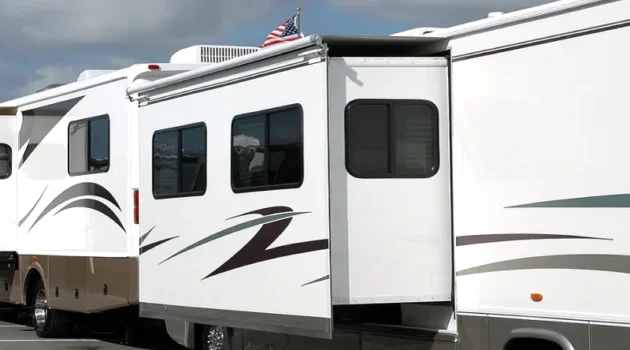
Q: Can I use a jack to support my slide-out if it looks like it’s sagging?
No. You should never jack up or place supports directly under the slide-out room. RV slides are designed to be “freestanding” when extended. Placing upward pressure on them can damage the fragile adjustment mechanisms and stress the RV frame. If the slide is sagging, it requires professional mechanical adjustment.
Q: How do I prevent debris from damaging my slide-out seals?
The most effective method is to install an RV topper (a small awning that extends with the slide). This prevents leaves, sticks, and pine needles from resting on the slide roof, where they could otherwise be crushed into the seals or the RV’s interior during retraction.
Final Thoughts
RV slide-outs are designed to expand the RV’s living space when parked. They can provide additional comfort and convenience to travelers. However, when the slide-out won’t retract, it can be frustrating and stressful.
One common reason the RV slide-out won’t retract is a power supply issue. Check if the RV battery is fully charged or connected to shore power. If the battery is low or the power source is disconnected, the slide-out may not have enough power to retract.
Another reason could be a tripped breaker. Check the RV’s breaker panel and reset the breaker if necessary.
Lubricating the slide-out tracks can also help if the slide-out is stuck. Over time, debris, dirt, or rust can accumulate on the tracks, causing the slide-out to jam. A silicone-based lubricant can help reduce friction and make the slide-out retract smoothly.
Inspecting the motor and gears is another critical step in troubleshooting a stuck slide-out. Ensure the motor and gears are functioning correctly and undamaged. A malfunctioning motor or gear may prevent the slide-out from retracting.
Lastly, check for debris or obstructions that may prevent the slide-out from retracting fully. Objects like twigs, leaves, or trash can get caught in the slide-out mechanism, obstructing it. Removing any debris from the slide-out can solve the problem.
It’s important to troubleshoot and fix the issue promptly to avoid further damage or safety hazards. If the above steps do not work, it’s recommended to consult a professional RV technician.
That’s a wrap and everything you need to know about RV slide-out common problems and easy fixes. While slide-outs are demanding to maintain, these simple hacks will make your RVing experience more enjoyable.
Regular repairs and maintenance will address most RV slide-out issues.