

Colorado RV Rental: Where to Pick Up, Camp and Drive
Colorado might be the best RV state in the country and the trickiest to drive. In one week you can wake up beside an alpine lake, roll across 12,000-foot passes and fall asleep next to the tallest sand dunes in North America. The catch is the mountains: steep grades, thin air, sudden snow and campsites that book up months ahead.
This guide covers the Colorado-specific details: the best cities to pick up a rental, the parks worth building a trip around, how to book state park campsites, and the mountain driving rules every renter should know before turning the key.
Browse Colorado RV rentals on Outdoorsy
Colorado RV Rental at a Glance
| Main pickup hubs | Denver, Colorado Springs, Fort Collins, Grand Junction, Durango |
| National parks | Rocky Mountain, Great Sand Dunes, Mesa Verde, Black Canyon of the Gunnison |
| State park campsites | 4,600+ sites across 43 parks, all by reservation |
| State park camping fees | About $20–$30 basic, $25–$40 electric, $30–$45 full hookup, per night |
| Booking window | 6 months ahead for state parks |
| Peak season | Mid-June through early September |
| Winter driving rule | Traction Law on I-70 every Sept. 1 – May 31 |
State park figures from Colorado Parks & Wildlife.
Best Places to Pick Up an RV in Colorado
Denver and the Front Range
Denver has the largest selection of rentals in the state, and flying into Denver International Airport makes it the easiest starting point. You’re about 90 minutes from Rocky Mountain National Park and an hour from mountain towns like Idaho Springs and Georgetown. Many Outdoorsy hosts in Aurora, Lakewood, Littleton and Boulder offer airport or campground delivery, which saves you from driving an unfamiliar rig through city traffic.
Colorado Springs
Colorado Springs is the gateway to Pikes Peak, Garden of the Gods and the southern route to Great Sand Dunes National Park, about three hours away. Rentals here often cost a little less than in Denver, and you start your trip south of the I-70 ski traffic.
Fort Collins
Fort Collins sits close to Estes Park and the Rocky Mountain National Park east entrance, plus the less crowded Cache la Poudre canyon. It’s a smart pickup point if Rocky Mountain is your main goal.
Grand Junction and Durango (Western Slope)
Grand Junction is the hub for Colorado National Monument, the Grand Mesa and easy reach of Utah’s Arches and Canyonlands. Durango anchors the southwest: Mesa Verde National Park, the San Juan Mountains and the Million Dollar Highway. Fewer rentals are listed here, so book early, but you’ll skip the long drive from Denver.
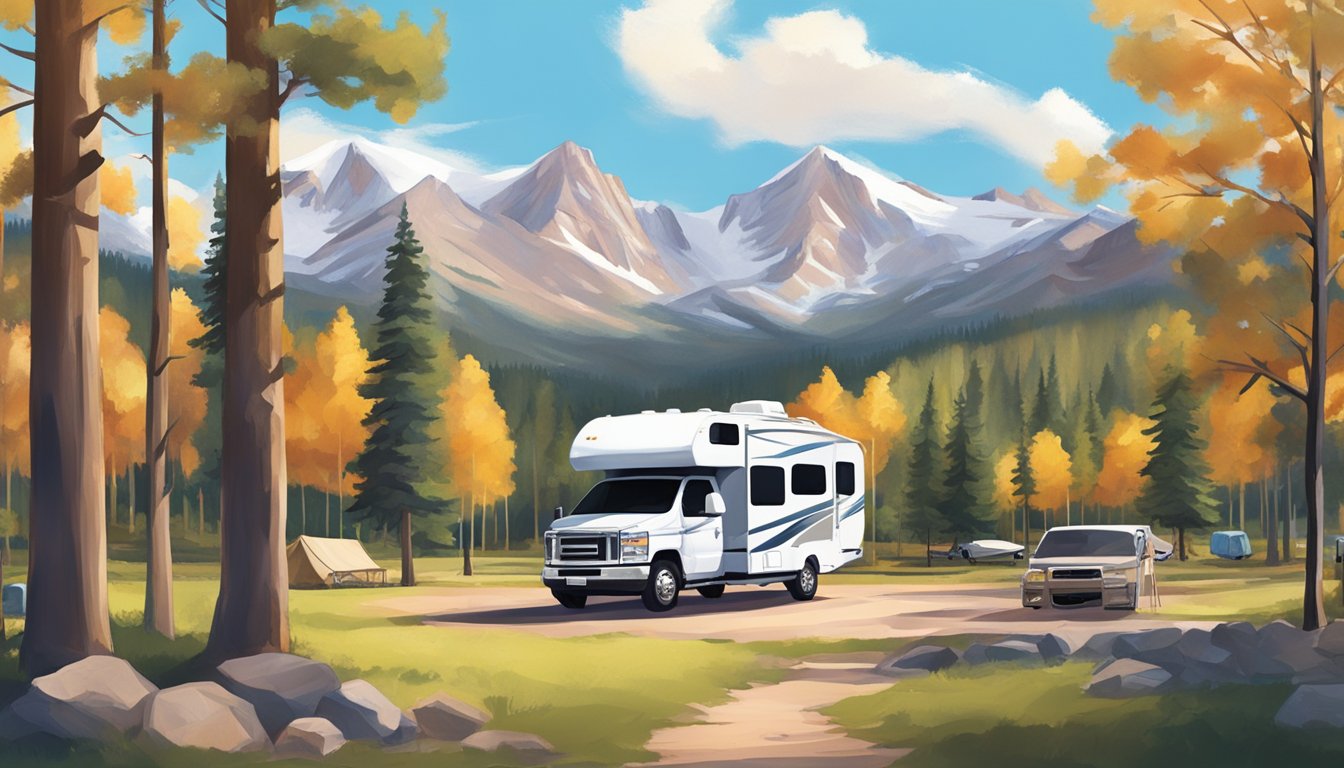
Colorado’s Best RV Road Trips
Rocky Mountain National Park
Trail Ridge Road climbs above 12,000 feet and is one of the most spectacular drives in the country. It typically closes from mid-October to late May for snow. Plan ahead for summer: in recent years the park has required timed-entry permits for much of the season, booked through Recreation.gov. Check the park’s website for current entry rules before you go. Moraine Park and Glacier Basin campgrounds book up fast; Estes Park and Grand Lake have private RV parks as backups.
Source: National Park Service
The Southern Loop: Sand Dunes, Mesa Verde and the San Juans
From Colorado Springs or Denver, head south to Great Sand Dunes National Park, then west to Mesa Verde’s cliff dwellings and the mining towns of Ouray, Silverton and Telluride. This loop takes 7 to 10 days. One warning: the Million Dollar Highway (US 550) between Ouray and Silverton is narrow, steep and largely without guardrails. Drivers of large motorhomes or long trailers often take the alternate route through Montrose.
Black Canyon of the Gunnison
Colorado’s least-visited national park has dizzying canyon overlooks and a South Rim campground that suits smaller rigs. Pair it with Curecanti National Recreation Area and Blue Mesa Reservoir, which has more RV-friendly sites.
Western Slope and Utah Combo
Start in Grand Junction for Colorado National Monument and the Grand Mesa, which has more than 300 lakes, then cross into Utah for Arches and Canyonlands. It’s a good shoulder-season option when the high mountains are cold.
For more trip ideas, see our guides to 20 of the best campgrounds in Colorado, the 5 best campgrounds in the Rocky Mountains and hiking the Maroon Bells.
Where to Camp in Your Rental
Colorado State Parks
Colorado’s 43 state parks offer more than 4,600 campsites, and every one requires a reservation. Bookings open six months ahead at midnight through CPWshop.com or by phone at 1-800-244-5613. Summer weekends at popular parks can fill within minutes, so set a reminder.
Nightly fees run about $20–$30 for basic sites, $25–$40 for electric and $30–$45 for full hookups. You also need a park pass on top of the camping fee: either a daily vehicle pass (about $10–$15) or an annual pass. Check Colorado Parks & Wildlife for current rates.
Source: Colorado Parks & Wildlife
RV favorites include Chatfield and Cherry Creek near Denver, Mueller near Pikes Peak, Ridgway in the San Juans, and Steamboat Lake in the north.
National Forest and BLM Land
Much of Colorado is public land, and dispersed camping (free camping without hookups) is allowed in many national forest and BLM areas, usually with a 14-day stay limit. Check local rules and fire restrictions before you go, and be honest about your rig: many forest roads are rough and narrow. Our guide to finding free and low-cost campsites explains how to find them.
Private RV Parks
Private parks in Estes Park, Buena Vista, Durango, Grand Junction and Colorado Springs offer full hookups, laundry and Wi-Fi. They’re often the easiest option for first-time renters or anyone who didn’t book state parks six months out.
Driving an RV in the Colorado Mountains
Know the Traction Law
From Sept. 1 through May 31, Colorado’s Traction Law is in effect on the I-70 mountain corridor between Dotsero and Morrison, and CDOT can activate it on other highways during storms. Vehicles need tires with at least 3/16-inch of tread that are winter, all-weather or mud-and-snow rated, or chains or an approved traction device on the drive tires. Drivers who aren’t compliant can be fined, with much higher penalties if their vehicle blocks the road.
Source: Colorado Department of Transportation
If you’re renting between September and May, ask the owner what tires are on the RV and whether chains are included.
Mountain Driving Tips
- Use low gears on descents. Let the engine slow you down so your brakes don’t overheat on long grades like Vail Pass or Wolf Creek Pass.
- Expect less power up high. Engines lose noticeable power at altitude, so plan for slow climbs and use the truck lanes.
- Check length limits. Independence Pass (Highway 82) prohibits vehicles over 35 feet, and some scenic roads aren’t suited to big rigs at all.
- Watch the weather. Snow can fall on high passes in any month. Check COtrip.org for road conditions before you leave.
- Fill up before remote stretches. Gas stations can be 60 miles or more apart in the San Luis Valley and on the Western Slope.
New to towing or driving a big rig? Our towing capacity calculator and tips for new RV owners are a good place to start.
When to Rent an RV in Colorado
- Summer (mid-June to early September): Every road and campground is open, and prices and crowds peak. Book rentals and campsites months ahead.
- Fall (mid-September to mid-October): Golden aspens, fewer people and lower rates, but cold nights and occasional early snow. This is many locals’ favorite season.
- Spring (April to mid-June): Lower prices, but many high roads and campgrounds are still closed and the Traction Law is in effect.
- Winter (November to March): Only for experienced winter RVers with a cold-weather-ready rig. Many rentals are winterized and unavailable.
How Much Does an RV Rental Cost in Colorado?
Prices depend on the type of RV, the season and how far ahead you book, and Colorado’s summer peak is the most expensive time to rent. Small campervans and towable trailers are usually the cheapest options, while large Class A motorhomes cost the most. Check live Outdoorsy prices for your dates.
Beyond the nightly rate, budget for:
- Mileage and generator fees beyond the included allowance
- Insurance or a protection plan
- Delivery, cleaning and dump fees
- Campsite fees and Colorado state park passes
- Fuel, which adds up fast on mountain grades
Comparing platforms? Read our RVshare vs. Outdoorsy comparison.
Frequently Asked Questions
Do I need a reservation to camp in Colorado state parks?
Yes. Every Colorado state park campsite is reservation-only, and bookings open six months ahead. You’ll also need a daily or annual park pass for the vehicle.
Can I park an RV overnight for free in Colorado?
Often, yes, on national forest and BLM land where dispersed camping is allowed, usually up to 14 days. Overnight parking in stores and rest areas depends on local rules and the business, so always check signs or ask first.
How old do you need to be to rent an RV in Colorado?
It depends on the owner and platform. Most require drivers to be at least 25 for motorhomes, while some allow younger renters for towable trailers. Check the listing before you book.
Is it hard to drive an RV in the Colorado mountains?
It’s very doable with preparation. Use low gears on descents, avoid roads with length limits, check the weather and stick to the interstate and main highways if you’re new to driving an RV. A Class C or campervan is easier to handle than a large Class A.
What is the best time to rent an RV in Colorado?
Mid-June through September offers the best access to mountain roads and campgrounds. Mid-September to early October is a sweet spot for fall colors, smaller crowds and lower prices.


