
Thank you for reading our post, please rate this article at the end.
Reading Time: 9 minutesLast Updated on June 6, 2026 by Paul Clayton
Table of Contents
Deep Dive review into the Piscifun Carbon X II Reel & Carbon R1 Rod
Key Takeaways
-
- Unmatched Strength-to-Weight Ratio: By utilizing high-density carbon fiber and a carbon monocoque handle, the entire setup weighs under 12 ounces. This drastically reduces angler fatigue during long days of sight-casting in the Florida heat.
- Elite Sensitivity (SSR Technology): The 30-ton Toray carbon blank and the hollow carbon handle act as a “tuning fork,” amplifying subtle vibrations. This allowed for detecting the faint “machine gun” peck of Sheepshead that traditional cork or foam handles often dampen.
- Heavy-Duty Stopping Power: Despite its lightweight 3000-series frame, the Carbon X 2 delivers a staggering 22 lbs of carbon fiber drag. This provided the necessary “lock-down” power to turn powerful Redfish away from mangrove roots without drag stutter.
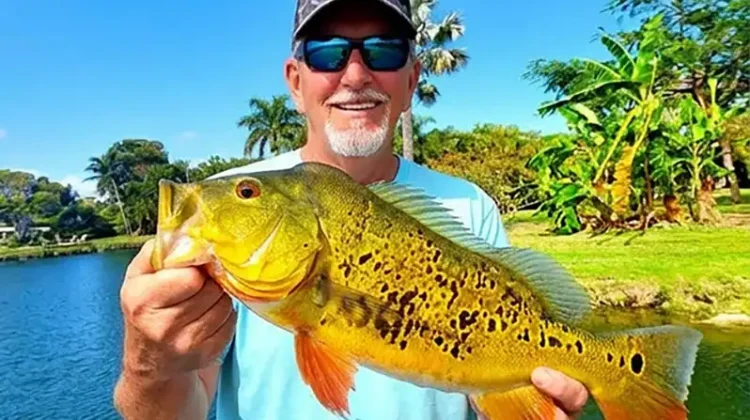
- High-Speed Versatility: The 6.2:1 gear ratio proved essential for “burning” lures in Miami’s canals, triggering reactionary strikes from aggressive Peacock Bass and allowing for instant line recovery.
- Torsional Rigidity: The rigid carbon frame prevents “gear flex” under heavy loads, ensuring that internal components stay aligned even when winching stubborn fish out of barnacle-encrusted bridge pilings.
- Saltwater-Ready Durability: Featuring a stainless steel main shaft and sealed carbon washers, the gear showed no signs of corrosion or pitting after extensive exposure to the harsh SWFL saltwater environment.
In the world of Florida angling, where the salt eats gear for breakfast and a single “redfish run” can melt a subpar drag system, the term “budget-friendly” is often a warning label. 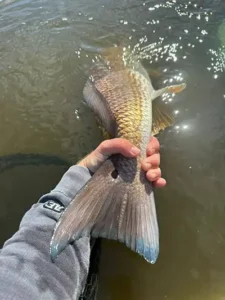 However, the Piscifun Carbon X II (3000 Series) and the Carbon R1 Rod emerged as a disruptive force. This isn’t just a “good for the price” setup; this is a technical masterclass in carbon-fiber integration.
- 22 Fishing License Questions and Requirements
- The 10 Best Spinning Rods For Bass
- The Ultimate Guide to Understanding Fishing Hooks
- What Are The Different Types of Fishing Lines?
- Beginner’s Guide to Bass Fishing
Over several weeks, I took this combo through the three most demanding environments in the Sunshine State: the skinny-water flats of SWFL, the barnacle-choked bridges of Charlotte Harbor, and the high-speed urban canals of Miami. Here is the exhaustive breakdown of how this gear redefined my expectations of “performance.”
Technical Architecture: The Reel (Carbon X II)
Torsional Rigidity vs. Weight
The 3000-series Carbon X II hits the scales at an incredible 7.8 ounces. In the past, achieving this weight meant using flimsy plastics that would “flex” under the pressure of a big fish. When a reel frame flexes, the internal gears become misaligned, leading to that “grinding” sensation and eventually to gear failure.
Piscifun’s use of high-density carbon fiber for the body and rotor provides a rigid skeleton. During the SWFL Redfish test, when a 30-inch “over-slot” Red made a surge for the mangroves, I put maximum pressure on the frame. There was zero torque or twisting. The gears stayed meshed, and the power delivery remained constant.
The 22lb Carbon Fiber Drag System
Most 3000-series reels on the market offer between 12 and 15 lbs of drag. While that’s enough for a Trout, it’s a 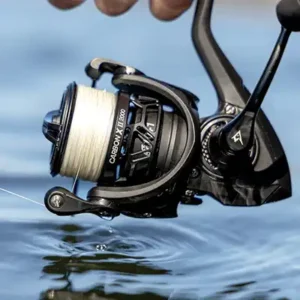 gamble for a big Snook or Redfish. The Carbon X II utilizes a multi-stack carbon washer system that produces a staggering 22 lbs of stopping power.
But raw power isn’t the whole story; it’s about startup inertia. Cheaper drags “stutter” when a fish first bolts, which is when most leaders snap. The Carbon X II’s drag is “dry-sealed,” meaning it stays consistent even after getting splashed by saltwater. It releases line with buttery smoothness, protecting your 10lb or 15lb braid during those critical first five seconds of a fight.
Gear Ratio and Recovery
With a 6.2:1 gear ratio, this reel is built for the modern angler. In the Miami canals, catching Peacock Bass requires “burning” lures, retrieving them at high speeds to trigger a reactionary strike. The high-speed oscillation system ensures the line is perfectly laid back onto the spool, preventing the dreaded “wind knots” that plague high-speed spinning reels.
Technical Architecture: The Rod (Carbon R1)
The Science of SSR (Sensor Sensitive Rod) Technology
The R1 isn’t just a stick; it’s a transmitter. Built with 30-ton Toray carbon cloth, the blank is wrapped at multiple angles to ensure strength without adding bulk.
The “Fast Action” tip is the secret sauce here. In Charlotte Harbor, fishing for Sheepshead requires detecting a bite that is often described as a “ghostly pressure.” Because the carbon fibers in the R1 are so tightly compressed, vibrations travel through the rod at a higher velocity than standard graphite. When that Sheepshead “crushed” the fiddler crab, the sensation didn’t just vibrate the tip; it resonated all the way to my palm.
The Monocoque Revolution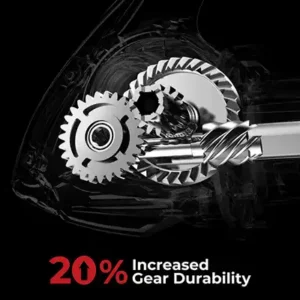
Traditional rods use cork or EVA foam for the handle. While comfortable, these materials act as insulators, dampening the very vibrations you need to feel.
The Carbon R1’s Carbon Monocoque Handle is a hollow, integrated carbon structure. It acts like the body of an acoustic guitar, amplifying the “signals” coming from the line. Furthermore, by removing the heavy glue and foam used in traditional grips, Piscifun shifted the balance point of the entire setup closer to the reel seat. This “neutral balance” means you can sight-cast for eight hours without the dreaded “wrist fatigue” that leads to sloppy presentations.
Field Test Narrative: Three Days of Chaos
Scenario A: The SWFL “Skinny Water” Stealth Mission
Location: Pine Island Sound / Matlacha Pass
Target: Tailing Redfish in <12″ of water.
In the flats, stealth is your only currency. I was using 10lb braided line with a 20lb fluorocarbon leader. The challenge was making a 60-foot cast with a light 1/8oz gold spoon.
The Experience: The R1’s “load” during the backswing was crisp. The rod tip didn’t “wobble” after the release, which allowed the line to shoot through the Fuji-style guides with minimal friction. The spoon landed like a feather. When the Redfish turned and inhaled it, the fight was instantaneous. I had to keep the rod tip high to prevent the line from rubbing on oyster bars. The R1’s backbone took the pressure, while the Carbon X II’s drag sang a steady, high-pitched tune. This was a win for accuracy and finesse.
The Bridge Brawlers of Charlotte Harbor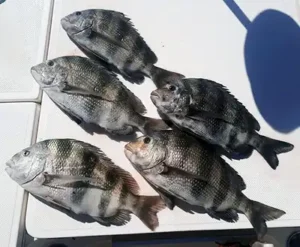
Location: US-41 Bridge Pilings
Target: Sheepshead and Black Drum.
This is “dirty” fishing. You’re dropping bait into a forest of concrete and razor-sharp barnacles. You have to “feel” the fish before it wraps you around a piling.
The Experience: This test focused on tactile feedback. I could feel my sinker rolling over individual barnacles. When the “machine gun” peck of a Sheepshead started, I didn’t wait; I set the hook. The Carbon X II’s zinc alloy drive gear provided the immediate torque needed to winch a 4lb fish vertically. There was no “give” in the handle. It was a pure test of mechanical strength, and the carbon-on-carbon setup didn’t creak or groan under the vertical load.
Urban Jungle “Speed” Fishing
Location: C-100 Canal System, Miami
Target: Butterfly Peacock Bass.
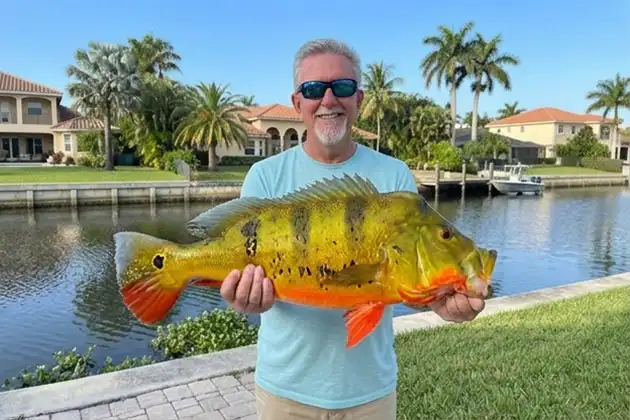
Peacock Bass are the “sprint runners” of the freshwater world. They strike hard and fast.
The Experience: I spent the afternoon “ripping” jerkbaits and topwater poppers. The high-speed 6.2:1 ratio of the Carbon X II was essential here. I could retrieve the slack line instantly after a pop, ensuring I was always “tight” to the lure. When a 5lb Peacock detonated on the surface, the R1’s responsiveness was incredible. It didn’t “fold” under the strike; it stayed “springy,” allowing me to steer the fish away from the canal’s limestone edges.
Durability and Ergonomics
One of the most overlooked aspects of a “deep dive” is the ergonomics of the grip and reel seat.
-
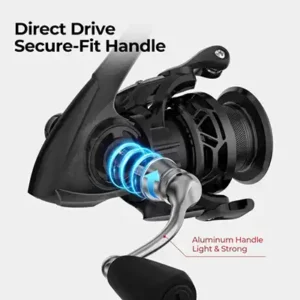
The Handle Design: The Carbon X II features an oversized, flat-sided EVA knob. In the humidity of South Florida, your hands are always sweaty or covered in fish slime. This knob provides a non-slip leverage point, even when you’re cranking at high speeds.
-
Corrosion Resistance: After three weeks of salt exposure, I stripped the reel down. The stainless steel main shaft and the sealed bearings showed zero signs of “pitting” or salt crystallization. For a reel in this price bracket, the sealing is surprisingly robust.
-
The “Weightless” Feel: The total weight of this combo is under 12 ounces. To put that in perspective, many traditional setups weigh nearly twice that much. This isn’t just about comfort; it’s about performance longevity. When you aren’t fighting the weight of your gear, your casts stay more accurate, and your hook sets stay sharper throughout the day.
60-Day Field Endurance: From Salt to Fresh and Back Again
A technical review is only as good as the dirt or salt on the gear, and we didn’t baby this setup. Over a 60-plus  day gauntlet, we pushed the Piscifun Carbon X II and Carbon R1 through a relentless rotation of environments. We started in the high-salinity brine of the Southwest Florida gulf, transitioned into the murky, brackish backcountry of the Myakka River, and finished with a few days of “beating the banks” in the freshwater canals of Miami.
Despite constant exposure to corrosive salt spray and abrasive silt in brackish estuaries, the gear showed no signs of wear or rust. The stainless steel main shaft remained pristine, and the sealed carbon drag system never lost its “out-of-the-box” silkiness. Even the Fuji-style guides on the R1, which often show “pitting” or green oxidation on lesser rods after two months of salt air, remained completely clear.
This 60-day stress test confirms that while this setup is lightweight and sensitive, it possesses the industrial-grade durability required for the “salt-to-fresh” lifestyle of a hardcore Florida angler.
Frequently Asked Questions
Q: Is a 3000-series reel too small for saltwater Redfish and Snook?
Not with this specific setup. While a 3000-series is traditionally seen as a “light” reel, the Carbon X 2 features a 22lb carbon fiber drag system. This provides the stopping power typically found in much larger 4000 or 5000-series reels, allowing you to turn “over-slot” Reds away from mangroves without the added weight of a bulky saltwater reel.
Q: What exactly is “SSR Technology” and can I actually feel the difference?
SSR (Sensor Sensitive Rod) technology refers to the multi-angle wrapping of 30-ton Toray carbon cloth. This creates a highly compressed, stiff blank that transmits vibrations faster than standard graphite. When paired with the carbon monocoque handle, it removes the “insulation” of cork or foam, allowing you to feel subtle movements like a Sheepshead “pecking” a bait that other rods would miss.
Q: Does the lightweight carbon fiber frame flex when fighting large fish?
No. One of the primary upgrades of the Carbon X 2 is its torsional rigidity. Unlike cheaper plastics that “twist” under pressure (causing gears to grind), the high-density carbon frame stays aligned. This ensures smooth power delivery even when you are winching a fish vertically against a bridge piling in Charlotte Harbor.
Q: Is this setup durable enough for the harsh Florida saltwater environment?
Yes, but basic maintenance is still key. The reel is built with a stainless steel main shaft and sealed carbon drag washers specifically to resist “pitting” and salt crystallization. While it is highly corrosion-resistant, a quick freshwater rinse after a day on the SWFL flats will ensure the bearings remain buttery smooth for years.
Q: Why is the 6.2:1 gear ratio important for Florida angling?
In Florida, we often jump between “finesse” bait fishing and “aggressive” lure fishing. The 6.2:1 high-speed ratio allows you to “burn” topwater lures for Peacock Bass or quickly take up slack line after a Redfish makes a run toward you. This high-speed recovery is essential for staying “tight” on fast-moving predators in both salt and fresh water.
The “Pro-Grade” Verdict: Who is this for?
The Piscifun Carbon Series is not just for the beginner looking to upgrade. It is a tactical tool for the professional angler who operates in multiple environments.
-
For the Flats Angler: It offers the long-distance casting and stealth needed for spooky fish.
-
For the Structure Fisher: It provides the SSR sensitivity to feel the lightest bites and the 22lb drag to stop the run.
-
For the Urban Angler: It provides the high-speed recovery and lightweight build for aggressive, high-cadence fishing.
This video has been included to clarify the topic. Credit goes to Dad Life Fishing Adventures
Final Thoughts
The synergy between the Carbon X II and the Carbon R1 is undeniable. By utilizing carbon fiber not just as a “selling point” but as a structural foundation, Piscifun has created a setup that feels “alive” in your hand. You aren’t just holding a rod; you are plugged into the underwater environment.
My Final Stats:
-
Versatility: 10/10
-
Sensitivity: 9.5/10
-
Stopping Power: 9/10
-
Value: 10/10
In the fishing market, you can spend $800 on a combo that performs similarly, but why would you? This carbon-on-carbon marriage delivers 95% of the performance of high-end boutique brands at a fraction of the cost. It is, quite simply, the ultimate daily driver for the Florida Angler.