
Thank you for reading our post, please rate this article at the end.
Reading Time: 4 minutesLast Updated on November 15, 2026 by Paul Clayton
Part of our guide: New vs. Used RV: Navigating the Price Trends
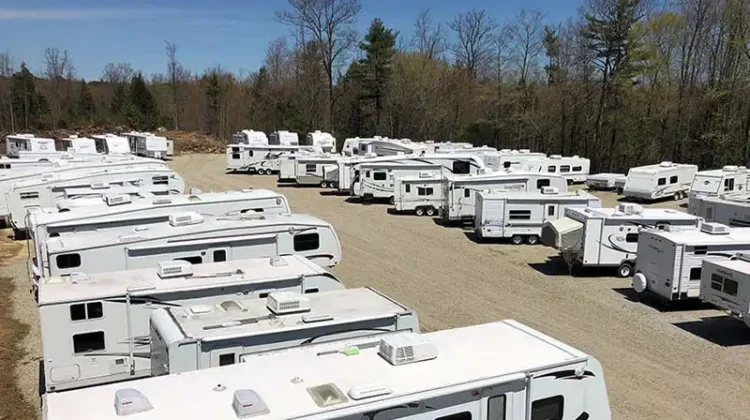
In the used RV dealer vs private seller choice, buying from a private seller usually gets you a lower price and a chance to hear the RV’s real history from the owner, but you carry all the risk, handle the paperwork, and arrange your own financing and inspection. Buying from a dealer usually costs more, but you get financing, trade-ins, a wider selection, a pre-delivery inspection and sometimes a short warranty. Either way, the single most important step is an independent inspection before you pay, so know what to look for when buying a used RV. A third, riskier route for bargain hunters is buying through RV salvage yards, where totaled rigs sell for far less but need repairs.
Dealer vs. private seller at a glance
| Dealer | Private seller | |
|---|---|---|
| Price | Higher; includes dealer markup and fees | Often lower; more room to negotiate |
| RV history | Often unknown, especially for trade-ins | Owner can explain use, storage and repairs |
| Financing | Arranged on site | You arrange a loan in advance |
| Trade-in | Usually accepted | Not available |
| Warranty | Sometimes a short warranty; extended plans offered | Sold as-is |
| Paperwork | Handled for you | You handle title, bill of sale and registration |
| Selection | Many RVs in one place | One RV at a time |
| Scam risk | Low | Higher; verify ownership carefully |
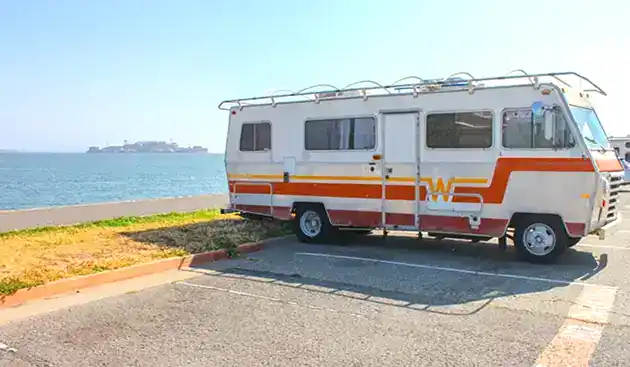
Table of Contents
Key Takeaways
| Topic | Key takeaway |
|---|---|
| Dealers | Offer financing, trade-ins and some warranty support |
| Private sellers | Often lower prices and room to negotiate |
| Risks | Private sales are as-is; check title and liens |
| Inspection | Get an independent inspection either way |
| Paperwork | Bill of sale and proper title transfer |
Pros and Cons of Buying From a Dealer
- Pros: one-stop financing and trade-in, wide selection, pre-delivery inspection, walk-through orientation, possible short warranty, consumer protections.
- Cons: higher prices, doc and prep fees, pressure to buy add-ons like extended warranties and paint protection, and sometimes little history on trade-ins.
Negotiate the out-the-door price, not the payment, and read any warranty contract before signing. See making RV deals work for you and whether RV extended warranties are worth it.
Pros and Cons of Buying From a Private Seller
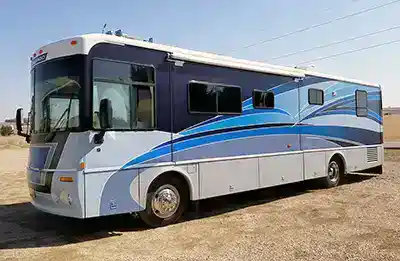
- Pros: lower prices, maintenance records and real-world advice from the owner, no dealer fees, and often extras included.
- Cons: no warranty, you arrange financing and inspection, more paperwork, and higher risk of scams or undisclosed problems.
How to Protect Yourself in a Private Sale
- See the RV in person and never send deposits for an RV you haven’t seen.
- Verify ownership: the seller’s ID should match the title, and the VIN on the title should match the RV.
- Check for liens and confirm a payoff plan if there’s a loan.
- Run a recall check with the VIN.
- Hire an independent inspector. See RV inspection cost.
- Test every system: water, propane, electrical, slides, generator, AC and furnace.
- Pay safely: meet at your bank or credit union and use a cashier’s check or bank transfer.
- Get a signed bill of sale and the signed title before you leave.
Buying a Cheap Used Trailer (Under $5,000 to $20,000)
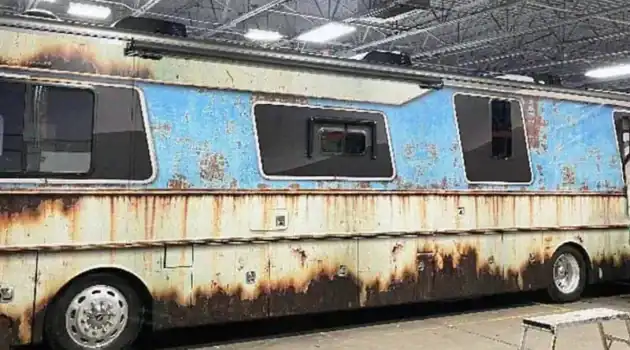
Budget trailers are often older and more likely to hide water damage, frame rust and worn-out appliances. Look carefully at roofs, floors and the frame, and assume you’ll spend money fixing things. Our picks for the best used RV trailers under $5K and our list of mistakes to avoid can help. Keep in mind some campgrounds limit older RVs; see the 10-year RV rule.
Which Should You Choose?
Choose a private seller if price matters most, you’re comfortable inspecting and handling paperwork, and you can arrange your own financing. Choose a dealer if you want convenience, a trade-in, financing help, or a short warranty, and you’re willing to pay more for it.
Used RV Dealer vs Private Seller FAQ
Is it cheaper to buy a used RV from a private seller?
Usually, yes, because there’s no dealer markup or fees.
Can I finance a private-party RV purchase?
Many banks and credit unions offer private-party RV loans. See tips for finding the best RV financing.
Do dealers inspect used RVs?
Many do a pre-delivery inspection, but it isn’t independent. Hire your own inspector too. Also ask whether the RV dealer will deliver and include it in your negotiation.
How much is insurance on a used travel trailer?
See how much travel trailer insurance costs.
Related reading: 11 Signs It’s the Right Time to Buy a Used RV.
Final Thoughts
Dealers offer convenience while private sellers often offer better prices. Whichever you choose, inspect the RV, verify the title and compare values before you pay.
Resources
- National RV Inspectors Association
- State DMV title transfer guidelines
- J.D. Power (NADA Guides) RV values