
Thank you for reading our post, please rate this article at the end.
Reading Time: 8 minutesLast Updated on March 19, 2026 by Paul Clayton
Table of Contents
5 Step Power Guide to Electric Motorcycles
Key Takeaways
-
- Simplified Mechanics: Unlike gas bikes with thousands of moving parts, electric motorcycles use a battery-powered engine with roughly 20 components. They lack pistons, carburetors, oil, and multi-gear transmissions, making them much simpler to operate.
- Performance Edge (Instant Torque): Electric motors provide 100% of their torque immediately. This gives them a significant advantage in off-road scenarios, such as climbing hills or navigating sand, where gas bikes might struggle or require gear shifting.
- Innovative Design & Handling:
- Weight Distribution: Batteries are typically positioned toward the rear, lightening the front load and increasing rear-wheel grip.
- Stability: They often feature a lower center of gravity than internal combustion engine (ICE) bikes, improving balance on rough terrain.
- Regenerative Braking: These machines use a controller to convert kinetic energy back into electrical power during braking, effectively recharging the battery while you ride.
- Maintenance & Cost Benefits:
- Low Upkeep: There are no spark plugs, clutches, or cooling systems to maintain, and no fluids like oil or coolant to change.
- Affordability: While the upfront cost can be high, battery production costs have dropped 87% over the last decade, and many states offer rebates to offset the price.
- Current Limitations: * Range: Most models are limited to 100–150 miles per charge.
- Infrastructure: Charging stations can be harder to find in rural or off-road areas than gas stations.
- Charging Time: Recharging usually takes several hours, though emerging technologies aim for “fast-charge” times of as little as 10 minutes.
The automotive industry is moving toward electric vehicles (EVs), including models beyond sedans, trucks, and SUVs. Off-road fans are starting to see electric ATVs and UTVs from respected manufacturers like Yamaha and Polaris. Electric motorcycles are another popular addition to the mix.
These machines are becoming more popular among bike and off-road enthusiasts for their advanced technology and benefits for drivers. So, how do they work? Here’s a beginner’s guide to electric motorcycles, explaining everything you need to know.
What Are Electric Motorcycles?
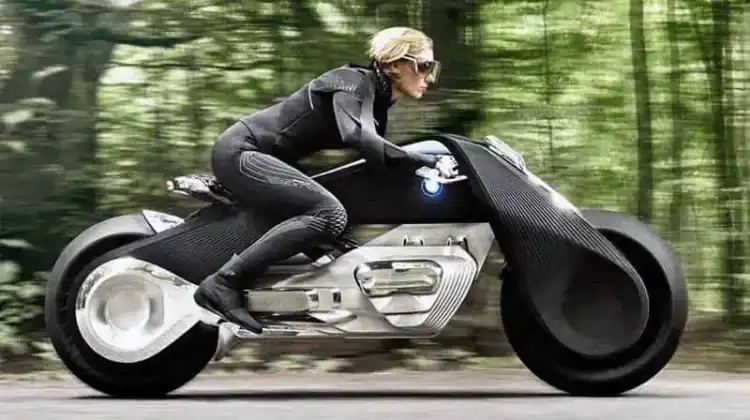
From the outside, electric motorcycles look the same as their gas-powered relatives.  They have a similar setup with two tires, seats, and handles. However, when you get into the finer details, there are distinctions between the two types of bikes.
Regular motorcycles have engines that require oil and gasoline, but electric motorcycles have neither. Instead, they run on batteries. These battery packs provide power to move the bike wherever you like. Gas-powered motorcycles require refueling, but you simply recharge electric motorcycles’ battery packs.
Another significant difference between the motorcycles is the weight distribution. Electric motorcycles’ battery packs are smaller than the standard engine and are at the back of the bike. Thus, the weight shifts to the back of your motorcycle, lightening the load on your front wheels and increasing your rear grip.
What’s Inside an Electric Motorcycle?
Electric motorcycles aim to provide the same fun riding experience as gas-powered bikes. However, the mechanical details make them unique. Here are four characteristics that define the machine.
Electric Engine
The most important part of an electric motorcycle is its engine, which isn’t a conventional motor with pistons, combustion chambers, and carburetors.
Electric motors have only one gear instead of multi-gear transmissions, making operations much more straightforward. These engines also don’t need a cooling system because they emit significantly less heat.
Gas-powered engines rely on combustion chambers to generate power for the motorcycle. However, electric motors rely on electromagnetism, the relationship between electric currents and magnetic fields. Electric motorcycles harness power from magnetic fields generated by the rotor.
The rotor is one of the most essential parts of an electric motor. It’s a moving part inside the motor that generates a magnetic field along with the stator. The two magnetic fields combine to produce torque for your electric motorcycle.
This video has been included to clarify the topic. Credit goes to TechTrends
Rechargeable Batteries
Electric motorcycles have battery packs with multiple lithium-ion cells powering the device. These batteries are similar to those in electric sedans and trucks.
Electric motorcycles typically run on 12-volt batteries, with operating power ranging from 10.5 to 14.5 in a standard pack. They are also common in ATVs and other types of off-road equipment.
Most electric motorcycles use lithium-ion cells to power the machines, but other innovations are starting to hit the market. For example, nickel-metal hydride, lithium phosphate, or lead-acid batteries may be used in the battery packs.
Electric motorcycles also have a battery management system (BMS). These devices track your battery pack’s voltage, temperature, and other important information. The last thing you want is a dead or overheated battery on the trail.
Controllers
Electric motorcycles don’t have a carburetor to mix fuel and air because there’s no gasoline. Instead, these machines rely more on their controller to regulate engine operations. For example, the controller is responsible for power regulation. This part controls how much power reaches the engine from your throttle position.
The controller also controls the braking process. Electric motorcycles use regenerative braking, which captures energy rather than dissipates it. Braking with an electric motorcycle causes the controller to convert your bike’s kinetic energy into electrical power, thus recharging the motorcycle.
Charging Port
Gone are the days when you had to rely on a gas pump to refuel your motorcycle. Electric motorcycles let you avoid the gasoline smell and use a charging port, which is typically located where the gas tank would have been. Alternatively, you may find them just under the seat, in the rear, or on the side panels.
Can Electric Motorcycles Go Off-Road?
Imagine it’s a warm summer day with the sun shining brightly. You drive electric motorcycles down the highway with your buddies and decide you want to go off-road for a while. Thankfully, they’re just as good as gas-powered bikes and even better in some situations.
For example, consider a situation where you need rapid acceleration, such as climbing a hill or traversing sand and mud. Electric motorcycles are better than gas-powered bikes because of their torque. You instantly get torque from an electric motorcycle, whereas a gas-powered machine may require shifting gears. In this case, electric motorcycles are better for beginners who want to ride bikes and be outdoors.
Electric motorcycles typically have a lower center of gravity than their gas-powered counterparts. This feature makes it easier to keep your bike stable on unforgiving terrain. Internal combustion engine (ICE) motorcycles have an engine and a fuel tank, which raises the center of gravity and makes them more unstable for riders.
Benefits of Electric Motorcycles
Electric motorcycles are advantageous on pavement and rough terrain. The benefits  of these machines are similar to the ones you see with other EVs on the road. Here are five advantages you get when driving electric motorcycles.
Environment Health
One reason many off-road enthusiasts turn to electric motorcycles is environmental health. These bikes don’t need gasoline to run, thus reducing your fossil fuel consumption. No fuel means you don’t need an exhaust system to emit fumes from your motorcycle. Electric motorcycles have no tailpipe emissions, thus lowering your environmental impact on the trails you drive.
Moving from gas-powered machines to EVs has been a sticking point for the automotive industry. Research shows that the transportation industry accounts for 28% of all greenhouse gas (GHG) emissions in the United States, prompting manufacturers across the board to seek alternatives.
Affordability
New technology often comes with steep price tags. However, more market competition and better practices make the products cheaper. You can see this trend specifically with EV batteries. A decade ago, only a handful of companies produced batteries, and they were expensive. Over the past 10 years, battery production costs have dropped by 87% due to industry research and development.
Tax credits are another source of affordability. The federal government used to offer rebates for electric motorcycles, but those credits have expired. Still, you can take advantage of state tax credits. For example, the California Air Resources Board (ARB) offers a $750 rebate for the purchase of a new zero-emission motorcycle.
Quiet Operations
Gas-powered motorcycles can be a nuisance to neighbors because of their loud sounds. Their exhaust systems are less restrictive, with short pipes and high-performance engines. However, this problem isn’t present with electric motorcycles, so they offer a quieter experience.
Electric bikes are much quieter because there are no exhaust pipes or mufflers. Manufacturers often implement noise-reduction technology to minimize vibrations and insulate against sound from the motorcycle. Electric motorcycles excel at reducing air pollution and are effective at mitigating noise pollution.
Low Maintenance
A common theme among electric motorcycles, ATVs, and other machines is their low maintenance. EVs have fewer moving parts and are much simpler for riders to operate. For example, gas-powered vehicles typically have 2,000 engine components, whereas EVs have about 20.
With electric motorcycles, you don’t have to worry about keeping up with the fluids in your bike. You’ll save money by not purchasing oil, transmission fluid, coolant, and more. Electric motorcycles also have fewer parts that wear and need replacement, such as spark plugs, clutches, and sprockets.
Easy Charging
Charging can be complex for EVs, but it’s relatively straightforward with electric motorcycles. You’ll need a cable to plug in your bike, but not a unique outlet. You can plug in your bike and charge the machine overnight without visiting a charging station.
Drawbacks of Electric Motorcycles
Electric motorcycles offer numerous benefits, but these drawbacks give some people pause.
Range
The range can be a limiting factor for electric motorcycles. These bikes typically have a shorter range than gas-powered motorcycles because battery energy density is lower. Innovative technology may close the gap this decade, but electric motorcycles still lack in their range. Most bikes on the market top out around 100 miles, while some get closer to 150 miles.
Charging Infrastructure
Imagine you plan an entire day riding your electric motorcycle down paved and unpaved roads. Unfortunately, you can only go so far before you need to charge again. You’ll have a much easier time finding a charger in the city. Finding a charging station while off-roading in rural areas may be challenging.
Currently, the U.S. has over 130,000 chargers in 50 states and territories. The federal government plans to install 500,000 chargers, which will improve access. However, planning off-roading trips with your electric motorcycle can be challenging if your destination doesn’t have enough charging stations.
Charging Times
Another drawback of electric motorcycles is their charging time. Filling up a gas-powered bike takes a few minutes. However, an electric motorcycle may take a few hours to fully charge.
New technology will reduce charging times and improve the electric motorcycle experience. For example, Lightning Motorcycles says its electric motorcycles can be fully charged in 10 minutes. Until this technology is more widespread, you’ll have to be patient with the charging times.
Frequently Asked Questions
Q: How do electric motorcycles differ from gas-powered bikes internally?
While they look similar on the outside, electric motorcycles replace the complex internal combustion engine (pistons, valves, and carburetors) with a simple electric motor and a lithium-ion battery pack. They typically have only about 20 moving parts, compared with the 2,000+ in gas engines, and they do not require a multi-gear transmission or a cooling system.
Q: Is an electric motorcycle better for off-road riding?
In many ways, yes. Electric bikes provide instant torque, which is a major advantage when climbing steep hills or navigating sand and mud. They also have a lower center of gravity, making them more stable on uneven terrain, and their quiet operation allows riders to enjoy nature without noise pollution.
Q: What kind of maintenance do they require?
Maintenance is significantly lower than that of a gas bike. Owners do not need to worry about oil changes, spark plugs, fuel filters, clutches, or sprockets. Most maintenance involves simple tasks such as checking tires, brake pads, and battery health via the Battery Management System (BMS).
Q: How far can I ride on a single charge?
The current range is one of the primary drawbacks. Most electric motorcycles on the market offer a range between 100 and 150 miles. This makes them excellent for commuting and local trails, but long-distance trips require careful planning around available charging infrastructure.
Q: What is “regenerative braking” and how does it work?
Regenerative braking is a feature managed by the bike’s controller. When you apply the brakes, the motor reverses its function to capture the bike’s kinetic energy and convert it back into electricity. This power is then returned to the battery, effectively extending your range while you ride.
This video has been included to clarify the topic. Credit goes to TechTrends
Final Thoughts
Electric motorcycles are transforming the riding experience by trading mechanical complexity for technological efficiency.
While they currently face hurdles regarding range and charging infrastructure, their benefits, including instant power, near-silent operation, and minimal maintenance, make them an exceptionally beginner-friendly and environmentally conscious alternative to traditional bikes.
For off-road enthusiasts and urban commuters alike, the electric shift offers a cleaner, quieter, and more stable way to explore the world.