
Thank you for reading our post, please rate this article at the end.
Reading Time: 8 minutesLast Updated on August 8, 2026 by Paul Clayton
Table of Contents
4 Proven Truths About Hard Water on RV Plumbing
Key Takeaways
-
- The Science & Measurement of Hard Water:
- Hard water forms when water flows through mineral-rich ground (like limestone), picking up dissolved calcium and magnesium.
- Water hardness is measured in parts per million (ppm): 0–60 ppm is Soft, 61–120 ppm is Moderately Hard, and 121+ ppm is Hard.
- Warning Signs & Plumbing Damage:
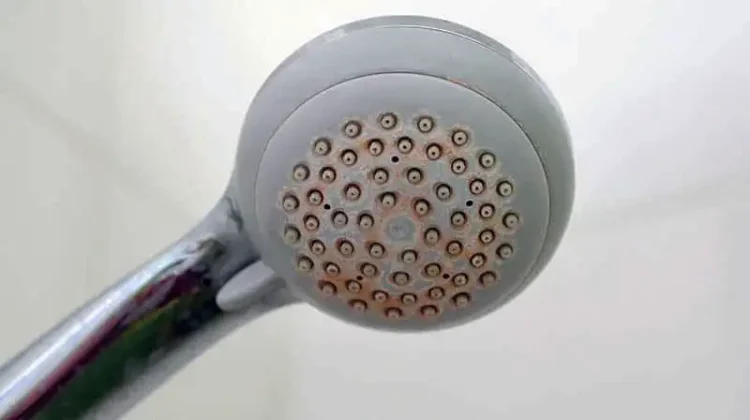
- Visible Clues: Hard water causes stubborn white scale stains on fixtures, soap scum buildup, and mineral crust on showerheads.
- System Impacts: Mineral scale restricts water flow (reducing pressure), clogs lines, coats water heater heating elements (reducing efficiency and lifespan), and creates pressure points that cause pipe leaks.
- Hard Water Treatment Methods:
- Ion-Exchange Softeners: The most effective continuous treatment; exchanges calcium/magnesium ions for sodium or potassium using resin beads, but requires routine salt additions and system backwashing.
- Magnetic Conditioners: A low-maintenance, chemical-free option installed directly on pipes that alters mineral behavior to reduce scaling, though generally less thoroughly effective than ion exchange.
- Chemical Treatments: Additives placed in fresh-water holding tanks keep minerals suspended to mitigate scale buildup, but require ongoing replenishment and maintenance.
- Preventative Maintenance Practices:
- Routine System Flushing: Regularly flush clean water through all lines and fixtures to clear loose mineral sediment.
- Targeted Cleaning & Leak Checks: Use mild descaling solutions to clean showerheads/aerators, and routinely inspect plumbing joints for leaks caused by mineral-induced pressure.
- Professional Care: Schedule annual plumbing inspections with an RV technician to check water pressure, clean internal lines, and protect expensive appliances.
- The Science & Measurement of Hard Water:
As a seasoned RV enthusiast, you know the importance of maintaining your RV’s plumbing system. However, have you ever stopped to consider the quality of the water you are using?
Hard water can wreak havoc on your RV’s plumbing system, causing clogs, damage, and reduced lifespan. In this article, we’ll examine the hard truth about hard water and your RV’s plumbing.
The Science of Hard Water
Hard water is a common issue that can affect the quality of your RV’s water supply. Hard water is water containing high levels of minerals, primarily calcium and magnesium. These minerals can accumulate in your RV’s plumbing system, leading to clogs, reduced water pressure, and damage to your appliances.
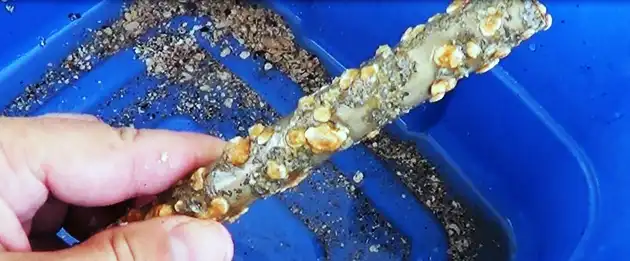
The presence of minerals in water is caused by the natural process of water flowing through mineral-rich areas, such as limestone or chalk. As water passes through these areas, it picks up minerals, which then become dissolved in the water. The more minerals that are present, the harder the water becomes.
The Hardness Scale
The hardness scale is used to measure the amount of minerals present in water. The scale is measured in parts per million (ppm) and ranges from 0-60 ppm for soft water, 61-120 ppm for moderately hard water, and 121+ ppm for hard water.
Soft water is considered the most desirable type of water because it is free of minerals that can cause problems in your plumbing system. Moderately hard water may not cause significant issues but can still cause buildup and staining over time. Hard water, on the other hand, can cause serious issues with your plumbing system and appliances.
While not perfect, the hardness scale is a useful tool for understanding the mineral content of your RV’s water supply and identifying potential hard water issues.
Signs That Hard Water is Affecting Your RV’s Plumbing
Hard water can cause numerous issues for your RV’s plumbing system, including clogs in pipes and damage to water heaters and other appliances. The minerals in hard water can also reduce the lifespan of plumbing components and cause soap scum and scale buildup.
- Stains on Plumbing Fixtures: Hard water leaves unsightly stains on your RV’s plumbing fixtures, including sinks, faucets, and toilets. These stains may be tough to remove and can make your RV look dirty and unkempt.
- Buildup on Showerheads: Mineral buildup can accumulate on your RV’s showerhead, reducing water pressure and making it difficult to get a good shower.
- Reduced Water Pressure: As minerals accumulate in your RV’s pipes, they can reduce water pressure, making it difficult to get enough water for everyday use.
- Soap Scum and Scale Buildup: Hard water can make it difficult to lather soap, and it can leave behind a film of soap scum and scale buildup on your RV’s surfaces, making it difficult to clean.
Effects of Hard Water on Your RV’s Plumbing
Mineral buildup can reduce the lifespan of your RV’s plumbing components, leading to costly repairs or replacements. Hard water can cause corrosion, rusting, and degradation of pipes, valves, and other plumbing components, leading to leaks and malfunctions.
Here are some of the problems you might encounter:
- Clogs in Pipes: Mineral buildup can cause clogs in your RV’s pipes, reducing water flow and causing backups.
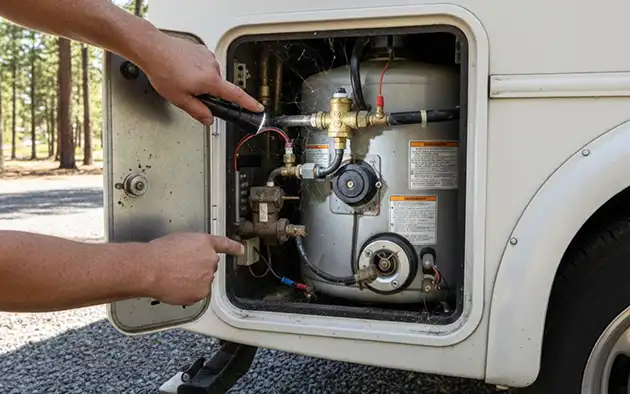
- Damage to Water Heater: Mineral buildup in your RV’s water heater can reduce its efficiency and lifespan, leading to costly repairs or replacement.
- Leaks in Plumbing: The increased pressure caused by mineral buildup in your RV’s plumbing system can lead to leaks, resulting in water damage to your RV.
Ways to Soften Hard Water in an RV
| Method | How it Works | Maintenance Required | Pros | Cons |
| Water Softeners | Use ion exchange to remove minerals from the water | Regular salt or potassium additions, flushing | Provides a continuous supply of softened water | Requires periodic maintenance and salt or potassium additions |
| Magnetic Water Conditioners | Use magnets to alter the chemical structure of minerals in the water | Low maintenance | Easy to install and no need for chemicals or salt | May not be as effective as other methods |
| Chemical Treatment | Add chemicals to the water to keep minerals in suspension | Regular maintenance | Can be effective in reducing effects of hard water | Can add to the cost of maintaining RV’s water system |
Water Softeners
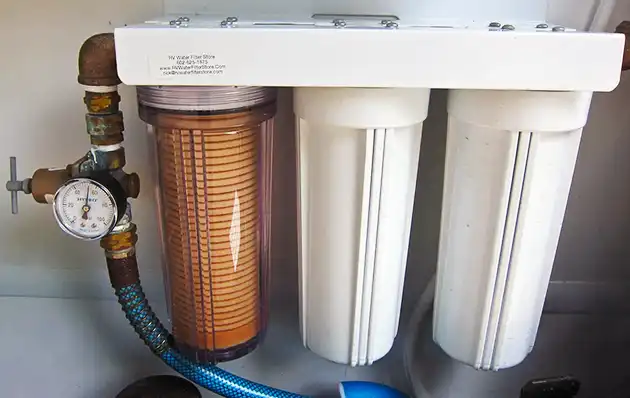
Rural campsites and RV parks often get their water from wells, making water softeners one of the most popular options for treating hard water in RVs. They work by removing minerals from the water through a process called ion exchange. Water softeners have a resin tank filled with resin beads that attract and hold onto mineral ions such as calcium and magnesium.
As the water flows through the tank, the mineral ions are exchanged for sodium or potassium ions, effectively removing them from the water.
The softened water then flows through the RV’s plumbing system, providing a continuous supply of softened water. Water softeners do require periodic maintenance, such as adding salt or potassium to the tank, and flushing the system to remove any accumulated minerals.
Magnetic Water Conditioners
Magnetic water conditioners are an alternative to water softeners that use magnets to alter the chemical structure of minerals in the water. These magnets are installed directly onto the RV’s plumbing system and create a magnetic field that affects the way the minerals behave.
This process prevents the minerals from building up in the plumbing system and reduces the scale buildup that is often associated with hard water. Magnetic water conditioners are easy to install and do not require any plumbing modifications.
They are also relatively low maintenance, with no need for chemicals or salt.
Chemical Treatment
Chemical treatments are another option for treating hard water in RVs. These treatments are typically added to the water tank and work by reacting with the minerals to keep them in suspension, preventing them from settling and causing buildup. Chemical treatments can be effective in reducing the effects of hard water, but they do require regular maintenance and can add to the cost of maintaining your RV’s water system.
Maintenance Tips for Your RV’s Plumbing
Regular maintenance of your RV’s plumbing system is essential to keep it functioning properly and prevent potential issues from arising. Here are some more details on the maintenance tips outlined in the article:
Flushing the System Regularly
Flushing may accumulate in the pipes and fixtures of your RV’s plumbing system, causing clogs and reducing water pressure. Flushing the system with clean water can help remove any buildup and keep your plumbing system running smoothly. Simply run clean water through each fixture and pipe for a few minutes to clear out any mineral buildup.
Cleaning Fixtures and Showerheads
Cleaning your RV’s fixtures and showerheads regularly can help prevent mineral buildup and stains. Hard water can leave unsightly stains on your fixtures and showerheads, making them look dingy and old.
Using a mild cleaning solution and a soft cloth, gently scrub away any buildup to keep your fixtures looking new. Be sure to rinse the fixtures thoroughly with clean water after cleaning to remove any cleaning solution residue.
Inspecting for Leaks
Regularly inspecting your RV’s plumbing system for leaks is important to prevent water damage and costly repairs. Look for signs of moisture or water stains around your plumbing fixtures and pipes, and repair any leaks promptly. Even small leaks can cause use damage over time, and catching them early can save you money and prevent more serious issues from arising.
Professional Maintenance
Having your RV’s plumbing system professionally inspected and maintained can help prevent issues and ensure that your system is functioning at its best. Consider scheduling an annual maintenance appointment with a qualified technician.
A professional technician can inspect your system for leaks and other issues, check the water pressure, and clean the fixtures and pipes to keep them in good working order. This can help prevent costly repairs and prolong the lifespan of your plumbing system.
Common Myths About Hard Water
Hard Water Is Safe to Drink:
While hard water is generally safe to drink, the minerals present in hard water can affect the taste and quality of water. Additionally, some studies suggest that consuming high levels of minerals in hard water may increase the risk of kidney stones.
Hard Water Doesn’t Affect Appliances:
Hard water can cause significant damage to appliances, including water heaters, dishwashers, and washing machines. Mineral buildup can reduce efficiency, increase energy consumption, and shorten the lifespan of these appliances.
All Water Softeners Are the Same
There are multiple types of water softeners available, each with their own advantages and disadvantages. Choose a water softener that is appropriate for your RV’s plumbing system and meets your specific needs.
Frequently Asked Questions
How do I know if the campground water I am hooked up to is considered “hard water”?
Water hardness is measured in parts per million (ppm) of dissolved minerals like calcium and magnesium. Water reading 0–60 ppm is soft, 61–120 ppm is moderately hard, and anything over 121 ppm is classified as hard water. Since many rural campgrounds draw from mineral-rich wells, hard water is very common in these areas.
What are the earliest warning signs that hard water is damaging my RV’s plumbing?
Common early indicators include noticeable drops in water pressure, stubborn white mineral crust on your showerhead, difficulty getting soap or shampoo to lather, soap scum film on sinks, and white or chalky stains on plumbing fixtures and toilets.
How does hard water specifically harm an RV’s water heater and pipes?
Dissolved calcium and magnesium settle inside pipes and water heater tanks over time. Inside the water heater, mineral scale coats the heating element, reducing its heating efficiency and leading to premature failure. Inside pipes, scale buildup causes clogs, increases internal pressure, and accelerates corrosion, which can trigger leaks throughout your RV.
Which hard water treatment option works best for an RV setup?
Portable ion-exchange water softeners are widely considered the most effective option. They pass hard water through resin beads that swap calcium and magnesium ions for sodium or potassium ions, delivering a continuous supply of softened water. While they require periodic salt refills and flushing, they provide superior protection compared to magnetic conditioners or chemical additives.
Is drinking hard water in an RV dangerous to my health?
Drinking hard water is generally safe and non-toxic, but high mineral concentrations can give the water an unpleasant metallic taste. Additionally, long-term consumption of extremely high mineral levels may increase the risk of kidney stones for sensitive individuals, so filtering or softening drinking water is often recommended.
Final Thoughts
Hard water is an unavoidable reality for RVers relying on rural campsite and well water supplies, but its destructive impact on plumbing and appliances is entirely preventable.
By understanding mineral scale behavior and implementing an appropriate softening method such as a portable ion-exchange softener, you can protect your water heater, maintain steady pressure, and avoid costly pipe repairs.
Coupled with routine line flushing and seasonal maintenance, managing water quality ensures your RV’s plumbing system remains reliable for years to come.