
Thank you for reading our post, please rate this article at the end.
Reading Time: 4 minutesLast Updated on October 28, 2026 by Paul Clayton
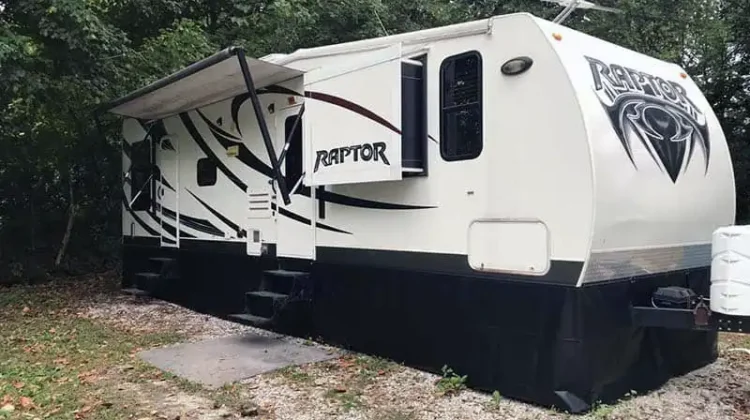
Skirting your RV in summer can keep it cooler and cut air conditioning use by shading the underbelly and blocking hot air from circulating under the floor. It also protects tanks, plumbing and tires from sun damage, keeps out rodents, snakes and debris, and creates shaded storage space. The trade-offs are cost, setup time, possible moisture buildup without ventilation, and campground rules, since some parks don’t allow skirting on short stays.
Table of Contents
Key Takeaways
| Benefit or concern | Key takeaway |
|---|---|
| Cooler interior | Shading the underside reduces heat transfer through the floor |
| Energy savings | Your AC may cycle less, saving power or generator fuel |
| Protection | Shields tanks, plumbing and tires from UV and heat |
| Pest control | Helps keep rodents, snakes and debris out from under the RV |
| Storage | Creates a shaded, hidden space for gear |
| Watch for | Moisture, campground rules, cost and setup time |
What Is RV Skirting?
RV skirting is a barrier that closes the gap between the bottom of your RV and the ground. Most RVers think of it as winter gear, but it works in summer too. Common types include:
- Vinyl snap-on skirting: custom-fitted panels that attach with snaps or fasteners. Very durable and often used long term.
- Inflatable skirting: tubes that inflate around the perimeter and pack away quickly, like AirSkirts.
- DIY skirting: foam board, plywood or tarps, which are cheaper but less polished.
- Shade screens: breathable mesh skirts for summer heat and privacy.

The 5 Benefits of Skirting Your RV in Summer
1. Keeps Your RV Cooler
Sun-baked ground and hot air under the RV heat the floor and tanks. Skirting shades that space and slows heat transfer into the living area, especially in RVs with thin floors.
2. Improves Energy Efficiency
A cooler floor means the air conditioner doesn’t have to work as hard. That can lower electric bills on metered sites and save fuel and battery power when running on a generator or solar.
3. Protects Plumbing, Tanks and Tires
UV rays and heat break down plastic tanks, hoses, wiring and tires over time. Skirting blocks direct sunlight from these parts. You may still want tire covers for the sidewalls.
4. Keeps Pests and Debris Out
The shaded space under an RV attracts mice, snakes and other critters looking for a cool hiding spot. Skirting also blocks blowing leaves, dust and trash. See our tips to rodent-proof your camper.
5. Adds Hidden Storage
Skirting creates a shaded area to stash hoses, chocks, bins and outdoor gear out of sight.
Why Summer Skirting Isn’t More Popular
- Cost: custom vinyl or inflatable kits can cost hundreds to well over a thousand dollars.
- Setup time: it doesn’t make sense for overnight stops.
- Moisture: without airflow, humidity can build up under the RV and lead to mold or rust. Choose breathable materials or leave vents.
- Campground rules: some parks ban skirting or allow it only for monthly or seasonal sites.
- Access: skirting can make it harder to reach hookups, tanks and storage.
Other Ways to Keep Your RV Cool in Summer
- Park in the shade and point the largest windows away from the afternoon sun.
- Use reflective window covers and awnings.
- Run vent fans to pull hot air out.
- Clean AC filters and coils.
- Add a soft start for better AC performance on weak power. See how a soft start helps.
- Cook outside to keep heat out of the RV.
RV Skirting Options to Consider
AirSkirts Inflatable Skirting
AirSkirts uses modular inflatable tubes placed around the RV and inflated with an electric pump. They require no drilling, set up and pack away fairly quickly, and come with a long warranty. They’re pricier than DIY options and work best on RVs with a fairly even ride height, so they can be less effective on tall fifth wheel front ends.
EZ Snap Vinyl Skirting
EZ Snap sells DIY vinyl skirting kits direct from the factory. Vinyl skirting is durable and works year-round, and DIY kits can cost less than custom-installed skirting.

Frequently Asked Questions
How do you secure RV skirting?
Vinyl skirting usually attaches with snaps or fasteners along the RV and weights, stakes or rails at the ground. Inflatable skirting stays in place by its own pressure and weight.
How do you weigh down RV skirting?
Use sandbags, water tubes, rocks or ground stakes along the bottom edge.
Is RV skirting allowed in campgrounds?
It depends on the park. Many allow it for long-term stays, but always ask first.
Can I DIY RV skirting?
Yes. Foam board, vinyl kits and tarps are common DIY options, though they take more time to fit.
Should I skirt my RV for a weekend trip?
Usually not. Skirting makes the most sense for stays of a few weeks or more.
Final Thoughts
Summer skirting isn’t just for snowbirds escaping the cold. If you’re parked for weeks in a hot, sunny spot, skirting can keep your RV cooler, protect key components and keep critters out. Choose breathable materials, check campground rules and combine skirting with shade and good ventilation for the best results.
Related reading: Easy RV Underbelly Insulation in 5 Steps and How to Keep RV Pipes From Freezing (10 Proven Tips).
Resources
- AirSkirts product information and FAQ
- EZ Snap RV skirting questions and answers
- The RV Geeks guide to inflatable RV skirting




