
Thank you for reading our post, please rate this article at the end.
Reading Time: 9 minutesLast Updated on February 23, 2026 by Paul Clayton
Table of Contents
How To Use Wild Lettuce For Survival
Key Takeaways
-
- Natural Pain Relief: The plant serves as a substitute for over-the-counter NSAIDs like aspirin or ibuprofen, effective for headaches, arthritis, and minor injuries.
- Versatile Medicinal Uses: Beyond pain, it acts as a mild sedative for insomnia and anxiety, a diuretic for urinary issues, and a respiratory relaxant for coughs and colds.
- Safety Profile: Unlike true opiates, wild lettuce is non-addictive and has no documented adverse reactions, though it should not be mixed with other sedatives or alcohol.
- Identification: It is a hardy plant that can grow up to 80 inches tall, with jagged-edged leaves tinged with purple, yellow dandelion-like flowers, and a distinct milky, sticky sap.
- Preparation Methods: * Tea: Made from dried leaves for a mild effect.
- Tincture: A concentrated liquid for fast absorption.
- Extract/Paste: Created by boiling leaves into a thick concentrate for long-term storage.
- Smoking: The fastest way to feel effects, though not recommended for those with respiratory issues.
- Survival & Trade Value: In a long-term survival scenario, the ability to harvest and process a natural painkiller makes it a high-value item for personal use and bartering.
- Legal Status: It is 100% legal to grow, buy, and use in the United States, as it is classified as an unscheduled substance.
Wild lettuce, also known as “poor man’s opium,” has been used for centuries for its medicinal properties. Harnessing its power can provide relief from various ailments, making it an excellent addition to your survival toolkit.
If you have just heard about wild lettuce, you might be asking yourself, “What in the world is wild opium lettuce?” and “Why should I even pay the slightest bit of attention to it?”
Wild Lettuce has quite a few unique properties, which may lead you to ask additional questions, such as, “Is it safe? How can you identify it? How do you prepare it?”
Wild Lettuce

This article aims to answer any questions you might have and educate you on one of the most incredible plants around.
Wild Lettuce, also known as Lactuca Virosa, has been used in medicine since ancient Greek times. The plant’s seeds, sap, and leaves are known to contain specific medicinal properties.
Evidence dates back to 430 BC, showing that Hippocrates, popularly known as the Father of Modern Medicine, knew the plant’s sap could relieve pain.
Fast forward a few centuries, and as the Civil War was leaving a wake of destruction across America, reliable supplies of opium were becoming difficult to come by, which in turn resulted in a surge in the popularity of Wild Lettuce
While the effects of wild lettuce are less pronounced than those of a natural opiate, many of the side effects associated with opium are not present, and the addictive properties are nonexistent.
It’s not surprising that interest in the plant resurfaced in the 1970s, but this time, it wasn’t a war that drove the increased attention.
As the hippie scene was in full swing across much of America, many sought the plant as a legal means of accessing a mild psychotropic, using the sap to get high.
To this day, it remains a popular option amongst those looking at non-traditional medicine or anyone interested in survival skills; it grows remarkably well in most parts of the world.
The Law and Wild Lettuce
If you’re lucky enough to live in the United States, you’ll be very glad to hear that Wild Lettuce is 100% legal to own, buy, trade, grow, and use.
It’s classified as an unscheduled substance, so you can do whatever you want. However, this is true of the USA; laws in other countries might differ, so please check the locally applicable laws before doing anything that might come back to haunt you.
What Can Wild Lettuce Be Used For?
Wild Lettuce has a variety of uses that go far beyond just being a painkiller, making it an incredibly valuable, naturally occurring asset.
Additionally, as there are no documented adverse reactions or addiction issues surrounding it, it’s safe to self-administer with little fear of anything untoward happening.
Pain Relief
The pain-reducing effects of this plant are well documented. Many civilizations have used it for thousands of years. Its power is roughly equal to that of aspirin or ibuprofen.
If you suffer from any long-term pain or would like to explore alternative pain relief options, then Wild Lettuce is well worth checking out.
We’ve had reports of people successfully treating hangovers, arthritis, minor bumps, and headaches with the plan. When it comes to pain, wild lettuce can handle it.
It is native to central and southern Europe and extends to the northern tip of Asia.
Like many of the weeds that follow a man around, it can now be found growing just about wherever the colonials touched the ground. The part used in medicine is the leaves, which are gathered in June or July, or before the plant flowers and seeds.
Diuretic Effects
The plant has been shown to positively affect a user’s urinary flow. As such, it can treat a range of urinary issues, such as edema and infections.
Stress or Insomnia
We’ve all been there before, lying in bed, tired but unable to sleep. This can be caused by stress, pain, or other reasons. Thankfully, wild lettuce might be the answer.
The plant’s sap has calming, soothing effects. After a couple of doses, you might find yourself slipping into a rejuvenating natural sleep, waking up refreshed and ready to face the day. If you combine
Panic or Anxiety
Sometimes, we all need a little bit of help overcoming anxiety. Perhaps you hate flying or are worried about a job interview; regardless of the cause, it’s never a pleasant experience.
Wild opium lettuce has relaxing properties, which might just be what you’re looking for. The mild sedative effects will calm nerves, relieve stress, and cause worry to leave your body, at least temporarily.
Coughs and Colds
Every year, once the colder weather arrives, it seems like a torrent of coughs and colds is released into our office, causing every last one of us to spit, cough, and feel thoroughly miserable.
Luckily, wild lettuce can relax the respiratory system, ease breathing, and clear the sinuses. It’s a godsend when you’re blocked and can provide a few hours of relief.
Recreational Use
We should add a disclaimer to this part, and we don’t want to promote the use of drugs or anything related to drugs.
However, Wild Lettuce is entirely legal to use and has been safely used for countless generations, so if you feel compelled to experiment with its psychoactive effects, you should be relatively safe to do so.
Please consult a trained medical practitioner before trying!
Preparing and Using Wild Lettuce

Preparing wild lettuce is not difficult; the main challenge is choosing the method that works best for you.
Tea from Dried Wild Lettuce
If you’re looking for a mild and gentle effect, a tea made from the leaves is probably recommended. It doesn’t taste too bad and can be mixed with other flavored teas to create the perfect cuppa.
You can also buy prepared Wild Lettuce teas online, saving you a lot of hassle.
Tincture Concentrate
A tincture is a fantastic way to carry wild lettuce with you; it is made from a concentrate, so a small amount can go a long way.
Drop some on your skin or in your mouth, and the medicinal effects will start to take effect quickly. As with tea, tinctured tea can be bought online.
Smoking Wild Lettuce
Smoking wild lettuce is one of the fastest ways to get the acting effects. Smoking is not great for your lungs, so if you have asthma or other breathing difficulties, you might want to stick to one of the different methods above.
Extracting the Active Ingredients
If you’d like to make your Wild Lettuce extract, the process is relatively simple and doesn’t require much equipment.
- Roughly chop or blend the plant’s leaves; you don’t want to overdo it, and you’re not aiming for a paste.
- Add the chopped leaves to a pot of boiling water.
- Simmer the leaves until the water turns a very dark green or brown.
- Strain the brew through a fine sieve into another pot.
- Press down on the leaves to extract as much water as possible.
- You can chuck out the boiled leaves.
- Put the strained mixture on the stove and boil until it forms a paste.
- This paste is the Wild Lettuce concentrate.
- Once cooled, add the paste to an airtight container and store it away from direct sunlight or extreme temperatures.
- Take a dose whenever it’s required.
- You can pour it into a vial and store it in your bug-out bag, medical cabinet, or elsewhere for later use.
How Much to Take?
Correct dosing is not set in stone; there are no official recommendations, and the product’s strength can vary widely. If you’re a large and frequent user, you’ll need to take larger doses to receive the same benefits as a smaller and infrequent user.
It’s advisable to start at lower doses and see what works for you. Roughly 100mg should be a good starting point for most people. Of course, you can take more if needed, but removing a dose isn’t easy. Remember, it is a drug, after all.
How to Identify Wild Lettuce
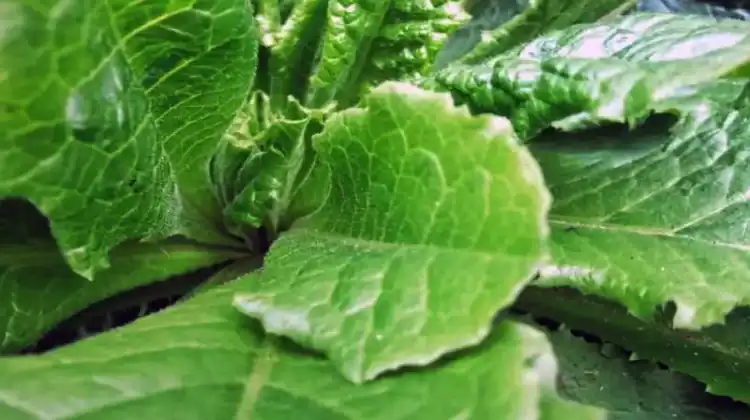
As the name suggests, Wild Lettuce is a relative of the common lettuce we add to our sandwiches. If left unrestrained and in excellent growing conditions, the plant can reach a lofty 80 inches, which is worth noting; this plant can be a beast.
Generally speaking, the plant is quite stout, with leaves tinged with purple. The broad, oval leaves have a distinctive jagged edge that is hard to miss.
You’ll likely catch the plant flowering between July and September in late summer. Its flowers are quite similar to dandelions, with the same vibrant yellow color.
Perhaps the most distinctive feature of the plant is its sap, which is milky, and if you rub it between your fingers, you’ll notice how sticky it is.
As with most things like this, a picture can paint a thousand words, so check out this short video explaining how to identify the plant.
This video has been included to clarify the topic. Credit goes to Feral Foraging
Grow Your Wild Lettuce
Growing wild lettuce is an effortless task requiring little skill or dedication. The plants are pretty hardy and forgiving of even the most unskilled gardener.
Buy some seeds online. There is quite a range available from Amazon, so it’s as good a place as any other.
It’s best to sow the seeds in Spring in pots or, if you have space, in a prepared flower bed. Plant the seeds roughly 6 inches apart and cover lightly with soil.
Provide a light sprinkling of water and keep them moist until the plants are well established. While they grow, ensure they never completely dry out, have plenty of sunlight, and allow them to do their thing; it takes time to develop.
Where to buy Wild Lettuce Online
More than a few online retailers are selling Wild Lettuce in various forms. Check them out and see which ones appeal to you, or check them out here.
Wild Lettuce in a Survival Situation
Wild lettuce is widely available and offers a range of benefits, most noticeably pain relief. Therefore, it can be used in a variety of survival situations.
If the worst came to the worst and society devolved into a largely lawless world, having a stockpile of wild lettuce might give you an edge over everyone else.
It’s a major bonus to be able to trade an effective pain reliever without relying on complex manufacturing processes. You might find your stockpile of Wild Lettuce, which is highly sought after, puts you in a strong position to trade other essential items such as food and shelter.
Frequently Asked Questions
Q: Is Wild Lettuce as potent and addictive as actual opium?
No. While it is nicknamed “poor man’s opium” due to its sedative and pain-relieving effects, its potency is much lower—roughly equal to aspirin or ibuprofen. Most importantly, unlike natural opiates, wild lettuce is non-addictive and does not carry the same risk of severe side effects or dependency.
Q: How do I identify Wild Lettuce and distinguish it from other plants?
Wild lettuce is a hardy plant that can reach up to 80 inches in height. Key identifiers include:
- Leaves: Broad, oval, and tinged with purple, with distinctive jagged edges.
- Flowers: Small, vibrant yellow flowers similar to dandelions that bloom between July and September.
- Sap: Its most unique feature is a milky, sticky white sap that appears when the plant is broken or rubbed.
Q: Are there any safety risks or people who should avoid using it?
Yes. You should not use wild lettuce if you are already taking sedating substances, including alcohol, opioids, or antihistamines (like Benadryl). Because wild lettuce has mild sedative properties, combining it with these substances can cause dangerous levels of drowsiness. Additionally, those with respiratory issues like asthma should avoid the smoking method of consumption.
Who Should Not Use Wild Lettuce?
Individuals who should not use wild lettuce are those who are currently on or regularly use sedating substances. These include, but are not limited to, alcohol, opioids, antihistamines such as Benadryl (diphenhydramine), and other soothing herbs or supplements.
The reason is that wild lettuce can enhance the sedative effects of these substances, leading to excessive drowsiness or other potentially dangerous side effects.
Therefore, these individuals should abstain from using wild lettuce to ensure safety and avoid negative interactions.

Final Thoughts
Wild lettuce is a powerful, legal, and easily accessible resource for anyone interested in herbal medicine or emergency preparedness. While it lacks the potency of pharmaceutical opiates, its lack of addictive properties and ease of cultivation make it a sustainable alternative for managing pain and stress.
As a natural sedative, it can mitigate anxiety and promote quality sleep, which is crucial for physical and mental health, especially in survival situations.
Furthermore, the edible leaves of wild lettuce are a valuable food source, rich in essential vitamins that can boost immunity and energy levels.
It also has therapeutic uses, such as treating respiratory issues by easing coughs and discomfort. Moreover, due to its potential antibacterial properties, wild lettuce may also be used against bacterial infections.
Therefore, learning to use wild lettuce for survival can equip one with knowledge of a versatile natural resource capable of addressing multiple health issues, from pain management to infection control.
Whether foraged in the wild or grown in a backyard garden, it remains a “godsend” for those seeking self-sufficiency in their medical toolkit. Wild lettuce enhances an individual’s survival skills and promotes natural and holistic approaches to health management.