Thank you for reading our post, please rate this article at the end.
Reading Time: 9 minutesLast Updated on November 7, 2026 by Paul Clayton
Table of Contents
5th Wheel Brands to Avoid
Warning Signs, Owner Complaints, and Smarter Buying Tips
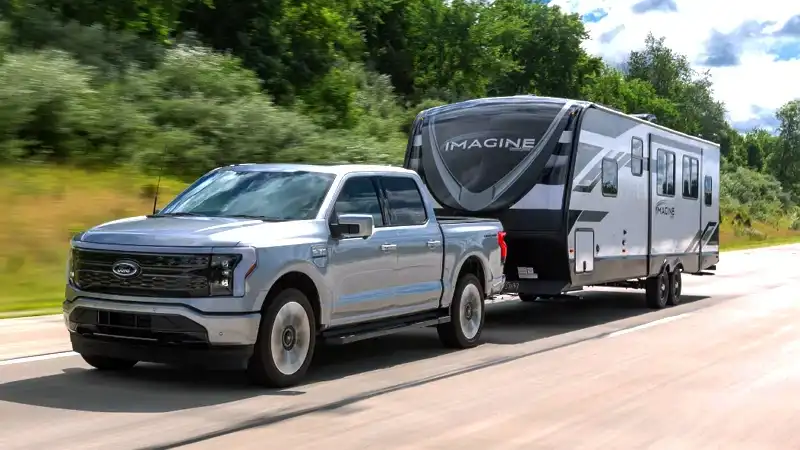
The 5th wheel brands to avoid are not a fixed list of bad companies; they are models and units with recurring, documented problems, so the smartest move is to research the exact model and inspect the trailer before you buy. Choosing a fifth wheel is a major decision for anyone planning weekend getaways, extended road trips, or full-time RV living. Although many recreational vehicle manufacturers offer attractive floor plans and modern amenities, some owners report problems with construction quality, water leaks, electrical systems, slide-outs, and warranty support. Knowing which fifth wheel brands deserve closer inspection can help you avoid costly surprises and choose a recreational vehicle that better fits your needs.
The phrase “5th wheel brands to avoid” does not mean that every RV made by a particular manufacturer is defective. Quality can vary between product lines, individual units, manufacturing periods, and previous owners’ maintenance habits. Instead of rejecting an entire company based on a few negative reviews, buyers should investigate recurring complaints and carefully inspect the specific fifth wheel they plan to purchase.
Key Takeaways
-
- Research brands carefully: No fifth wheel manufacturer is consistently perfect or universally unreliable. Quality varies by model, production period, maintenance history, and individual vehicle condition.
- Investigate recurring complaints: Look for repeated reports involving roof leaks, slide-out failures, electrical problems, plumbing issues, and poor workmanship.
- Inspect before buying: Examine the roof, walls, flooring, seals, appliances, plumbing, and electrical systems. Hire an independent RV inspector to identify potential problems before completing the purchase.
- Verify recalls and repairs: Check applicable safety recalls through official resources and request documentation of completed repairs, warranty claims, and maintenance.
- Prioritize water damage prevention: Water intrusion can cause expensive structural damage. Watch for soft floors, musty odors, ceiling stains, bubbling walls, and deteriorated seals.
- Check towing compatibility: Make sure your truck can safely handle the fifth wheel’s loaded weight, pin weight, payload requirements, and combined vehicle weight.
- Evaluate customer support: Research warranty terms, parts availability, dealer service quality, and access to qualified RV repair technicians.
- Consider total ownership costs: Account for maintenance, insurance, storage, tires, repairs, and towing equipment rather than focusing solely on the purchase price.
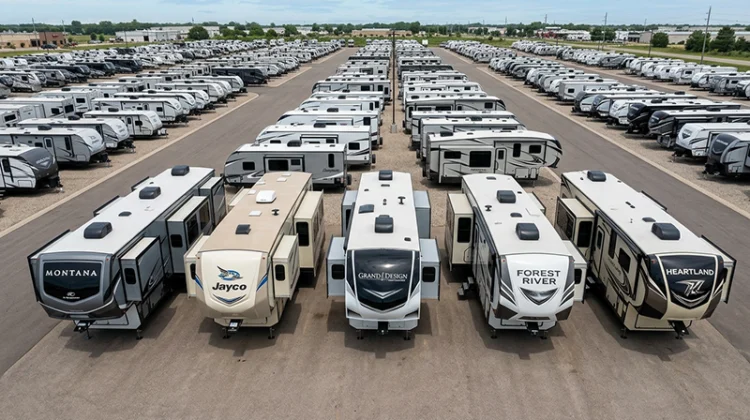
- Compare specific models, not just brands: Manufacturers such as Coachmen, Keystone, Jayco, and Forest River offer multiple product lines with different features and construction details. Assess each model individually.
- Use reliable research resources: Consult owner forums, RV marketplaces, manufacturer websites, recall databases, and independent inspection services to make an informed decision.
This guide examines eight brands commonly discussed among RV owners, explains the issues buyers should investigate, and provides a practical checklist for choosing a reliable fifth wheel. It also covers towing compatibility, warranty considerations, safety recalls, and useful resources for researching RVs before committing.
Understanding Fifth Wheel Quality Before You Buy
A fifth wheel is a towable recreational vehicle that connects to a compatible pickup truck through a specialized hitch mounted in the truck bed. These RVs often provide spacious living areas, separate bedrooms, residential-style kitchens, and storage capacity suited to longer trips. However, their larger size and complex systems create additional opportunities for maintenance problems.
Construction quality involves much more than attractive cabinets and comfortable seating. Roof integrity, floor strength, plumbing connections, electrical installation, slide-out alignment, and frame condition all contribute to long-term reliability. A fifth wheel that looks impressive in a showroom may still have problems that become apparent only after repeated travel or exposure to rain.
- RV Water and Waste: Complete Guide to Tanks, Toilets and Plumbing
- Best Pop Up Campers
- New vs. Used RV: Navigating the Price Trends
- How to Winterize an RV: Complete Step-by-Step Guide
- RV Air Conditioning Troubleshooting Guide
Buyers should also distinguish between a manufacturer defect and ordinary wear. A poorly maintained used RV may develop leaks or electrical problems even if it was originally assembled correctly. Likewise, a new RV may need adjustments without necessarily having a serious structural defect.

What Does It Mean When a Fifth Wheel Brand Is on an Avoid List?
An avoid list should be treated as a starting point for research rather than a definitive ranking of manufacturers. Online reviews often highlight frustrating experiences, while satisfied owners may be less motivated to publish feedback. Complaint totals also tend to favor larger manufacturers because they have more vehicles on the road.
The most useful information comes from repeated, specific reports about the same model or component. For example, multiple independent reports of water intrusion around a particular slide-out deserve more attention than a vague complaint about poor quality. Buyers should compare these reports with recall notices, service records, inspection findings, and the manufacturer’s response.
A documented safety recall is different from an owner complaint. The National Highway Traffic Safety Administration provides resources for checking applicable recalls, investigations, and safety complaints, although not every RV quality problem falls within its scope. Always verify the status of the individual vehicle rather than assuming that every unit from a manufacturer shares the same problem.
1. Coachmen: Investigate Construction and Finish Quality
Coachmen is an established RV brand with a broad product range, including towable recreational vehicles and motorhomes. Its fifth wheel offerings and related product lines should be evaluated individually because construction methods and equipment can differ between models. Some owners have reported concerns involving interior fit and finish, plumbing, slide mechanisms, and components that loosen during travel.
Problems Buyers Should Check
-
Cabinet and Hardware: Cabinet doors, drawer slides, screws, furniture attachments, and trim pieces deserve close inspection. Loose hardware can indicate routine maintenance needs, but repeated failures may suggest inadequate installation or previous repairs.
-
Plumbing: Run the faucets, inspect the sink connections, flush the toilet, and check accessible areas around the shower for moisture or staining. Any musty odor, soft flooring, swollen trim, or unexplained discoloration should prompt a more detailed inspection.
Is Coachmen Always a Brand to Avoid?
Not necessarily, because a negative experience with one model does not establish the quality of every Coachmen fifth wheel. Buyers should focus on the exact floor plan, production period, repair history, and condition of the vehicle being considered.
2. Keystone: Pay Attention to Slide-Outs, Seals, and Interior Components
Keystone is a well-known manufacturer with multiple fifth wheel product families serving different types of RV owners. Its range includes models designed for different budgets, layouts, and levels of equipment. As with other large manufacturers, buyers should not assume that every product line shares identical construction details or reliability characteristics.
Potential Areas of Concern
-
Slide-Outs: Slide-outs are among the most important systems to examine. Problems with seals, alignment, motors, wiring, or operating mechanisms can lead to water intrusion and expensive repairs.
-
Seals & Water Intrusions: Inspect the seals along the top and sides of each slide-out for gaps, tears, hardening, or signs of previous patching. Look for water stains inside near slide corners.
3. Winnebago: Verify the Exact Fifth Wheel Model
Winnebago is widely recognized in the recreational vehicle industry, but buyers should confirm which company and product line manufactured the particular RV they are considering. Brand portfolios and product categories can change, and a manufacturer’s reputation in motorhomes does not automatically establish the reliability of every towable model.
Construction and Electrical Checks
-
Structural Movement: Inspect interior walls, ceiling joints, trim, and exterior seams for visible movement or separation. Uneven wall surfaces, bulging panels, and soft flooring can indicate moisture damage.
-
Electrical Systems: Test interior lighting, outlets, converters, battery charging, and installed appliances. Flickering lights, repeated breaker trips, or damaged wiring require professional diagnosis.

4. Hurricane: Check the Product Category Before Comparing
Hurricane is a recreational vehicle model name associated with motorhomes, not a standalone fifth wheel brand in the conventional sense. Motorhomes and fifth wheels have different chassis arrangements, towing requirements, and maintenance considerations. Buyers searching for fifth wheel brands should avoid treating every RV model name as a separate fifth wheel manufacturer.
5. Jayco: Inspect Roof Seals, Plumbing, and Previous Repairs
Jayco manufactures a variety of recreational vehicles, including fifth wheels designed for different travel and camping needs. Its broad lineup means that construction, equipment, and interior features can vary significantly across product families.
Roof and Water Intrusion Risks
-
Water Damage: Inspect the roof membrane, seams, vents, skylights, front cap, and other roof penetrations for deterioration. Check ceilings, wall corners, cabinets, and flooring for staining, softness, bubbling, or musty smells.
-
Appliance Testing: Test the oven hood, refrigerator, plumbing fixtures, toilet, slide-outs, and electrical controls to verify operational safety and integrity.
6. Fleetwood: Check the Exact Model and Current Support Options
Fleetwood has a long history in the recreational vehicle industry and is commonly associated with motorhomes. Its name has also appeared across different product categories over time, so buyers should verify the type and manufacturer of any specific unit described as a Fleetwood fifth wheel.
7. Gulf Stream: Investigate Leaks, Fasteners, and Equipment Performance
Gulf Stream manufactures recreational vehicles across various product categories, and individual models can differ in layout, materials, and equipment. Some RV owners report concerns involving water leaks, interior hardware, and appliance reliability.
8. Forest River: Compare Product Lines and Inspect the Individual Unit
Forest River operates a broad portfolio of RV brands and product families, including Coachmen and other towable RV lines. Its fifth wheel offerings vary in equipment, layout, construction, and intended use.
Common Inspection Priorities
-
Water intrusion, floor softness, slide-out problems, cabinet installation, and electrical issues.
-
Underside inspection for damaged wiring, loose plumbing supports, corrosion, and frame integrity.
Key Factors for Selecting a Reliable Fifth Wheel
-
Research Owner Reviews: Look for repeated reports involving roof leaks, delamination, slide-out failures, electrical faults, and plumbing problems.
-
Examine Roof, Walls, and Flooring: Check for hidden moisture behind wall panels, soft spots near entries, and seal integrity.
-
Test Every Slide-Out: Verify mechanical alignment, motor operation, sealing, and historical maintenance.
-
Review Warranty & Dealer Support: Read written warranties thoroughly and research accessible local service facilities.
-
Confirm Truck Towing Capacity: Match the truck’s payload rating, gross combined weight rating, and towing capacity against the RV’s loaded weight.
-
Consider Camping Style: Balance layout size, climate suitability, and maneuverability based on whether you are a weekend camper or full-time traveler.
-
Evaluate Total Cost of Ownership: Factor in insurance, storage, maintenance, tires, repairs, and fuel.
Fifth Wheel Inspection Checklist Before You Buy
-
[ ] Verify the manufacturer, model, production year, and vehicle identification number.
-
[ ] Check applicable safety recalls and confirm that required repairs are documented.
-
[ ] Inspect the roof, sealant, windows, vents, and exterior seams.
-
[ ] Look for water stains, soft flooring, musty odors, and wall delamination.
-
[ ] Operate all slide-outs and inspect their seals and surrounding floors.
-
[ ] Test the plumbing system, faucets, toilet, shower, and water heater.
-
[ ] Test the refrigerator, furnace, air conditioner, stove, and other appliances.
-
[ ] Check batteries, charging systems, outlets, lights, and electrical controls.
-
[ ] Inspect tires, brakes, suspension, frame, and visible hitch components.
-
[ ] Confirm that the truck has adequate payload and towing capacity.
-
[ ] Review maintenance records, warranty documents, and repair invoices.
-
[ ] Arrange an independent pre-purchase inspection before finalizing the sale.

5th Wheel Brands to Avoid FAQ
What fifth wheel brands should I avoid?
There is no universally reliable list of fifth wheel brands that every buyer should avoid. Coachmen, Keystone, Jayco, Gulf Stream, and Forest River are among the manufacturers buyers may encounter when researching towable RVs, but quality varies by product line and individual unit. Investigate recurring model-specific problems and obtain an independent inspection before making a decision.
Is Forest River a bad fifth wheel brand?
Forest River has a broad range of RV products, so its name alone is not enough to determine the quality of a particular fifth wheel. Evaluate each model and unit individually.
Is Keystone a reliable fifth wheel manufacturer?
Keystone offers multiple fifth wheel product lines with different layouts and equipment. Buyers should inspect slide-outs, roof seals, flooring, electrical systems, and plumbing rather than assuming that all Keystone models share the same strengths or weaknesses. A well-maintained unit with a clean inspection report may be worth considering.
Are Jayco fifth wheels worth buying?
A Jayco fifth wheel may be worth considering if it meets your needs and its condition can be verified. Inspect roof seals, plumbing, appliances, slide-outs, and interior fixtures, and check for applicable recalls. Maintenance records and a professional inspection are more useful than relying on brand reputation alone.
What is the biggest problem to look for in a used fifth wheel?
Water intrusion is one of the most important problems to investigate because it can damage floors, walls, insulation, and structural materials. Check roof seams, windows, slide-outs, and areas around plumbing fixtures for stains, softness, or musty odors. An independent inspection can help identify visible evidence of hidden moisture damage.
Are newer fifth wheels better than older models?
Not automatically, because both new and used RVs can have construction defects or maintenance issues. A newer fifth wheel may offer updated features and less wear, while an older unit may have a documented repair history and proven performance. Compare the actual condition, maintenance records, safety status, and suitability of each RV.
Should I buy a fifth wheel with a history of repairs?
A repaired RV is not necessarily a poor purchase. The important questions are what failed, why it failed, how the repair was completed, and whether the problem has returned. Request invoices and supporting documentation, and have a qualified inspector assess major structural, electrical, plumbing, or safety-related repairs.
Is a professional RV inspection necessary before buying?
A professional inspection is strongly recommended, especially for a used fifth wheel or an expensive purchase. An inspector can evaluate accessible roof areas, walls, flooring, plumbing, electrical systems, appliances, slide-outs, and visible running gear. The inspection has limitations, so ask for a written report identifying the areas examined and any systems that could not be tested.
How do I check for fifth wheel recalls?
Start with the RV manufacturer’s recall lookup and the National Highway Traffic Safety Administration’s recall resources. Use the vehicle identification number when available and confirm whether applicable repairs have been completed. Also check equipment or component recalls when relevant, because some installed systems may have separate safety notices.
Final Thoughts
Model-Specific Assessment Over Brand Reputation: Relying solely on brand names or generalized “avoid lists” is insufficient. Evaluating the specific product line, production year, and documented service history provides the clearest picture of a fifth wheel’s true condition and value.
Proactive Moisture Prevention: Water intrusion remains the primary driver of catastrophic structural damage in towable RVs. Prioritizing thorough inspections of roof membranes, slide-out seals, window perimeters, and subflooring is essential to protecting your investment.
Systematic Pre-Purchase Diligence: Utilizing a comprehensive inspection checklist, verifying truck payload and towing compatibility, and hiring an independent certified RV inspector are the most effective strategies for preventing costly post-purchase repairs and ensuring a safe, reliable ownership experience.
Resources
- National Highway Traffic Safety Administration (NHTSA) recall database
- Forest River recall search
- National RV Inspectors Association (NRVIA)
- RV Industry Association (RVIA)
- Jayco owner resources
- Keystone RV owner resources
- Grand Design RV
- Alliance RV
- RV Trader and Camping World listings
- Amazon RV accessories and maintenance supplies
- iRV2 owner forums