
Thank you for reading our post, please rate this article at the end.
Reading Time: 9 minutesLast Updated on September 29, 2026 by Paul Clayton
Table of Contents
How to Read the RV Market (and Use It to Get a Better Deal)
Quick answer: The RV market moves in cycles driven by fuel prices, interest rates, and consumer confidence. When RV shipments slow and manufacturers report falling sales, dealers usually offer bigger discounts, which makes it a good time to buy. Meanwhile, campground demand often stays strong even when new RV sales drop, because owners keep their rigs longer and keep camping. Knowing how to read these signals can save you thousands and help you time your purchase, trade-in, or trip.
Key Takeaways
-
- Market Indicators for Buyer’s Leverage: Monthly RVIA wholesale shipment reports and quarterly RV RoadSigns forecasts serve as primary market barometers. Consistent declines in shipments or lowered industry forecasts indicate dealer overinventory, signaling prime conditions for buyer discounts and aggressive negotiating.
- Manufacturer Earnings Signals: Public financial reports from major manufacturers (e.g., THOR Industries, Winnebago Industries) offer direct market insights. References to “increased promotional activity” or “dealer inventory reductions” confirm that factory-backed rebates and dealer-level incentives are actively driving down end-user prices.
- Fuel & Interest Rate Impact on Demand:
- Fuel Prices: Surges in gasoline and diesel prices depress demand and soften resale values for heavy fifth wheels and Class A motorhomes, while accelerating buyer interest toward lightweight towables and Class B camper vans.
- Interest Rates: Elevated financing rates reduce overall buyer demand, prompting dealers to offer steeper purchase price discounts.
- Seasonal Timing: Late fall through winter represents the optimal buying window, as dealers actively discount prior-year inventory to clear lots following major industry trade shows (e.g., Hershey RV Show, Elkhart Open House).
- Campground Demand Divergence: Reduced new RV sales do not directly translate to lower campground occupancy. Existing owners adjust travel behaviors by taking shorter trips and extending stays, keeping campsite demand and site pricing resilient.
Grab a cup of coffee and pull up a camp chair. If you’ve ever wondered why an RV dealer was practically begging you to buy one year and wouldn’t budge on price the next, this one’s for you.
- New vs. Used RV: Navigating the Price Trends
- Can You Rent an RV for a Year?
- Today’s Best Pop-Up Campers
The RV industry isn’t random. It follows patterns, and once you know what to watch, you can spot a buyer’s market from a mile away. Let’s walk through how it all works in plain English.
What Are RV Wholesale Shipments, and Why Do They Matter?
RV wholesale shipments are the number of RVs manufacturers send to dealers, and they’re the single best indicator of where the market is heading. The RV Industry Association (RVIA) surveys manufacturers and publishes shipment numbers every month.
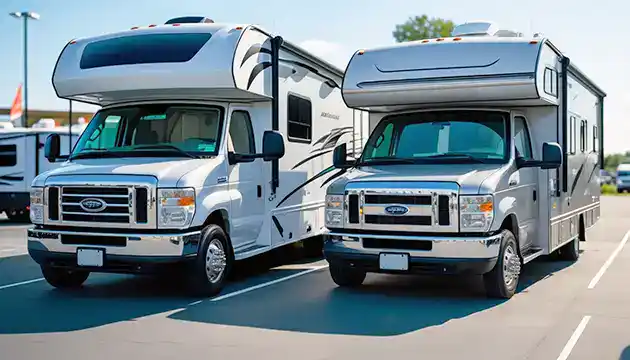
Think of shipments as the industry’s heartbeat. When dealers are selling a lot of RVs, they order more, and shipments go up. When sales slow down, dealers stop ordering because they don’t want lots full of unsold inventory. Shipments drop.
Here’s why that matters to you. When shipments fall month after month, it usually means dealers are sitting on inventory they need to move. That’s when the deals come out.
The monthly reports break things down by RV type, so pay attention to the details:
- Towables (travel trailers, fifth wheels, toy haulers, pop-ups) make up the vast majority of RVs sold. When towable shipments drop, it affects the most buyers.
- Motorhomes (Class A, B, and C) are more expensive, so they tend to get hit harder when money gets tight. Class A diesel pushers are often the first to feel it.
- Park model RVs are cabin-style units that mostly stay parked. They sometimes grow even when the rest of the market shrinks, because people choose to stay put in one place when travel gets expensive.
What Is the RV RoadSigns Forecast?
RV RoadSigns is RVIA’s quarterly forecast of RV shipments, prepared by ITR Economics. It projects how many RVs the industry expects to ship over the coming year, usually as a range with a middle estimate.
The forecast itself matters less than the direction it’s moving. If a new forecast comes in lower than the last one, the industry is telling you demand is weaker than expected. That’s a strong hint that manufacturers and dealers will get more aggressive with pricing.
If the forecast gets raised, demand is picking up, and discounts may start drying up.
How Do RV Manufacturer Earnings Affect Buyers?
When big RV manufacturers report falling sales and mention “promotional activity,” it means they’re spending more on discounts and incentives to move units, and that money ends up helping buyers.
The biggest RV companies are publicly traded, so they have to report results to investors. THOR Industries (parent of Airstream, Jayco, Keystone, Heartland, Thor Motor Coach, and others) and Winnebago Industries (Winnebago, Grand Design, Newmar, and others) are the two to watch.
You don’t need to be a stock market person to get value here. Skim the headlines in their earnings releases and look for phrases like these:
- “Increased promotional activity” means more rebates and dealer incentives.
- “Dealer inventory reductions” means dealers are thinning out their lots, often by discounting.
- “Softer retail demand” means fewer people are buying, so sellers have to work harder.
- “Material cost pressure” means building RVs is getting more expensive, which can push future prices up.
That last one is worth noting. A soft market can mean great deals on RVs already sitting on lots, even while next year’s models get pricier because of tariffs, steel and aluminum costs, and more expensive components like lithium batteries and inverters.
How Do Gas and Diesel Prices Affect the RV Market?
High fuel prices make people less likely to buy large RVs and more likely to buy smaller, lighter, more fuel-efficient rigs, or to travel shorter distances and stay longer in one spot.
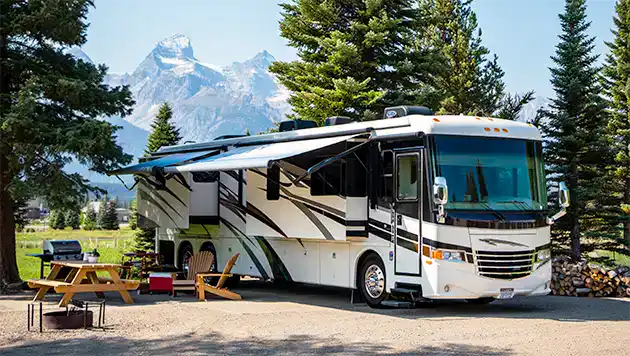
RVs aren’t exactly fuel sippers. A big motorhome might get single-digit miles per gallon, and a heavy fifth wheel can drag a truck’s fuel economy way down. So when fuel prices spike, RV buyers feel it right away.
Here’s an easy way to estimate fuel costs for any trip:
Total miles ÷ your MPG × price per gallon = trip fuel cost
Run that math on a big road trip with a heavy rig, and you’ll see why fuel prices change buying behavior so fast. It’s also why diesel price spikes hit the Class A diesel pusher crowd especially hard.
When fuel gets expensive, watch for these patterns:
- Demand for lightweight travel trailers and teardrops that can be pulled by an SUV goes up.
- Class B camper vans and compact Class C motorhomes get more attention.
- Manufacturers start designing more floorplans for small SUV and half-ton tow vehicles.
- Used prices on big, heavy rigs can soften, which is good news if that’s what you want.
You can check current national and state fuel averages anytime on AAA’s gas price tracker. And before you buy anything you plan to tow, run your numbers through our Towing Calculator.
How Do Interest Rates Affect RV Prices?
Higher interest rates raise monthly RV loan payments, which lowers demand and usually pushes dealers to offer bigger discounts. Lower rates do the opposite.
Most people finance their RVs, and RV loans often run 10 to 20 years. That long term means even a small rate change can noticeably move your monthly payment.
The Federal Reserve doesn’t set RV loan rates directly, but its decisions ripple through to banks, credit unions, and dealer financing. When the Fed raises rates, RV loans generally get more expensive. When it cuts, they generally get cheaper.
Here’s the catch: high rates often come with bigger discounts, while low rates bring more buyers and firmer prices. There’s no perfect time. The trick is to focus on the total cost of ownership, not just the sticker price or the monthly payment.
A few smart moves:
- Get pre-approved with a bank or credit union before you visit a dealer, so you have a real rate to compare against.
- Put more down if you can, especially when rates are high.
- Look for no-penalty loans so you can refinance later if rates drop.
Our 9 Tips for Finding the Best RV Financing goes deeper on this.
Why Can Campgrounds Stay Busy When RV Sales Drop?
When new RV sales slow down, people don’t stop camping. They keep the RVs they already own and use them more, so campground demand often stays strong or even hits new highs.
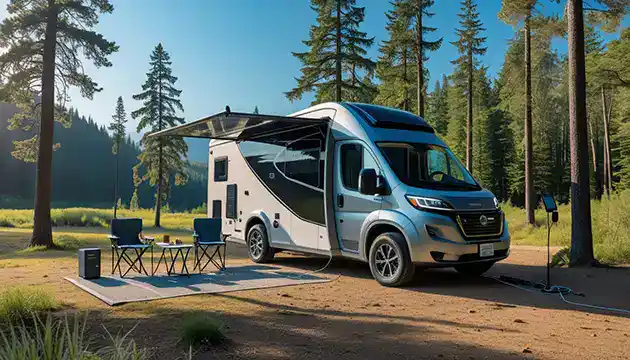
This surprises a lot of folks. You’d think fewer RV sales would mean emptier campgrounds, but it usually doesn’t work that way. There are millions of RVs already out there, and their owners still want to travel.
In tougher economic times, you’ll often see:
- More camping closer to home instead of cross-country trips.
- Longer stays in one spot to save on fuel.
- Last-minute bookings, as people make travel decisions closer to their trip dates.
- Premium sites (waterfront, full hookups, 50-amp) holding their prices better than standard sites.
Campground pricing also follows the seasons. Rates typically peak in summer, ease through fall, and then shift toward snowbird destinations in the South and Southwest for winter. Insider Perks publishes a monthly Outdoor Hospitality Pricing Index that tracks this if you want to watch the trends.
When Is the Best Time of Year to Buy an RV?
Fall and winter are traditionally the best times to buy an RV, because dealers want to clear out current-year models as next year’s models arrive.
Here’s how the typical RV calendar shakes out:
- Spring: Peak shopping season. Lots of buyers, less negotiating room.
- Summer: Travel and rental demand peaks. Dealers are busy.
- Fall: New model years roll out, and prior-year units need to go. This is prime deal season.
- Winter: Slower foot traffic, especially in cold climates. Great negotiating leverage.
Fall is also when the industry’s biggest shows happen. The Hershey RV Show in Pennsylvania is one of the largest public RV shows in the country, and the Elkhart Open House in Indiana is where manufacturers show dealers next year’s lineup. After those shows, dealers start making room for the new models.
When a soft market lines up with fall clearance season, that’s when buyers have the most leverage.
How Do You Use Market Signals to Get a Better Deal?
Watch for falling shipments, lowered forecasts, and manufacturer discounting, then shop in fall or winter with financing already lined up and negotiate firmly.
Here’s your game plan:
- Check the latest RVIA shipment report. Several months of declines mean dealers have inventory to move.
- Skim manufacturer earnings headlines. Mentions of promotions or inventory cuts mean discounts are flowing.
- Shop prior-year models when new model years arrive.
- Get pre-approved financing so you can negotiate on price, not payment.
- Right-size your rig for current fuel prices and your actual tow vehicle.
- Consider used. A soft new-RV market often spills over into better used prices too. See Why Now Is the Right Time to Buy a Used RV.
- Check for recalls on any RV you’re considering using the NHTSA recall lookup.
- Budget for the whole picture: insurance, storage, maintenance, fuel, and campsites. Our Budgeting for RV Rentals and Ownership guide walks through it.
Not ready to commit? Renting is a great way to keep camping and test-drive floorplans before you buy. We compared the two biggest platforms in RVShare vs Outdoorsy.

Frequently Asked Questions
Is a slow RV market a good time to buy?
Usually, yes. When sales slow down, dealers and manufacturers offer bigger discounts and incentives to move inventory. Just make sure the monthly payment and total ownership costs fit your budget, especially if interest rates are high.
Where can I find official RV industry sales data?
The RV Industry Association publishes monthly wholesale shipment reports and a quarterly RV RoadSigns forecast on its website. Publicly traded manufacturers like THOR Industries and Winnebago Industries also release quarterly earnings reports.
Do RV prices go down when gas prices go up?
Often, yes, for larger rigs. High fuel prices reduce demand for big motorhomes and heavy fifth wheels, which can lead to discounts on those models. Meanwhile, demand for lightweight trailers and camper vans may hold steady or rise.
Why are new RVs still expensive when sales are down?
Building RVs has gotten more expensive due to material costs, tariffs on steel and aluminum, labor, and pricier components such as lithium batteries, solar panels, and inverters. Dealers may discount current inventory, but base prices on new model years can still climb.
What’s the best month to buy an RV?
Late fall through winter is traditionally the best time, especially after new model years are announced and dealers need to clear older inventory. Cold-climate dealers often have the slowest foot traffic and the most flexibility in winter.
Should I buy new or used in a soft market?
Both can be good deals. New RVs get bigger discounts in a slow market, but used RVs still avoid the steepest early depreciation. Compare total cost, warranty coverage, and condition before deciding.
Final Thoughts
-
Strategic timing combining seasonal fall/winter inventory clearance with broader market indicators like falling shipments and high interest rates yields the highest buyer leverage for purchasing an RV.
-
Assessing total cost of ownership requires balancing initial purchase discounts against ongoing variables, including fluctuating fuel costs, long-term loan interest, component cost inflation, and steady campsite rates.
-
Buyer tactics such as securing third-party pre-approved financing, right-sizing towable weights to existing tow vehicles, and evaluating late-model used inventory maximize total value regardless of current market cycles.