Thank you for reading our post, please rate this article at the end.
Reading Time: 3 minutesLast Updated on November 2, 2026 by Paul Clayton
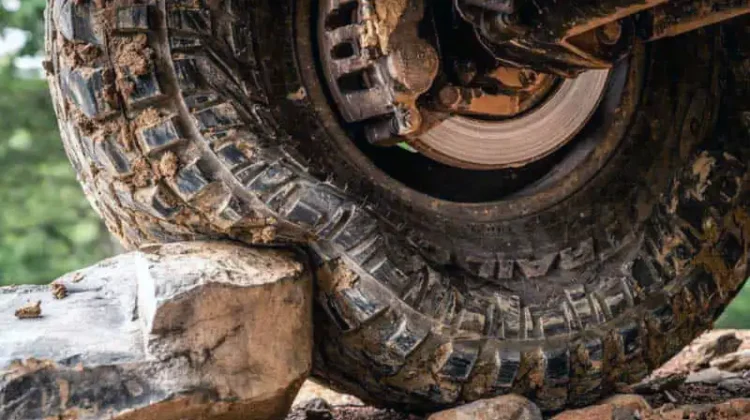
Do you have to air down when off roading? You don’t have to, but airing down is one of the best things you can do on sand, mud, snow and rocks, because lower pressure lengthens the tire’s footprint for more traction, a smoother ride and fewer punctures. Many trucks and SUVs run roughly 15 to 25 PSI on trails, with soft sand sometimes lower. Go lower only with care or beadlock wheels, and always air back up before driving on pavement.

Table of Contents
Key Takeaways
| Terrain | Typical trail pressure (trucks and SUVs) |
|---|---|
| Gravel and dirt roads | About 25 to 30 PSI |
| Rocks and trails | About 15 to 20 PSI |
| Mud | About 15 to 20 PSI |
| Soft sand and snow | About 12 to 18 PSI |
| Beadlock wheels | Can go lower, often single digits for experts |
These are general ranges. Vehicle weight, tire size and load range all change the right number.
Why Air Down When Off Roading?
- More traction: A longer, wider contact patch grips better.
- Better flotation: Wider footprint keeps you on top of sand and snow.
- Smoother ride: Softer tires absorb bumps and rocks.
- Fewer punctures: Tires wrap around sharp rocks instead of getting pierced.
- Less trail damage: Less wheel spin means fewer ruts.
When Should I Air Down?
Air down at the trailhead before you hit sand, mud, rocks or snow. On smooth dirt roads, a small drop for comfort is enough. Skip airing down if you’ll be on pavement or at highway speeds.

What Is the Ideal PSI?
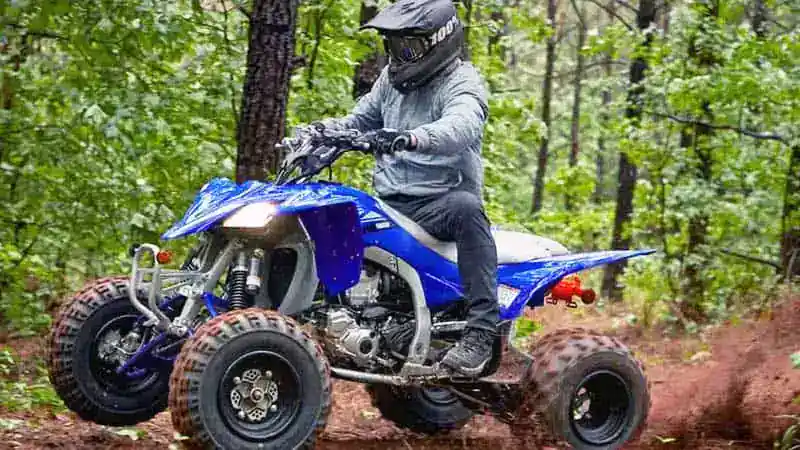
Start around 20 PSI for general trail use and adjust. If the tire looks badly squished or the sidewall bulges a lot, add air. If you’re still losing traction, drop a few PSI at a time. Lighter vehicles and ATVs use much lower pressures; check your owner’s manual.
Effects of Airing Down Too Much
- Tires can roll off the bead, especially in turns
- Sidewalls are more exposed to cuts
- Rims are more likely to hit rocks
- Steering gets sluggish
- Overheating and damage if you drive fast
How to Air Down and Air Up
- Use a tire deflator or gauge to lower each tire evenly.
- Check all four tires with an accurate gauge.
- Drive slowly on the trail.
- Reinflate with a portable compressor before pavement.
Pair airing down with good tires and protection: see are off-road tires good on the road, maintaining off-road tires, using recovery boards and off-roading in Michigan.
FAQ: Do You Have to Air Down When Off Roading?
Is it bad to off-road without airing down?
It’s not bad, but you’ll have less traction, a harsher ride and more puncture risk.
How low can I air down without beadlocks?
Many drivers stay around 15 PSI or higher to avoid losing the bead.
Do I need to air down for gravel roads?
A small drop helps ride comfort, but it isn’t required.
How long does it take to air back up?
With a good portable compressor, often a few minutes per tire.
Final Thoughts
You don’t have to air down when off roading, but it makes a big difference in traction, comfort and tire protection. Air down for the terrain, watch for bead and sidewall problems, and always air up before the drive home.
Resources
- Tire manufacturer off-road pressure guidance
- Vehicle owner’s manuals