Thank you for reading our post, please rate this article at the end.
Reading Time: 4 minutesLast Updated on November 15, 2026 by Paul Clayton
The fastest ways to improve RV gas mileage are to slow down, keep tires properly inflated, travel lighter, and drive smoothly. Dropping from 70 mph to around 60 to 62 mph alone can noticeably improve mileage on a big, boxy RV, because wind resistance rises sharply with speed. Add regular engine maintenance, smart route planning and less idling, and many RVers see meaningful savings over a season.
Typical RV fuel economy
| RV type | Approx. MPG |
|---|---|
| Class A gas | 6 to 10 |
| Class A diesel pusher | 7 to 12 |
| Class C | 8 to 14 |
| Class B camper van | 15 to 25 |
| Truck towing a travel trailer or fifth wheel | 8 to 14 |
For model-specific numbers, see our guide to average Class C RV gas mileage.

Table of Contents
Key Takeaways
| Topic | Key takeaway |
|---|---|
| Slow down | Lower speeds save the most fuel |
| Weight | Carry only what you need |
| Tires | Keep tires at the correct pressure |
| Maintenance | Clean filters and regular service help mileage |
| Plan routes | Avoid steep grades and traffic when possible |
10 Easy Ways to Conserve Fuel in Your RV
1. Slow down
Aerodynamic drag grows rapidly with speed, and RVs are shaped like bricks. The U.S. Department of Energy notes that fuel economy usually drops quickly above 50 mph in passenger vehicles, and the effect is bigger for tall, wide rigs. Cruising around 60 to 62 mph instead of 70 is one of the biggest savings you can make. It’s also safer, especially when towing.
2. Keep tires properly inflated

Underinflated tires increase rolling resistance, waste fuel, and run hotter, which raises blowout risk. Check pressure cold before each travel day using the inflation chart for your actual weight. A tire pressure monitoring system makes this easy.
3. Travel lighter
Every extra pound takes fuel to move, especially uphill. Water weighs about 8.3 pounds per gallon, so travel with just enough fresh water to get to camp, and dump tanks before you leave. Clear out gear you never use.
4. Drive smoothly
Fast starts and hard braking waste fuel. Accelerate gently, look far ahead, and coast to stops. On hills, let speed drop a little on the climb rather than flooring it.
5. Use cruise control on flat roads
Cruise control holds a steady speed on level highways. On rolling hills, though, it can downshift and rev hard to maintain speed, so manual control can be more efficient there.
6. Keep up with engine maintenance
Change oil with the recommended grade (see RV recommended oil weight), replace air and fuel filters, and keep the engine tuned. A clogged air filter or worn plugs can hurt mileage and performance.
7. Cut idling
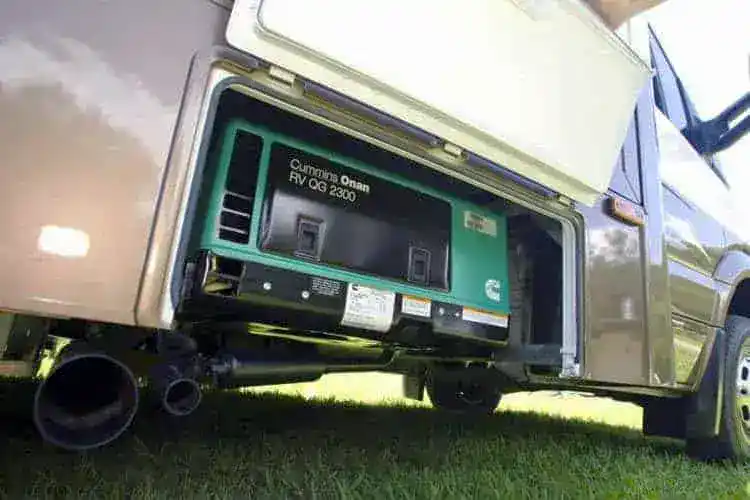
Idling burns fuel while going nowhere. Shut the engine off during long stops, and use the generator or house batteries instead of idling the engine for air conditioning when parked, where allowed.
8. Reduce drag
Remove roof-mounted gear you don’t need, close windows at highway speed, and keep bikes or cargo carriers as low and tucked-in as possible. On towables, a tow vehicle with a cab-height cap or air deflector can help.
9. Plan routes and fuel stops
Fewer miles is the simplest savings. Avoid steep detours and rush-hour traffic, and use fuel apps to find cheaper fuel with RV-friendly access along your route. Staying longer at each campground also cuts total fuel use.
10. Monitor your mileage
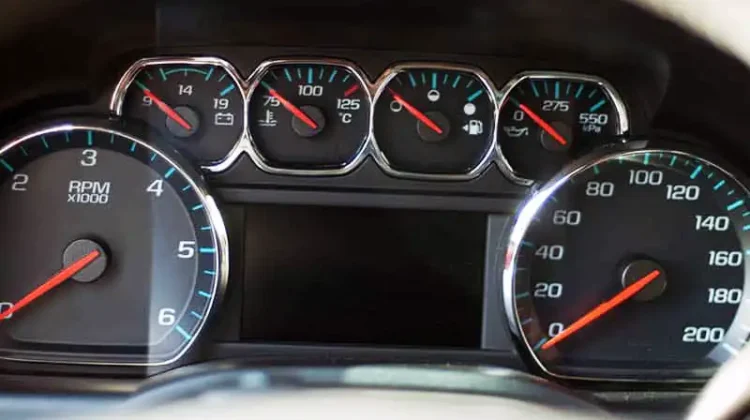
A real-time gauge shows you how speed and driving style affect fuel use. Compare popular options in our ScanGauge vs. UltraGauge review.
How Much Can You Save?
Example: a Class C driven 5,000 miles a season at 10 mpg uses 500 gallons. Improving to 11 mpg with slower speeds and better tire pressure cuts that to about 455 gallons, saving roughly 45 gallons. At $3.50 to $4.50 per gallon, that’s about $160 to $200 per season, more for bigger rigs and longer trips.
Gas vs. Diesel RVs and Fuel Costs
Diesel engines usually get better mileage and more torque for towing, but diesel fuel often costs more and diesel maintenance is pricier. For high-mileage travelers, diesel’s efficiency can pay off; for occasional trips, gas is usually cheaper overall. Learn more about what counts as good mileage on a used RV.
Improve RV Gas Mileage FAQ
What speed is most fuel efficient for an RV?
Generally around 55 to 62 mph on the highway. Above that, mileage drops off quickly.
Do fuel additives improve RV mileage?
Most offer little measurable benefit in a well-maintained engine. Regular maintenance and good driving habits matter far more.
Does running the generator while driving use more fuel?
Yes. A generator draws from the same fuel tank on most motorhomes, so run it only when needed.
Does towing a car hurt my motorhome’s mileage?
Yes, typically by a mile or two per gallon, more in hills or wind.
What should I do if I run low on fuel?
Plan fuel stops ahead in remote areas, and consider RV roadside assistance for emergencies.
Final Thoughts
You can’t make an RV light and sleek, but you can save fuel. Drive slower, pack lighter, keep tires inflated and stay on top of maintenance.
Resources
- U.S. Department of Energy, fueleconomy.gov driving tips
- U.S. Department of Energy fuel economy tips (fueleconomy.gov)
- Tire manufacturer inflation guidance