
Thank you for reading our post, please rate this article at the end.
Reading Time: 8 minutesLast Updated on December 16, 2025 by Paul Clayton
Table of Contents
RVing Smart Hacks for a Stress-Free Adventure
Key Takeaways
- RV travel works best when you treat your rig as a home on wheels, not just a vehicle with beds and cabinets. That mindset shift alone reduces significant frustration.
- Organization is everything. When every item has a place, and you unpack immediately, your RV feels calmer, larger, and easier to live in day after day.
- Storage problems aren’t solved by buying more gear; they’re solved by using space vertically, choosing collapsible items, and being intentional about what comes into the RV.
- Weather comfort doesn’t happen by accident. Smart parking, airflow, insulation, and simple habits such as cooking outdoors or sealing windows make a significant difference in both hot and cold conditions.
- Daily routines, quick cleanups, system checks, and simple habits help prevent minor issues from escalating into stressful problems on the road.
- RV safety is about awareness, not fear. Knowing your rig, avoiding driver fatigue, parking legally, and securing doors and windows creates peace of mind wherever you stop.
- Slowing down is the most powerful RV hack of all. Staying longer, exploring locally, and letting go of rigid schedules lead to more profound experiences and stronger memories.
- Fire prevention and electrical safety should never be overlooked. Proper equipment, regular maintenance, and smart charging habits protect both your RV and everyone inside it.
RV travel looks effortless from the outside. You see photos of rigs parked next to lakes, coffee mugs sitting on picnic tables, dogs stretched out in the sun, and sunsets framed perfectly through a windshield. What you don’t see are the little moments that teach you how RV life really works, the trial and error, the awkward first few days, and the quiet realization that living in a moving home requires a different way of thinking.
Frequently Asked Questions
Q: Is RV travel difficult for beginners?
RV travel can feel overwhelming at first, but it’s far from difficult once you settle in. Most challenges beginners face stem from overpacking, poor organization, and trying to do too much too fast. Once you treat your RV like a small home, create simple routines, and slow your pace, RVing becomes surprisingly comfortable and intuitive even on your first trip.
Q: What is the biggest mistake new RV travelers make?
The most common mistake is rushing. New RVers often try to visit too many places in a short amount of time, which leads to fatigue, stress, and missed experiences. RV travel rewards slower movement. Staying an extra night, organizing your space early, and allowing flexibility make the entire trip more enjoyable.
Q: How do you keep an RV comfortable in extreme heat or cold?
Comfort comes from preparation, not expensive upgrades. In hot weather, parking in the shade, ensuring proper ventilation, and minimizing heat-producing activities inside the RV make a significant difference. In cold conditions, sealing windows, using rugs and curtains, managing humidity, and staying active help keep the RV warm and livable. Minor adjustments add up quickly.
Q: How do you stay organized in such a small space?
Organization in an RV is about intention. Unpack immediately, give every item a specific home, and avoid bringing duplicates. Using vertical space, collapsible gear, hooks, and nesting kitchen items keeps clutter under control. When storage works well, daily life feels dramatically easier in the RV.
Q: Is RV travel safe for long trips?
Yes, RV travel is very safe when approached responsibly. Learning how your RV handles, avoiding driver fatigue, parking legally, locking doors and windows, and maintaining electrical systems all contribute to peace of mind. Simple safety habits go a long way in making long RV trips relaxed and worry-free.
- Today’s Best Pop-Up Campers
- New vs. Used RV: Navigating the Price Trends
- Can You Rent an RV for a Year?
RV travel is incredible, but it humbles you quickly
You learn fast that space matters, weather has opinions, and comfort doesn’t happen by accident. The good news is that once you understand a few core principles, RVing becomes easier, calmer, and far more enjoyable. Not perfect, just smoother. And smooth is what keeps you coming back for the next trip.

One of the best parts? You’re no longer racing anyone.
There’s no boarding pass to miss, no checkout time breathing down your neck, and no pets left behind. You wake up when you want, stop when something catches your eye, and linger when a place feels right. That freedom is addictive, but only if your RV feels like a place you actually want to live in.
That’s where the real hacks come in.
The Shift That Makes RV Travel Click
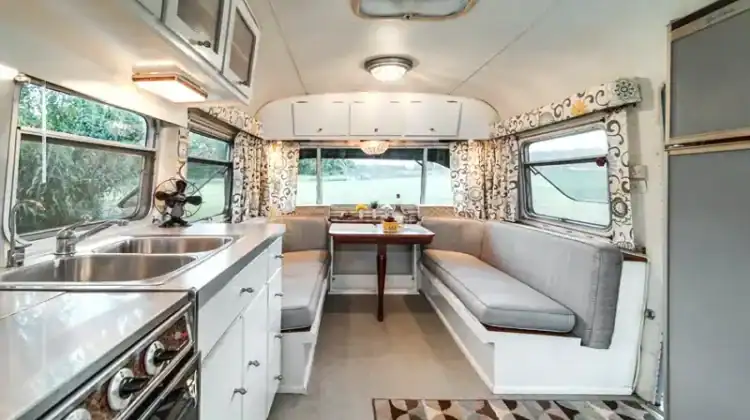
Most first-time RVers make the same mistake: they treat their RV like a car that happens to have a bed and a kitchen. In reality, it’s the opposite. Your RV is a home that moves.
Once that mental switch flips, everything gets easier.
You stop overpacking.
You stop rushing.
You stop fighting the space and start working with it.
The most seasoned RV travelers aren’t the ones with the biggest rigs or the newest gear. They’re the ones who’ve figured out how to make daily life simple inside a small footprint. They’ve learned how to store items so they don’t shift, how to cook without turning the rig into a sauna, and how to settle into a rhythm that feels natural rather than forced.
And rhythm is everything on the road.
Solo RVing vs. Family RVing: Two Very Different Experiences
Traveling solo in an RV quickly teaches you self-reliance. You become more aware of time, surroundings, and other travelers. You learn to arrive a little earlier, park a little smarter, and trust your instincts. Solo RVers often end up making unexpected campground friends simply because they’re approachable and present.
Something is grounding about that kind of travel, quiet mornings, slow coffee, and conversations that happen naturally because everyone’s living at the same pace.
Family RVing, on the other hand, feels like building a tiny village on wheels.
Suddenly, routines matter where shoes go matters. Who cleans up after dinner matters. When someone forgets to put something away, everyone feels it. But once those routines settle in, family RV travel becomes something special. Meals feel more intentional. Evenings feel cozier. And shared experiences, whether great or frustrating, become stories you laugh about later.
Either way, the RV teaches you to adapt.
Storage: Where RV Frustration Usually Starts
Storage is where most RV trips either begin smoothly or unravel quickly.
The mistake people make is waiting too long to organize. They’ll say, “We’ll deal with it later,” and then later turns into days of stepping over bags, searching for essentials, and feeling oddly unsettled in a place that’s supposed to feel like home.
The best thing you can do is unpack immediately.
Not perfectly, just intentionally.

When you place items where they’ll actually be used, something shifts. The RV starts to feel lived in rather than temporary. You stop opening cabinets cautiously. You stop worrying about things falling every time you hit a bump.
One simple habit that helps more than people expect is keeping a mental (or written) inventory, not in a rigid, obsessive way, just knowing what you have and where it lives. That awareness alone prevents duplicate purchases and unnecessary clutter.
Shopping on the road is tempting. You see clever gadgets everywhere. But RV life rewards restraint. If something new comes in, something old should go out. Otherwise, storage becomes a constant battle instead of a solved problem.
Cleaning works the same way.
People often view RV cleaning as a chore, but it’s actually easier than cleaning a house if you stay ahead of the task. Ten minutes a day keeps things comfortable. Skip it for three days, and suddenly the RV feels smaller than it really is.
Using Space Like an Experienced RVer
Experienced RVers don’t just store things; they hang them, stack them, collapse them, and repurpose space constantly.
A tension rod in a closet becomes extra hanging space. A door-mounted trash can frees up floor area. Nesting bowls turn a chaotic cabinet into something you can open while driving without fear.
You start thinking vertically instead of horizontally.
Hooks become your best friend. Command hooks hold everything from keys to towels to jackets. Pegboards turn blank walls into storage without drilling. Even a collapsible gear becomes part of your mindset. If it doesn’t fold, stack, or nest, it probably doesn’t belong.
What surprises most people is how quickly these systems become second nature. After a few days, you stop thinking about storage altogether.
When storage works, everything else becomes easier.
Temperature Control: The Silent Comfort Killer
Weather has a way of reminding you who’s in charge.

Hot days can turn an RV into an oven if you’re not careful. Cold nights can sneak up on you if you underestimate insulation. Managing temperature isn’t about fighting nature; it’s about working with it.
On hot days, parking becomes strategic. Shade isn’t just lovely, it’s functional. Protecting your refrigerator and air conditioner from direct sunlight helps them operate efficiently rather than constantly struggling.
Ventilation matters more than people realize. Roof vents, fans, and airflow can sometimes do the job without running the AC. Small changes, such as switching to LED bulbs or cooking outdoors, can dramatically reduce heat buildup.
Cold weather brings different lessons.
Windows leak warmth faster than you expect. Bubble wrap, thermal curtains, and rugs may not look glamorous, but they make a real difference. Cooking indoors adds warmth, and staying active provides more benefits than people realize. Even simple movement keeps your body warmer than piling on blankets alone.
Humidity sneaks in during cold weather, too. Condensation builds quietly, and before you know it, everything feels damp. A small dehumidifier solves that problem while keeping the air healthier.
The Daily RV Rhythm That Keeps You Sane
The easiest RV trips are the ones with simple routines.
Morning routines help you start the day without scrambling. Evening routines reset the space so tomorrow feels fresh. Knowing when to check tanks, power levels, and trash helps prevent surprises at the worst moments.
RV life rewards awareness, not obsession.
You don’t need to monitor everything constantly; you need to know what “normal” looks like for your rig. Once you do, problems announce themselves early, long before they become emergencies.
Safety: Peace of Mind on the Road
Feeling safe changes how you experience the trip.
Learning your RV before hitting the road makes a massive difference. Understanding wind limits, braking distance, and turning radius quickly builds confidence. Fatigue, not lack of skill, is the primary cause of most RV accidents. Knowing when to stop is just as important as knowing how to drive.
Parking is another place where experience matters. Not every spot welcomes RVs, and guessing wrong can create unnecessary stress. Truck stops, casinos, and private driveways (with permission) are often more welcoming than people expect, but rules matter, and asking first goes a long way.
Locks matter too.
Even in campgrounds, locking doors and windows is non-negotiable. A basic security system adds peace of mind, especially when you’re away exploring.
And yes, always carry a proper first-aid kit. Minor issues feel bigger when you’re far from familiar places.

The Most Important RV Hack: Slow Down
Here’s the part no checklist will ever tell you.
The best RV trips happen when you stop trying to “cover ground.”
Jumping from destination to destination makes RV travel feel like a race. Slowing down turns it into an experience. Staying an extra night, walking local trails, visiting small markets, talking to locals, those moments become the stories you remember.
Ride a bike.
Take a long walk.
Sit outside with no plan.
RV travel isn’t about being efficient. It’s about being present.
Fire Safety: One Area You Don’t Compromise
RV fires are rare, but when they happen, they escalate fast.
Installing a residual current device with your charging system adds a crucial layer of protection by cutting power when faults occur. Keeping charging equipment out of reach and regularly maintaining electrical systems prevents issues before they start.
This isn’t paranoia, it’s responsibility.
Final Thoughts
RV travel isn’t about doing everything perfectly; it’s about learning how to live comfortably in a smaller space while embracing freedom and flexibility.
When storage is organized, temperature is controlled, and safety feels solid, your RV stops feeling like a challenge and starts feeling like home.
The best RV trips aren’t measured by miles driven or destinations checked off; they’re defined by the moments you slow down enough to enjoy.
With the right mindset, simple systems, and a willingness to adapt, RV travel becomes less stressful and far more rewarding.
Take your time, trust the process, and let the road teach you what works best for you because that’s where the real RV experience begins.
Home page
Back to the top of the page