
Thank you for reading our post, please rate this article at the end.
Reading Time: 19 minutesLast Updated on February 12, 2026 by Paul Clayton
Table of Contents
Are RV Extended Warranties Worth It
Key Takeaways
-
- Top Provider Comparison: The article highlights two primary competitors: Good Sam (recommended for history and perks, but can be nitpicky) and Wholesale Warranties (cheaper, with higher satisfaction, but unavailable in California).
- Warranty vs. Insurance: An extended warranty covers mechanical failures (breakdowns), whereas RV insurance covers physical damage (collision, theft, weather). They are inverse protections.
- Types of Coverage: The main types are Exclusionary (covers everything except what is listed; best option), Listed Component (covers only what is listed), and Coach-Only (excludes engine/powertrain).
- Financial Nuances: Look for “per visit” deductibles rather than “per item.” Ensure the administrator is backed by an A-rated insurance company, not a risk retention group, to guarantee solvency.
- The “Pre-Existing” Trap: Warranties do not cover pre-existing conditions. It is highly recommended to get a professional inspection before buying to establish a baseline and avoid claim denials.
Frequently Asked Questions
-
What is the difference between an RV extended warranty and RV insurance? They cover opposite issues. RV insurance protects against physical damage caused by collisions, theft, or weather. An extended warranty covers mechanical breakdowns and failures that occur during normal use, not caused by accidents. The article suggests having both for maximum protection.
-
Why is an “Exclusionary” contract usually better than a “Listed Component” contract? An exclusionary contract covers every part of the RV except for specific items listed as “excluded.” This makes it much clearer what is covered. A listed component contract only covers the specific parts named in the document; if a part breaks and isn’t on that list, you have to pay for it yourself.
-
What does “Consequential Damage” mean, and is it covered? Consequential damage occurs when a non-covered part fails and damages a covered part. Most standard contracts do not automatically cover this damage. You must check the fine print or ask if the provider offers an option to add coverage for consequential damages.
-
Which deductible type should I look for: per-visit or per-item? You should look for a per-visit deductible. This means you pay one fee for the service visit, regardless of how many different repairs are done at that time. A “per-item” deductible charges you a fee for every single part that is fixed, which can get expensive if multiple things break at once.
-
Why should I get an RV inspection before buying a warranty? Warranties never cover “pre-existing conditions” (problems that existed before you bought the plan). A professional inspection documents the RV’s current condition, preventing the warranty administrator from later claiming a new breakdown was actually a pre-existing problem they don’t have to pay for.
- New vs. Used RV: Navigating the Price Trends
Should you get an RV extended warranty?
Who are the Best RV extended warranty providers? This is a hot topic not only among RVers but also among owners of all types of vehicles. And it’s understandable why – an extended warranty is a big investment.
If you’ve been thinking about protecting your RV with an extended warranty and have been looking for the best RV extended warranty providers, this material is for you. Below, we’ll provide you with a couple of options to consider and help you understand how to get a good deal.

Best RV extended warranty providers
There is no shortage of RV extended warranty providers. However, among them, only 2 seem to consistently satisfy their buyers: Wholesale Warranties and Good Sam. They aren’t perfect, but they do look better than other contract providers on the market.
Let’s now review the services of each, along with any downsides.
Good Sam Extended Service Plan (Highly Recommended)
Good Sam’s Extended Service Plan, which we think is better than an RV Warranty, is a renowned RV extended warranty provider. No wonder – this company has been on the market since 1935, after all. Over the years, they’ve had plenty of satisfied customers, as well as some dissatisfied ones, primarily because Good Sam is very nitpicky about claims and contract definitions.
One thing you instantly notice about Good Sam’s is how much info they have on their website about their warranty plans. In particular, they provide information on qualifications for RV owners and list what is and is not covered by their plans. From the get-go, you are getting more information to analyze with Good Sam.
Good Sam offers warranty plans for motorhomes, trailers, 5th wheels, and pop-ups. For each plan, Good Sam provides a list of what is and is not covered, along with the qualifications your RV must meet. But unlike Wholesale Warranties, Good Sam doesn’t seem to offer a coach-only plan.
Good Sam refers to their warranty plans as insurance, probably to make them stand out from competing plans. However, their plans are indeed warranties since they only cover mechanical failures, not failures caused by physical damage.
As a bonus to their warranty plans, Good Sam offers lodging and meal benefits – up to $100 a day for 5 days, plus $60 a day for 5 days for car rental by motorhome owners. Good Sam also offers free RV inspections at Camping World SuperCenters as often as necessary for contract buyers.
Additionally, Good Sam’s Extended Service Plan features the so-called Preferred Provider Network. With 1,000 service facilities and 100 Camping World locations, the network offers 10% discounts and a 90-day warranty on non-covered parts and labor. If you want to replace something not covered by the warranty, you can do so at a Preferred Provider Network location with a small discount.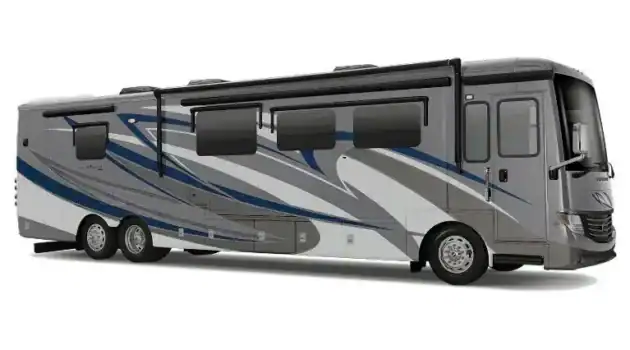
So all in all, Good Sam appears to offer a wider array of services and bonuses than Wholesale Warranties, but with the downside of seeming more nitpicky about contract terms.
Benefits:
- Plenty of information is available on the Good Sam website.
- A couple of interesting benefits are available.
- Deductibles per occurrence.
- Labor and part costs are included in the contract.
- Good Sam plans are backed by QBE Insurance, an A-rated insurer founded in 1886.
- Warranty plans are transferable.
- 100% refunds within the first 30 days and pro-rated refunds past 30 days.
- RVs can be repaired at any repair facility.
Disadvantages:
- Seems to be more nitpicky than Wholesale Warranties.
- Good Sam appears not to offer coach-only plans for motorhomes.
You can check out Sam’s here.
Wholesale Warranties

Wholesale Warranties appears to be the cheaper contract provider among the two, though you won’t know until consulting with them directly, since it will depend on your RV’s condition. In addition, RVers seem to be more satisfied with Wholesale Warranties than with Good Sam.
Wholesale Warranties offers 3 protection plans for RVs – motorhome warranties, travel trailer & 5th-wheel warranties, and pop-up camper warranties. Needless to say, one would need to go with the plan that corresponds to their RV.
Under the motorhome extended warranty, Wholesale Warranties covers a multitude of motorhome components. In fact, they claim they cover parts that other contract providers typically don’t, such as wiring or the radiator. Aside from that, this warranty plan also covers the RV engine and transmission.
The motorhome extended warranty, in its turn, comes in 3 packages:
- Exclusionary, which is the most comprehensive package.
- Comprehensive, which basically is a listed component RV warranty. This warranty offers limited coverage compared to the exclusionary package.
- Coach-only package that specifically excludes powertrain and engine components. This warranty is suitable for those whose RV’s mileage is ineligible for other motorhome plans.
The travel trailer & 5th-wheel warranty differs from the motorhome warranty in that it doesn’t cover engine components, since towable RVs don’t have engines. Wholesale Warranties offers two packages for its travel trailer & 5th-wheel plans: exclusionary and comprehensive.
The last warranty package covers pop-up campers. Unfortunately, Wholesale Warranties doesn’t provide much information about this package, so you will need to do some digging yourself.
And all in all, Wholesale Warranties’ website provides a bit less information about its plan coverage and requirements. Good Sam is better in this regard, though some things will still require consultation with the contract providers.
In addition, keep in mind that Wholesale Warranties service contracts aren’t available in California. If you live in California, you won’t be able to get an RV extended warranty from these guys.
All in all, the benefits and downsides of Wholesale Warranties services, as far as we could find out, are the following.
Benefits:
- Consistently positive online reviews.
- Deductibles per visit.
- Labor and parts are covered for approved repairs.
- Warranties covered by A-rated insurance carriers, as claimed by Wholesale Warranties.
- Warranty plans are transferable and cancellable.
- You can take your RV to any licensed repair facility in the US.
Disadvantages:
- Not so much information is available on the warranty plans on the company website.
- Plans aren’t available in California.
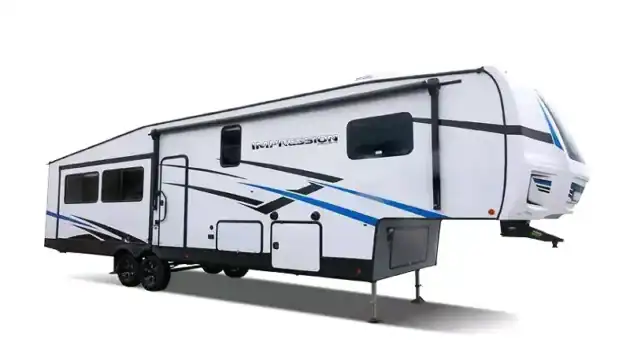 What is an extended warranty?
To avoid confusion, let’s first understand what an extended warranty is and how it differs from a traditional manufacturer’s warranty.
A warranty, in general, is a guarantee of a product’s integrity for a certain period of time. During the warranty period, the manufacturer is responsible for repairing or replacing covered defective parts.
A manufacturer’s warranty is issued by the manufacturer after a brand-new product is purchased. The cost of this kind of warranty is usually included in the product price.
An extended warranty provides coverage beyond the manufacturer’s warranty. In other words, an extended warranty is a kind of warranty you can buy after the manufacturer’s warranty has expired. This extended warranty may or may not be issued by the original manufacturer of a product.
Unlike manufacturer warranties, extended warranty providers charge a fee for their services. In return, they are obliged to cover the repair costs for components covered by the extended warranty.
RV extended warranty vs RV insurance
It may seem that an RV extended warranty and RV insurance are the same thing, but this isn’t quite right. In fact, they are the inverse of one another.
RV extended warranties are specifically designed to cover the repair costs of mechanical failures that have not been caused by physical damage. Conversely, RV insurance policies are designed to cover repair costs resulting from theft, collision, or physical damage.
Another difference between an extended warranty and insurance is that the cost of extended warranties across providers can vary significantly. RV insurance, on the other hand, is sold by many major providers, which means less price variance. In addition, insurance plans can often be bundled to save money.
Extended warranties can be purchased for a significantly longer period, possibly up to a decade for brand-new RVs. Insurance plans usually need to be renewed more often.
With that being said, the differences between RV extended warranties and insurance plans mean that you could complement one protection type with another. If you buy both an extended warranty and an insurance plan, you will be able to safeguard yourself from sudden costs incurred by both physical damage and mechanical breakdown. Of course, this will cost you more, but the protection level will be higher as well.
Why get an RV extended warranty?
RV extended warranties cost money, and quite a lot of money, mind you. So why would you even want to buy an extra protection plan for your RV? Here are a couple of reasons.
Peace of mind
The very first benefit that buyers of RV extended warranties seek is peace of mind. Surprise expenses in RVs can be costly. Without a warranty, there is always a risk that something in your RV could break unexpectedly. And the older your RV, the likelier it will be.
What’s worse is that you can never predict what or when it will go wrong, so you could possibly have to pay large sums for repairs at a time when your budget is not ready for it. With an RV extended warranty, you wouldn’t have to think about dealing with surprise costs.
Easier budgeting
RV repairs can be quite costly, often costing $300 per hour. And you would probably agree that it would be more efficient for you to pay for an extended warranty when you are ready than to deal with issues that could arise when you don’t have the budget to resolve them.
In addition, by paying a monthly fee for the extended warranty, you are effectively spreading repair costs over a longer period. And paying smaller amounts each month is certainly more budget-friendly than paying a one-time large sum for a costly repair.
Aside from that, the warranty can protect you from fluctuations in market prices. Under a contract, even if a repair facility doubles its prices, the administrator won’t be able to force you to pay more money. You will be obliged to pay the price indicated in the contract, and any price changes should not affect the amount you pay for your warranty.
Lastly, administrators don’t want to overpay for repair facility services. As a result, they will likely do their best to ensure the repair facilities aren’t overcharging for their services.
Better RV resale value
An RV covered by an extended warranty will be more attractive to potential buyers. In addition, you may be able to put a higher price on your RV, though exactly how much is beyond the scope of this material.
When should you not get an RV extended warranty?
There are also certain cases when you should not buy an extended RV warranty. Among them are the following:
- Your RV manufacturer’s warranty hasn’t expired. Needless to say, there is no point in buying an extended warranty if your RV is still covered by the manufacturer’s warranty, unless you are looking to cover parts not covered by the manufacturer’s warranty.
- You want to cover regular maintenance costs. RV extended warranties do not cover maintenance costs, such as replacing wiring, spark plugs, filters, and the like.
- You want to cover pre-existing conditions. A pre-existing condition is one that has occurred before the purchase of an RV extended warranty. Warranties do not cover such issues, which is reasonable.
- You want to get roadside assistance. Some contracts do provide roadside assistance, but it is usually quite limited. Specialized roadside assistance plans would be much better for this purpose.
Parties of an RV extended warranty contract
Now that we understand what an extended warranty generally is, let’s review the parties of an extended warranty contract.
Buyer
The buyer is obviously you, the owner of an RV, and the purchase of an extended warranty.
Seller/contract provider
The contract provider or seller is responsible for completing the extended warranty contract, calculating the contract fee, and collecting it from you. Contract providers can be manufacturers, dealers, or third-party extended warranty providers.
Administrator
The administrator is the party (usually a company) responsible for paying out warranty claims. Aside from that, the administrator decides which claims are covered by the warranty.
Administrators usually take the most significant portion of the contract fee and allocate it to a claim reserve, from which your possible future claims are going to be paid out.
Insurance company
The insurance company basically ensures that your claims are paid out, even if the administrator goes broke. It is very important that the administrator you are dealing with is insured. Otherwise, if it goes broke, you will have no legal options for receiving reimbursement.
Repair facility
The repair facility is the party (a contractor, an RV dealer, RV service center, etc.) that carries out the repair works. After completing the repairs, the repair facility submits the repair plan and its estimated costs to the administrator. The administrator then assesses whether the claim is covered under the contract and how much should be issued to you.
Things to consider in an RV extended warranty
Now, we want to talk about what you should pay attention to when searching for an extended warranty. An RV extended warranty is quite an investment, and you would probably want to see your money returned. Knowing what we describe below should help you pick a good deal.
Transparency
In our opinion, the most important thing to look for in an RV extended warranty provider is transparency. You should be able to find all the information about the contract provider, as well as the other parties of the contract. Otherwise, you will be buying a warranty without knowing everything you should know about.
Speaking of the warranty, it is crucial that the contract provider provides you with the full text of the warranty. If they do not, you will not be able to fully understand what is covered by the warranty and what is not.
Even though any contracted provider you come across will likely provide you with the warranty text, you should be wary of those who do not. Moreover, you should avoid such providers outright and look for a more transparent provider.
Coverage
It is crucial that you understand what exactly is covered by the extended warranty. Make sure to check which components the warranty specifically includes and excludes. This will allow you to avoid unpleasant surprises in the future.
Aside from that, check whether the administrator covers shipping costs and tax payments. These costs are usually not covered, but do make sure to inquire about this, so as not to come across any surprises in the future.
Types of RV extended warranty coverage
There are 4 types of extended warranty coverage you should know about: exclusionary, listed component, motorhome, and coach-only. Let’s review each of these coverage types.

Exclusionary contract
Most RVers prefer an exclusionary contract, even though it costs more than other types of coverage. There are several reasons for this.
This type of coverage includes all aspects of your RV, except those specifically excluded by the contract. With such a formulation, it is easier for people to understand what is actually covered by the extended warranty. If the contract doesn’t specifically state that a part isn’t covered, it is covered by the warranty.
Listed component contract
A listed component contract specifies the components of the RV covered by the extended warranty. Anything that is not on the list will not be covered.
A listed component contract is a cheaper option than an exclusionary contract. In addition, if there are certain things you would prefer to handle yourself, a listed component contract may offer better options.
RVers find it quite difficult to determine what is actually covered by this type of warranty and what is not. As a result, if their budget allows, people seek an exclusionary contract instead.
Motorhome contract
A motorhome extended warranty includes coverage of the motorhome’s powertrain and engine. With a regular extended warranty, these items wouldn’t be covered by the contract. Thus, if you have a motorhome that satisfies the contract provider’s requirements, go for a motorhome contract.
Coach-only contract
Coach-only contracts are motorhome plans that specifically exclude the powertrain and the engine assembly of an RV. You should go for a coach-only contract in two cases:
- Your motorhome’s engine is still covered by the manufacturer’s warranty.
- Your motorhome’s mileage makes it ineligible for powertrain & engine coverage.
Contract Insurance
You may have heard a couple of horror stories about administrators going bankrupt and contract buyers being unable to receive reimbursement. This can happen if the administrator of your RV extended warranty contract isn’t backed by an insurance company, or if the insurance company isn’t reliable and has a poor rating.
As a result, it is very important that you research which insurance company backs the administrator. Check its financial condition and look for its ratings. For the highest level of security, look for an administrator insured by an A-rated company.
Also, avoid administrators backed up by a risk retention group. Their activity isn’t as well-regulated as that of insurance companies, so it is a venture to work with an administrator backed by a risk retention group. A contract with such an administrator may be cheaper, but we think that peace of mind and reliability are far more important than price.
Service
It would also be nice if the contract provided you with assistance should any issues arise after purchasing an RV extended warranty. Unfortunately, contract providers very rarely provide post-purchase support to contract buyers. And if a dispute arises with your contract’s administrator, for example, you probably won’t be able to resolve it in your favor.
If you can find an extended warranty provider that will also serve as a mediator in disputes, you should go with a contract with them, even if it costs more than other, non-mediated contracts.
RV requirements
Contract providers usually have age requirements for your RV. In the case of motorhomes, they may also have mileage requirements. Some contract providers also place a limit on the purchase price of RVs. Since these vary by contract provider, you will need to check each provider’s policy yourself.
Claim payment
Pay special attention to how the administrator and the repair facility handle warranty claims. Ideally, the administrator should pay the repair facility directly, without you having to make any upfront payments and then seek reimbursement. You should avoid such administrators.
Likewise, avoid repair facilities that do not work with warranty companies directly; instead, demand that you pay out of pocket for the repair, then reimburse yourself for the amount you paid.
Such approaches would make the receipt of reimbursements inconvenient. If the administrator works directly with a repair facility, you won’t need to fill out any paperwork or waste time getting a reimbursement.
But if the administrator doesn’t work with repair facilities (or vice versa), it will be up to you to have your warranty claims paid. And if, for example, one of the parties refuses to work with the other, you will have a lot of headaches reimbursing your repair expenses.
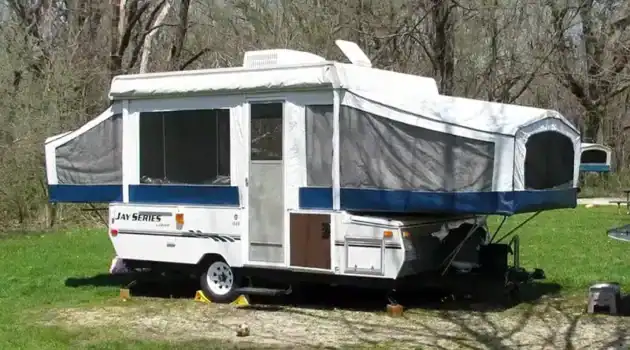
Payments to the repair facility
It would be excellent if the administrator paid for the repairs with a corporate credit card. If you pay by check, you may have to wait until the repair facility receives payment before you can get on the road.
Flexibility
Some extended warranty contracts require you to repair your RV at specific facilities or networks. This will limit where you can go for service, and if something goes wrong outside the required facilities, you will be unable to use the benefits of your warranty policy to cover your expenses.
So ideally, you should look for a contract that doesn’t restrict you to just a few repair facilities.
Transferability
It would be a good idea if your RV extended warranty were transferable. This would come in handy when selling your RV – if your extended warranty hasn’t expired, the remainder would be transferred to the new owner of the RV. A warranty on your RV would make it more attractive to buyers, allowing you to sell it quickly.
And if you don’t want to transfer the extended warranty to the new owner, check whether you can cancel the contract and get a refund.
Cancellation policy
Usually, contract providers offer a cancellation policy to encourage people to buy their contracts. With a cancellation policy, one can get a refund if they are not satisfied with the warranty services.
First, check the cancellation period. Is it within 30 days, 60 days, or more than 60 days? Is there a pro-rated refund based on the time left on the warranty? Are there any administrative costs associated with the refund that need to be covered by you?
Keep in mind that if the administrator has paid claims before the refund, the refund will likely be reduced by those claims. This is reasonable, so don’t be surprised if the cancellation policy requires this.
Deductibles
If you’ve ever dealt with insurance companies, you probably understand how a deductible works.
For those unfamiliar with this concept, a deductible is the amount you must pay out of pocket before the insurance company covers the expenses. For example, if the repair of your RV costs $400 and you need to pay a $50 deductible, you pay the $50 deductible, and then the administrator pays the remaining $350 to the repair facility.
Some extended warranties do imply deductibles, while others don’t. But it isn’t easy to say which type of warranty would be better, since other factors – like those mentioned above – are often more important when making a decision.
Deductibles can be per visitor per item. As a general rule, you should seek an extended warranty that requires you to pay a deductible for each visit.
As implied by the name, per-visit deductibles are paid for each visit, regardless of how many items in your RV are repaired or replaced. Conversely, you pay a per-item deductible for each item repaired, even if the repairs were done during a single visit.
Aside from type, it is also important to consider the deductible amount. Typically, the higher the deductible, the cheaper the policy is. And this could mean quite significant savings for you in the long term.
Inspection policy
Administrators usually require an inspection of an RV before the conclusion of a contract. A pre-purchase inspection is conducted to identify any pre-existing conditions or issues that occurred before the contract was purchased. As you would expect, pre-existing conditions are not covered by the warranty.
Even if the administrator doesn’t perform an inspection, should you file a claim for a pre-existing condition, they will be able to determine that it has occurred before the purchase of the contract.
As a result, your claim will be denied, and you will lose precious time that you would otherwise spend addressing the issue. In addition, your credibility in the administrator’s eyes may decrease.
To safeguard yourself against similar issues, you may want to choose a contract that allows an RV inspection.

Benefits
Extended warranties sometimes offer additional benefits, such as roadside assistance, lodging reimbursements, emergency repair provisions, and more. These benefits can come in handy in an emergency. But keep in mind that they often have low dollar limits.
Tips to follow when buying an RV extended warranty
Now, we’d like to give you a couple of tips to follow when buying an RV extended warranty. They should allow you to get the most out of your deal, as well as avoid unpleasant surprises and disappointments in the future.
Understand the terms of your contract
Reading through dozens of pages in an extended warranty contract may be exhausting, but it is something that you absolutely must do.
If there is someone you could entrust with reviewing the contract, ask them to explain its clauses to you. If you know no one with expertise in this field or if hiring a professional is too expensive for you, read over the contract slowly until you understand it fully.
If you do not understand its provisions, ask the contract provider to explain them. Of course, you will need to keep in mind the conflict of interest – the contract provider will want to sell the contract no matter what, while you will want to get the best deal possible. However, a good contract provider will do their best to help you understand the ins and outs of the warranty contract.
Understand what is covered by the warranty
This is an area that very often causes a lot of confusion. The contract may explicitly state what is covered and what is not, but people still sometimes overestimate their warranty coverage and are surprised by a reasonable claim rejection.
Do keep in mind that many things that should be routinely replaced by you are usually not covered by the base contracts. Among these things are tires, wheels, lights, mirrors, batteries, and other similar items that require replacement from time to time.
Cosmetic items like paint, as well as general maintenance items, aren’t covered. The contract provider may offer additional coverage options, but don’t expect them to make your warranty comprehensive – no extended RV warranty will cover every expense.
Also, be aware that there is a thing called consequential damage. This term refers to the damage that has been caused by a non-covered part to a covered part. Many RV extended warranties do not cover consequential damage, so be mindful of that. However, the contract provider may also offer an option to cover consequential damages.
Lastly, if you are not sure whether an item is covered or excluded, ask the contract provider.
Let the administrator inspect your RV
You should also let the administrator inspect your RV if they want it. In fact, you should seek to have your RV inspected for a couple of reasons.
First, if no pre-existing conditions are found during the inspection, the risk of a claim denial due to a pre-existing condition is lower.
Secondly, as we’ve discussed above, RV inspection allows you to save time on claim denial on a pre-existing condition. Even without an initial inspection, the administrator could determine whether a problem occurred before the contract was concluded. This will cost you time and may decrease your credibility, forcing the administrator to review your subsequent claims with extra scrutiny.
Lastly, the administrator may discover an issue you were unaware of. This is possibly the biggest benefit of an RV inspection, as it allows you to address problems in your RV and avoid consequential damage. And you can be sure that consequential damage caused by a pre-existing condition will not be covered, no matter the contract.
Realize that the administrator will want to avoid paying out claims
Extended warranty providers do business, and you need to realize that the contract administrator will seek to avoid paying out claims whenever possible. In fact, they won’t do this by breaking the contract – on the contrary, they will use the uncertainties and ambiguous points in the contract against you.
And without a good lawyer, there is pretty much nothing you can do about it. Your only choice is to trust the administrator’s honesty. This actually is an issue far beyond RV extended warranties, but you should still know about it.
This is why you should carefully read and understand absolutely everything in the warranty contract. Especially pay attention to the fine print. However, you should understand that you may be unable to spot ambiguity and uncertainty in the contract unless you are an experienced lawyer. Due to this, if you can, seek professional assistance with signing your RV extended warranty contract.
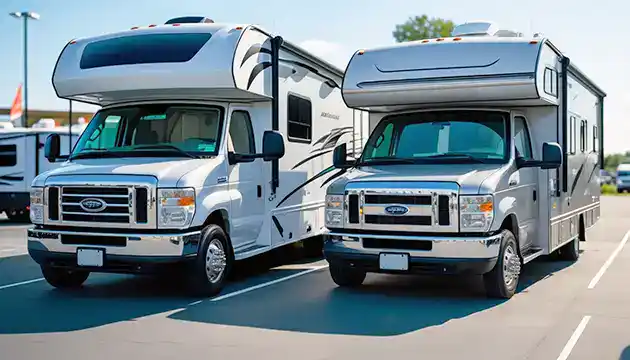
Get an extended warranty on your RV as soon as possible
If you plan to get an extended warranty for your RV, do so as soon as possible. If you didn’t know, the price of an extended RV warranty is evaluated on a case-by-case basis. And the condition of your RV will play a huge role in the price formation process.
The older your RV, the likelier it is that something in it will fail. Consequently, your RV poses a higher risk for the administrator since they will likely have to cover mechanical failures more often. As a result, the price of extended warranties for older RVs is higher.
This doesn’t mean you should rush into a decision and buy an extended warranty today. You need to carefully consider its benefits and disadvantages.
In addition, if your RV is still covered by the manufacturer’s warranty, there is no point in purchasing an RV extended warranty, unless you are looking to cover some specific components that aren’t covered by the manufacturer’s warranty.
An extended RV warranty is an absolute must-have if you’re considering traveling full-time in your RV.
Final Thoughts
Hopefully, our content has given you a full picture of extended warranties. Extended warranties have risks, but their benefits may actually outweigh these risks for you.
The good old self-insurance is still a thing, and for some people, it is going to be a much more feasible option than buying an extended warranty. But if you find you need the benefits of an RV extended warranty, you might want to give it a try.
Home page
Back to the top of the page