

Thank you for reading our post, please rate this article at the end.
Reading Time: 8 minutesLast Updated on July 1, 2026 by Paul Clayton
Table of Contents
RV Industry Outlook 2026
Market Shifts, Rising Production Costs, and the Next Wave of RV Travel
The RV industry enters 2026 looking much more “normal” than it did during the pandemic surge, but normal doesn’t mean simple. Buyers are more price-sensitive, dealers are more careful with inventory, and manufacturers are trying to protect margins while still upgrading rigs with better power systems, lighter materials, and more innovative tech.
At the same time, production costs are under a microscope. Tariffs, labor constraints, compliance costs, and component pricing all affect the sticker price. The big story of 2026 isn’t that RVs are disappearing or demand is collapsing; it’s that the whole market is maturing. Every player must compete more aggressively on value, quality, and efficiency.
Key Takeaways for 2026
-
- Shipments are projected to rise modestly in 2026, with a median forecast around 349,300 units.
Source: https://www.rvia.org/rv-roadsigns-quarterly-forecast - Used RV values have reset closer to pre-pandemic levels, strengthening value-driven shopping.
Source: https://www.bishs.com/blog/rv-industry-2026-used-rv-values-reset-new-tech-new-brands-and-big-buyer-shifts/ - Tariffs, labor dynamics, component complexity, and quality oversight pressure production costs.
Sources: https://www.rvia.org/news-insights/us-announces-25-tariffs-all-steel-and-aluminum-imports-updated-50-tariff
https://rv-pro.com/news/section-232-tariffs-expanded-to-include-rv-related-products/
https://www.reuters.com/markets/commodities/trumps-expanded-metals-tariffs-hit-goods-horseshoes-bulldozer-blades-2025-03-11/ - Tech and power packages (lithium/solar/inverter) are a key battleground in new models.
- Recall awareness is rising, and buyers are using NHTSA tools in their purchase research.
Source: https://www.nhtsa.gov/recalls
- Shipments are projected to rise modestly in 2026, with a median forecast around 349,300 units.
New vs. used RVs
Frequently Asked Questions
1. Is the RV industry expected to grow in 2026?
Yes—most industry forecasts point to modest growth rather than a boom. RVIA’s RV RoadSigns outlook projects 2026 wholesale shipments in a range of roughly 332,000 to 366,000 units, suggesting a slight increase compared to 2025.
Source: https://www.rvia.org/rv-roadsigns-quarterly-forecast
2. Are used RV prices still falling in 2026?
In many regions, yes. Used RV values have largely reset closer to pre-pandemic levels, which is good news for buyers but tougher for sellers and dealers trying to hold margins. The market is more price-sensitive now, especially for older, heavier rigs.
Source: https://www.bishs.com/blog/rv-industry-2026-used-rv-values-reset-new-tech-new-brands-and-big-buyer-shifts/
3. Why are new RVs so expensive in 2026?
Production costs remain elevated due to a mix of labor, higher electronics and power systems (lithium, solar, inverters), and policy-driven cost pressures such as tariffs on metals and components. Even when supply chains stabilize, modern RVs are built with more high-cost systems than they were 5–10 years ago.
Source: https://www.rvia.org/news-insights/us-announces-25-tariffs-all-steel-and-aluminum-imports-updated-50-tariff
4. What RV features are becoming standard in 2026 models?
Many 2026 rigs now come solar-prepped by default, and more are offering factory lithium battery packages, larger inverters, smart-control apps, and upgraded insulation. Buyers are also demanding lighter builds and improved towing efficiency, which is driving increased use of composite construction and streamlined floor plans.
Source: https://www.winnebagoind.com
Source: https://www.thorindustries.com
5. How do I check if an RV has a recall before I buy it?
Use the NHTSA recall database. You can search by VIN to view open recalls and confirm whether repairs have been completed. This is one of the smartest steps you can take before buying used (and even new).
Source: https://www.nhtsa.gov/recalls
Market Overview & Sales Trends in 2026
Wholesale shipments: steady with modest growth expectations
The RV Industry Association (RVIA) and its RV RoadSigns forecast (prepared with ITR Economics) projects 2026 RV wholesale shipments in a range of 332,100 to 366,000 units, with a median of 349,300 — a 2.8% increase over the expected 2025 total.
Source: https://www.rvia.org/rv-roadsigns-quarterly-forecast
Source: https://www.rvia.org/news-insights/rv-market-expected-trend-upward-2026
That forecast matters because wholesale shipments are the clearest “pulse” of manufacturer-to-dealer activity. In plain English: RV makers expect 2026 to be slightly better than 2025, but not a rocket ship.
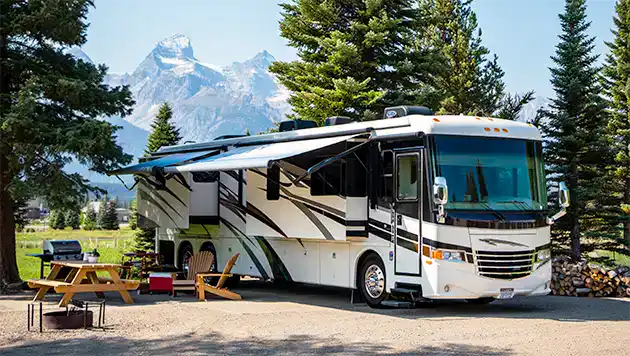
New vs. used: value-first buyers reshape the mix
In 2026, used RVs stay elevated because buyers want:
-
lower payments
-
immediate availability
-
more negotiating power
-
less depreciation risk
At the dealer-to-dealer level, multiple market watchers have noted that wholesale used RV values have reset to near pre-pandemic (early 2020) levels, marking a significant shift from the inflated 2021–2022 pricing era.
Source: https://www.bishs.com/blog/rv-industry-2026-used-rv-values-reset-new-tech-new-brands-and-big-buyer-shifts/
That reset is a big deal for:
-
buyers (better pricing, more choices)
-
dealers (tougher margins on trades, more careful stocking)
-
manufacturers (more pressure to justify new RV pricing with features and warranties)
Seasonal demand patterns: still predictable, but smarter shopping
The classic RV sales calendar still applies:
-
Spring: peak shopping + new model rollouts
-
Summer: travel + rental demand surges
-
Fall: discounts, dealer “clear-out” season
-
Winter: slower foot traffic, best negotiation windows
What’s changed in 2026 is the behavior inside those seasons:
-
Buyers do more research online before ever stepping on a lot
-
Deal-hunting starts earlier (late summer into fall)
-
Towables stay stronger than motorhomes because of affordability and easier ownership
Consumer Behavior: Who’s Buying RVs in 2026 and Why
Demographics: younger owners are not a “trend” anymore
Younger buyers are now a permanent part of RV demand. KOA’s reporting on camping trends has consistently shown strong participation among under-45 campers and first-time campers.
Source: https://koa.com/north-american-camping-report/
In 2026, you’ll see three buyer groups show up again and again:
1) Younger families and first-time buyers
They want:
-
small-to-mid travel trailers
-
bunkhouse layouts
-
lower tow requirements
-
easier financing
2) Remote workers and digital nomads
They prioritize:
-
reliable power (lithium + solar + inverter)
-
workspace layouts
-
cellular boosters + satellite internet
-
extended-stay campground access
3) Retirees and “downsizers”
Still huge in the market, but increasingly selective:
-
more demand for simpler rigs
-
less tolerance for repair headaches
-
more focus on dealership service reputation and warranty clarity

Economic factors: the monthly payment matters more than ever
In 2026, buyers react strongly to:
-
interest rates (payment shock on financed purchases)
-
fuel costs (push toward lighter towables and efficient travel planning)
-
insurance and storage costs (ownership “hidden costs” are now widely discussed online)
This is why specific segments tend to outperform:
-
lightweight travel trailers
-
smaller fifth wheels
-
compact motorhomes with better MPG
-
“pre-owned but upgraded” rigs (used RV + new lithium/solar upgrades)
Manufacturing & Supply Chain Updates:
The biggest 2026 story: production cost pressure
In 2026, RV makers aren’t just managing “what buyers want.” They’re managing the cost of building an RV.
The biggest production cost drivers in 2026 include:
1) Metal tariffs and steel/aluminum exposure
RVs use steel and aluminum everywhere: frames, chassis components, structural parts, exterior materials, and hardware. Tariff changes and expansions have been a recurring concern for the RV manufacturing industry.
-
RVIA has posted updates on U.S. tariff changes affecting steel and aluminum imports, including shifts that raise costs across metal-dependent industries.
Source: https://www.rvia.org/news-insights/us-announces-25-tariffs-all-steel-and-aluminum-imports-updated-50-tariff -
Reuters has reported on expanded tariffs on expanded metals and broader coverage of derivative products, which can raise input prices across supply chains.
Source: https://www.reuters.com/business/trump-says-he-plans-double-steel-tariffs-50-2025-05-30/
Source: https://www.reuters.com/markets/commodities/trumps-expanded-metals-tariffs-hit-goods-horseshoes-bulldozer-blades-2025-03-11/ -
RV PRO has reported on tariff expansion affecting RV-related product categories (including camping trailers under specific HTS codes), underscoring the need for manufacturers to track trade policy closely.
Source: https://rv-pro.com/news/section-232-tariffs-expanded-to-include-rv-related-products/
Why this matters in 2026:
Even if your “base” steel cost is stable, tariffs can raise pricing unpredictably, and RV manufacturers either absorb it (margin hit) or pass it on (higher MSRPs).
2) Labor costs, staffing, and production efficiency
The RV industry is heavily concentrated in the Midwest (especially Indiana). Over the last few years, RV builders have experienced cycles of hiring, layoffs, and retraining, which increase per-unit labor costs as production volume fluctuates.
Public reporting has described the RV sector as in an “adjustment” period, with manufacturers closely monitoring production levels and workforce needs.
Source: https://indianapublicradio.org/news/2025/08/analyst-focus-on-american-manufacturing-good-for-elkhart-rv-industry/
In 2026, labor costs show up as:
-
higher wages to attract skilled workers
-
training costs for new hires
-
productivity losses during model transitions
-
overtime costs spike when factories push to meet dealer orders
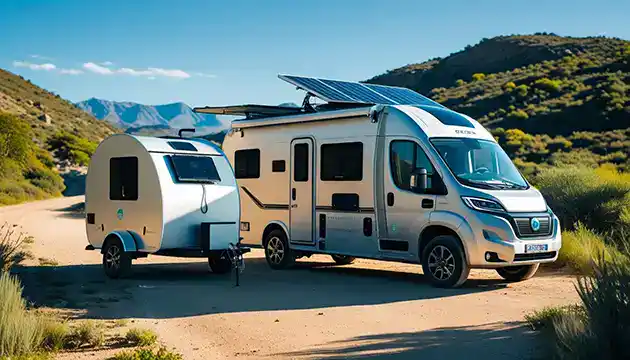
3) Components: appliances, electronics, and “feature inflation”
Modern RVs include more high-cost components than older rigs:
-
inverter/charger systems
-
lithium batteries
-
solar controllers
-
touchscreen panels
-
upgraded HVAC and refrigeration
These aren’t cheap, and they increase warranty exposure (because electronics failures create customer-service load). In 2026, manufacturers are trying to standardize components across product lines to reduce complexity, but buyers are also expecting more tech as “normal.”
4) Compliance and quality control
Quality has become a competitive battleground. More oversight and better QC raise costs up front, but reduce warranty and reputational damage later.
NHTSA provides recall tracking for vehicles and equipment, and RV owners are increasingly trained to search recalls as part of purchase research.
Source: https://www.nhtsa.gov/recalls
RVBusiness frequently summarizes RV recall activity (examples include label/weight issues and other compliance items), showing how often “small” problems can trigger formal campaigns.
Source: https://rvbusiness.com/nhtsa-releases-its-most-recent-installment-of-rv-recalls-112/
In 2026, quality costs aren’t optional.
Social media, forums, and review culture mean problems scale faster than ever.
Manufacturer strategy in 2026: build value, protect margins
Big manufacturers like Thor, Winnebago, and Forest River are all adjusting strategies:
-
more standardized platforms
-
more “packages” (off-grid package, cold-weather package, etc.)
-
tighter dealer networks and controlled inventory flow
-
better integration of lithium/solar offerings from the factory
Sources:
https://www.thorindustries.com
https://www.winnebagoind.com
https://www.forestriverinc.com
Technology & Innovation: What’s Actually New in 2026
Smart RV tech becomes mainstream
In 2026, buyers increasingly expect:
-
app-controlled systems (lights, HVAC, tank monitoring)
-
digital energy dashboards
-
backup cameras and better visibility packages
-
improved leveling assistance
Lithium + solar + inverter packages go “default”
Factory “power suites” are one of the most meaningful upgrades in modern RV history. They reduce reliance on generators and make weekend boondocking much easier. In 2026, power packages are expanding beyond premium models into midrange units.
Lightweight builds and more efficient towing
Manufacturers are pushing:
-
composite panels
-
better insulation-to-weight ratios
-
improved aerodynamics
-
simplified layouts that reduce material use without feeling “cheap”
This is partly innovation and partly cost control.
EV tow vehicles: growing interest, real-world limitations
EV trucks and SUVs are influencing trailer design and buyer expectations, but towing range remains a constraint. That’s why you’re seeing:
-
more aerodynamic trailer shapes
-
lighter dry weights
-
energy-efficient appliances
For broader EV and towing discussions, mainstream automotive outlets continue to track the segment’s progress.
Source: https://www.autoweek.com
Source: https://www.motortrend.com
Regulations & Safety: Recalls, Lawsuits, and Policy Signals
Recalls remain part of the landscape
Recalls in the RV space often involve:
-
incorrect labels/weights
-
hardware issues (rails, steps, door components)
-
electrical faults
-
propane-related components
The most practical guidance for RV shoppers is simple: check NHTSA before purchase and confirm fixes were performed.
Source: https://www.nhtsa.gov/recalls
Trade policy continues to shape production decisions
Tariffs affect metals, parts, and sometimes RV-category goods — meaning 2026 cost forecasting has more “unknowns” than it used to. RVIA continues to post tariff updates as policies change.
Source: https://www.rvia.org/news-insights/latest-tariff-developments
Travel & Lifestyle Impact: Where RVers Are Going in 2026
Demand shifts toward “reservation strategy”
Post-pandemic, popular destinations remain popular — but the behavior has changed:
-
more pre-planning
-
more midweek travel
-
more long-term stays for remote workers
-
more demand for upgraded campground infrastructure (Wi-Fi, hookups, laundry)
Rentals stay strong as a “try before you buy” pipeline
Peer-to-peer rentals and dealership rentals feed the buyer funnel. People rent, learn what they hate, then buy smarter. That behavior supports used sales and smaller towables.
Connectivity is now a core RV feature
Satellite internet has become a deciding factor for full-timers and hybrid workers, reshaping which RV layouts and campgrounds are considered “livable.”
Expert & Consumer Voices: What People Are Actually Saying
From the industry side, RVIA forecasts indicate a modest upward trajectory through 2026, rather than a crash, signaling continued demand for RV travel as a lifestyle.
Source: https://www.rvia.org/news-insights/rv-market-expected-trend-upward-2026
From shoppers and owners: The loudest 2026 themes are:
-
“I want something reliable, not fancy.”
-
“I’m buying used and upgrading the power system myself.”
-
“Show me real weights, not brochure hype.”
-
“Service department reputation matters more than floorplan.”
That mindset is pressuring manufacturers to improve transparency and dealers to compete on service quality.
Forward-Looking Insights: Where the RV Industry Is Headed (2026–2027)
Over the next 12–24 months, the winners will likely be the brands and dealers that can do three things well:
1) Keep prices credible
Used values resetting closer to pre-2020 levels creates a reality check for new RV pricing.
Source: https://www.bishs.com/blog/rv-industry-2026-used-rv-values-reset-new-tech-new-brands-and-big-buyer-shifts/
2) Control production costs without cutting corners
In 2026, cost increases aren’t just “materials.” They’re tariffs, labor volatility, compliance, warranty risk, and feature complexity. Expect more platform standardization and fewer “random” one-off options.
3) Build around power + connectivity
Lithium, solar, and integrated intelligent systems will continue to move from “nice upgrade” to “expected baseline.”